Travel packing advice is full of received wisdom passed down like gospel: roll your clothes to save space, wear your heaviest shoes on the plane, put liquids in a clear bag. But what if one of the most fundamental packing hacks doesn't actually work?
"Why roll your clothes instead of laying them flat?" asks a confused traveler on r/onebag. "Seems like when I roll clothes up. It doesn't make more room than when I lay them flat. Am I wrong? I just wanna get the most in my one bag."
The question sparked 33 comments of vigorous debate, revealing that the one-bag travel community is surprisingly divided on whether rolling actually saves space—or if it's a myth that persists because everyone says it works.
The case for rolling
Several commenters swear by rolling for space efficiency. "Rolling definitely saves space for me," one writes. "You can fit rolled items into gaps and corners that flat-packed items can't reach. It's about efficient use of three-dimensional space."
Another points out compression benefits: "When you roll tight, you're compressing the fabric. That removes air pockets that exist when items are folded. The tighter the roll, the more space you save."
Some note that rolling works better for certain items. T-shirts, lightweight pants, and synthetic fabrics compress well when rolled. Thicker items like jeans or sweaters don't gain much benefit and might actually take up more space rolled.
One experienced traveler explains their hybrid approach: "I roll t-shirts and underwear because they pack into small spaces. I fold jeans and button-up shirts flat because they're bulkier and folding maintains shape better."
The case against rolling
Other commenters argue that rolling doesn't save space—it just feels like it does because rolled items are easier to arrange and visualize in your bag.
"It's a myth," one writes bluntly. "The volume of fabric doesn't change whether it's rolled or flat. You're just rearranging the same amount of material. The benefit of rolling is organization, not space savings."
Another agrees: "I've tested this repeatedly. Rolled versus flat-folded, I can fit the same number of items in my bag either way. Rolling makes things easier to find and keeps them less wrinkled, but it doesn't magically create more space."
Several people noted that packing cubes—whether you roll or fold inside them—make more difference than the rolling itself. The cubes compress and organize, which is what actually saves space.
What the physics says
Strictly speaking, the "rolling doesn't save space" camp has physics on their side. A t-shirt occupies a certain volume of fabric. Whether you roll it, fold it, or crumple it, the fabric volume remains the same. You're just changing the shape.
However, the "rolling saves space" camp has practical experience on their side. In real-world packing, space isn't just about total volume—it's about how efficiently you can arrange items in an irregularly shaped bag.
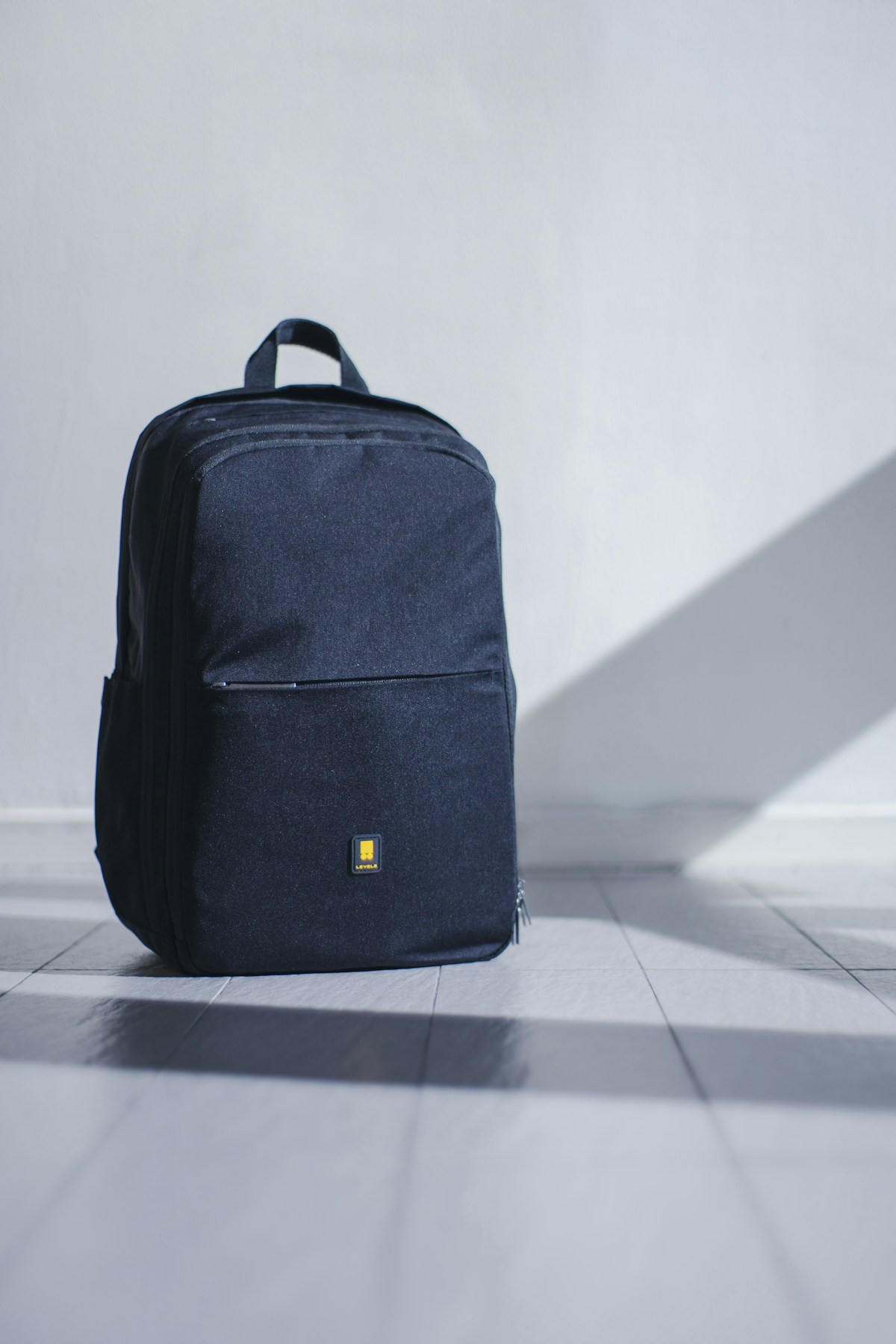
A backpack isn't a perfect rectangular box. It has curved areas, corner spaces, and gaps around larger items. Rolled clothes are cylindrical and flexible, making them easier to tuck into these odd spaces. Flat-folded items are rectangular and rigid, which can leave unusable gaps.
So both sides are right, depending on how you define "saving space." Rolling doesn't reduce the volume of fabric, but it does help you use your bag's available space more efficiently.
What actually matters
Several experienced one-bag travelers cut through the debate with practical advice:
"Compression matters more than method." Whether you roll or fold, squeezing air out is what saves space. Packing cubes with compression zippers beat rolling alone.
"Fabric type determines efficiency." Thin, synthetic fabrics compress well rolled. Thick, structured items don't benefit much.
"Organization is rolling's real benefit." Rolled items are easier to see and access without unpacking everything. This isn't trivial—it's one of the main reasons one-bag travelers prefer rolling.
"Wrinkles matter depending on trip type." Rolling can reduce wrinkles in some fabrics but create them in others. If you need wrinkle-free clothes, flat folding with tissue paper works better. If you're backpacking and everything will be wrinkled anyway, roll for convenience.
The real packing hacks
Buried in the comments are packing strategies that actually do save space:
Wear your bulkiest items on the plane. Boots, heavy jacket, thick sweater—wear them during travel even if you're uncomfortably warm.
Use stuff sacks for compression. Especially for puffy jackets and sleeping bags if you're carrying them.
Pack heavy items closest to your back. This doesn't save space but makes the bag more comfortable to carry.
Eliminate "just in case" items ruthlessly. The biggest space saver is bringing less.
Buy consumables at your destination. Toiletries, laundry soap, even some clothing can be purchased upon arrival.
The conclusion
Does rolling save space? Yes, no, and it depends.
Rolling doesn't change the volume of your clothes, but it helps you arrange them more efficiently in a real backpack. It also keeps things organized and reduces some types of wrinkles. Whether those benefits equal "saving space" depends on your bag's shape, what you're packing, and how you define efficiency.
The bigger truth: travelers spend enormous energy optimizing packing methods when the real solution is simpler—bring less stuff. A half-full bag packed any method fits everything. A bag stuffed to bursting won't close properly whether you rolled or folded.
The packing method that saves the most space? Eliminating items you don't actually need.
The best travel isn't about the destination—it's about what you learn along the way. Including learning that the packing method matters less than the packing list.