A baby has been found dead at a homeless encampment in Wagga Wagga, New South Wales, in a tragedy that has thrown the country's escalating housing crisis into stark relief.
The infant was discovered at the beach encampment, according to The Guardian. The baby's mother and another infant were taken to hospital. Police are investigating the circumstances.
Mate, this is what a housing crisis looks like when you strip away the policy jargon and economic models. It's a baby dead in a tent because there was nowhere else to go.
Australia's housing shortage has been building for years. Tight rental markets, soaring property prices, stagnant wage growth, and insufficient social housing have created a perfect storm. People who would once have been housed are now sleeping rough—in cars, in tents, in places no one should have to live.
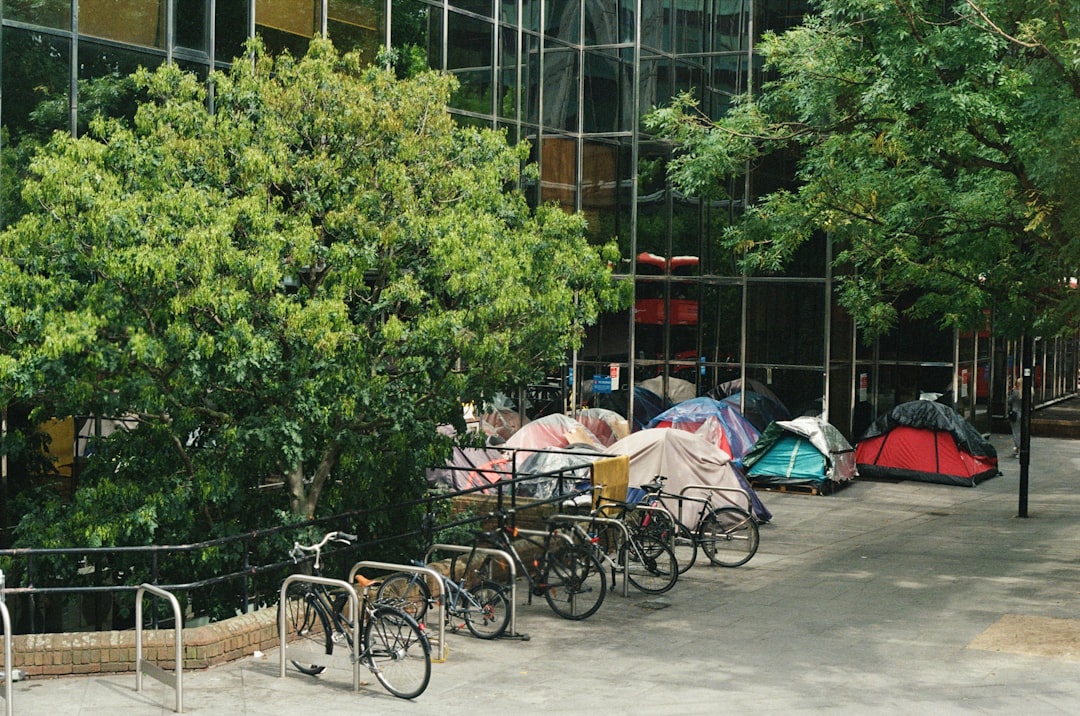
Homeless encampments have become a fixture in regional cities and urban centers alike. Local councils struggle to respond, caught between public health concerns, residents' complaints, and the reality that there are simply not enough beds in shelters or affordable homes to offer alternatives.
For families with young children, the situation is particularly dire. Emergency accommodation is scarce, waitlists for social housing stretch for years, and private rentals are increasingly out of reach. When the system fails, people end up in cars or tents. And sometimes, tragedies happen.
The political response has been inadequate. Both major parties acknowledge the housing crisis, but solutions require massive public investment and political courage to override local opposition to new housing. So far, that courage has been in short supply.
This baby's death won't be the last tragedy if things don't change. The housing crisis is not an abstract policy problem. It's a humanitarian disaster playing out in slow motion across the country.