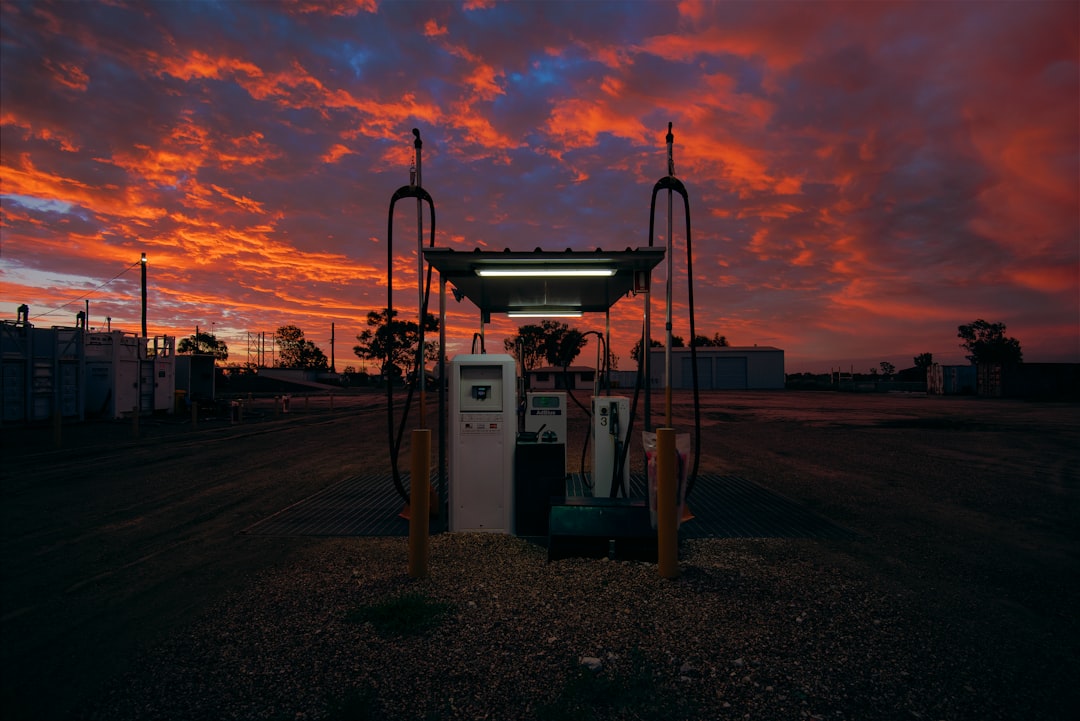
Australia has secured fuel shipments "well into" May, Energy Minister Chris Bowen announced, as the Middle East war continues to strain global oil markets and expose the nation's strategic vulnerability.
The number of service stations out of diesel and petrol fell over the Easter weekend, which Bowen said was encouraging. But Prime Minister Anthony Albanese has warned Australians that the coming months "may not be easy" as the global oil crisis continues to drive up fuel demand and prices domestically.
Mate, this is what happens when you rely on imports and maintain only 28 days of reserves.
Australia's strategic fuel security has been a known vulnerability for decades. The nation imports the vast majority of its petroleum products, and its fuel reserves sit well below the International Energy Agency's recommended 90-day minimum. When global supply chains break down - whether from geopolitical conflict, natural disasters, or shipping disruptions - Australia feels it immediately.
The current crisis traces directly to escalating conflict in the Middle East, which has disrupted shipping routes and tightened global oil supplies. The Strait of Hormuz, through which about 21% of global petroleum passes, remains a flashpoint. Insurance costs for tankers have soared, and some shipping companies are avoiding the region entirely, opting for longer routes around Africa.
For Australia, the geographic reality is stark. Fuel shipments from Asia and the Middle East must traverse some of the world's most congested and vulnerable sea lanes. The Malacca Strait, the South China Sea, and the approaches to - all are potential choke points in a region increasingly marked by great power competition between and the .