The ABC examines four myths around Australia's current fuel crisis, according to their reporting, revealing the reality of supply chain vulnerabilities as Middle East conflicts disrupt global energy markets and expose Australia's limited domestic fuel security.
Australia's fuel dependence is a strategic vulnerability that's been ignored for decades. This matters for Pacific security too—if Australia can't fuel its own defense forces in a crisis, how credible is AUKUS or our Pacific security guarantees?
The ABC's analysis tackles common misconceptions about Australia's fuel situation. Myth one: Australia has plenty of fuel reserves. Reality: Australia imports the vast majority of its refined fuel and has minimal strategic reserves compared to other developed nations. The claimed 90-day fuel security includes fuel in transit on ships—not exactly accessible in a crisis.
Myth two: Australia can quickly restart its refineries if needed. Reality: The remaining refineries operate at limited capacity, and closed refineries can't be easily restarted. It takes years and billions in investment to restore refining capacity. Several major refineries have been permanently closed and converted to import terminals.
Myth three: Fuel prices are only about Middle East conflicts. Reality: While the Iran war is pushing prices higher, Australia's fuel costs are also driven by currency fluctuations, limited refining competition, and fuel tax policies. The weak Australian dollar makes imported fuel more expensive regardless of global oil prices.
Myth four: The government can quickly fix fuel supply problems. Reality: Fuel security requires long-term strategic planning, not emergency measures. Building refining capacity, establishing strategic reserves, and developing alternative energy sources takes years of sustained investment and policy commitment.
Mate, here's the uncomfortable truth: Australia is a major energy exporter—coal, gas, uranium—but imports most of its liquid fuel. That's a strategic absurdity that's gone unaddressed because fixing it requires difficult decisions and significant spending.
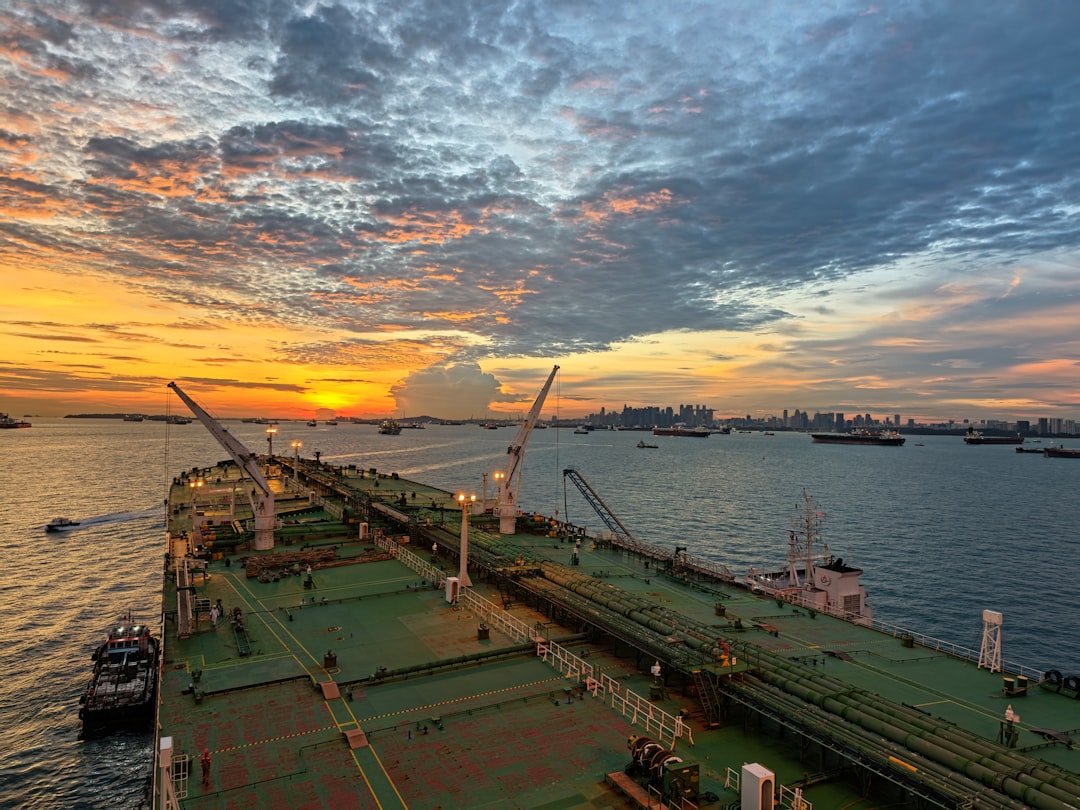
The closure of Australia's refineries over the past two decades was driven by economic logic—importing refined fuel from mega-refineries in Asia was cheaper than running smaller, older domestic refineries. But economic efficiency doesn't equal strategic security. Australia now depends on fuel supply chains that run through the South China Sea and Malacca Strait—potential conflict zones.
For the Australian Defence Force, this is a critical vulnerability. Modern military operations consume enormous amounts of fuel. Naval vessels, aircraft, and ground vehicles all depend on reliable fuel supply. If a conflict disrupted Australia's fuel imports, the ADF's operational capacity would be severely limited.
This has obvious implications for Australia's Pacific security commitments. Canberra positions itself as the Pacific's security partner of choice, pointing to AUKUS, defense cooperation agreements, and military aid. But if Australia can't guarantee its own fuel security, how credible are its defense guarantees to Pacific Island nations?
China, meanwhile, has been building strategic petroleum reserves for years and investing heavily in energy security infrastructure. Beijing understands that energy independence is fundamental to strategic autonomy. Australia talks about strategic competition with China in the Pacific while maintaining critical dependence on fuel imports that could be disrupted in a regional crisis.
The current fuel price spike driven by Middle East conflicts is a warning shot. If Australia struggles with fuel costs during peacetime disruptions, what happens during actual conflict? The government has announced plans to increase onshore fuel storage and investigate options for strategic reserves, but these are slow-moving initiatives that won't address current vulnerabilities.
There's also an economic dimension. High fuel costs hit Australian businesses and households hard, feeding inflation and reducing discretionary spending. For regional Australia, where distances are vast and alternatives to vehicles are limited, fuel costs are a direct hit to living standards.
The ABC's myth-busting analysis is a public service, but the harder question is what Australia does about its fuel vulnerability. Rebuilding refining capacity is expensive and may not be economically viable. Building strategic reserves costs billions. Accelerating the transition to electric vehicles and alternative fuels requires massive infrastructure investment.
These are choices that require long-term commitment across multiple governments. Australia hasn't shown much appetite for that kind of strategic planning on energy security. Until it does, fuel crises driven by distant conflicts will remain a recurring vulnerability—one that undermines both economic stability and strategic credibility in the Pacific.