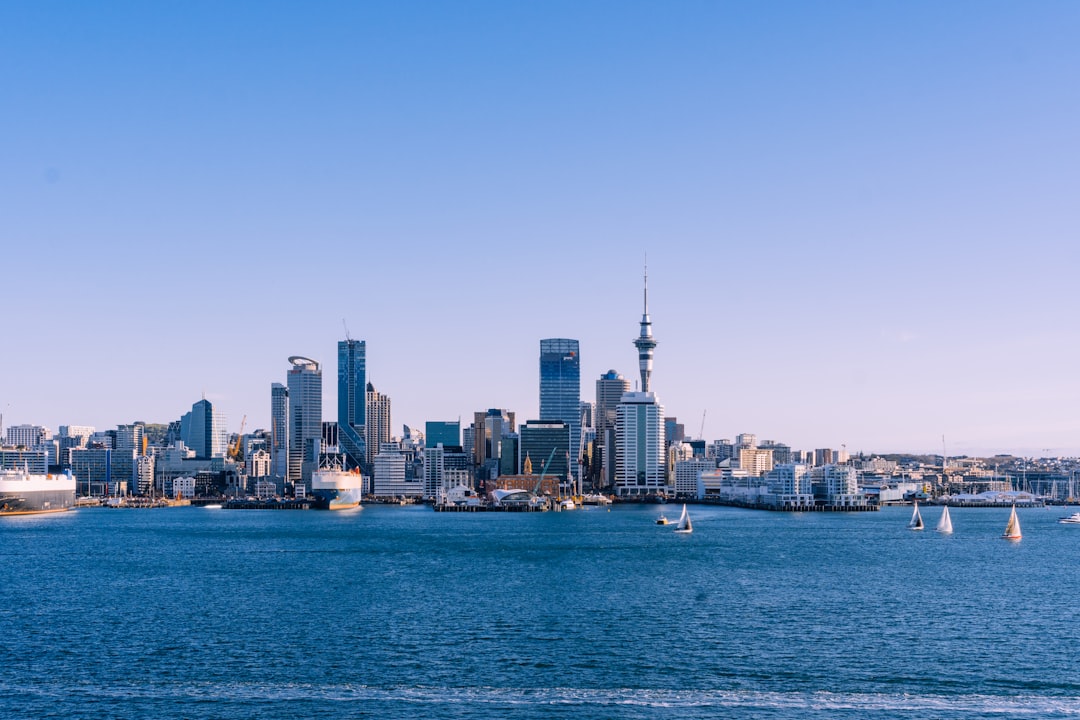
Auckland Mayor Wayne Brown referred to a Radio New Zealand staffer as "a Muslim terrorist" in comments that have drawn widespread condemnation from political leaders, community groups, and journalists, RNZ reports.
The mayor of New Zealand's largest city made the remark during a conversation about media coverage. Brown has a history of inflammatory comments, but this crosses a new line—blatant Islamophobia directed at a journalist doing their job.
Mate, this isn't just offensive. It's dangerous. In an era of rising hate crimes and anti-Muslim sentiment, a mayor using this language normalizes bigotry and puts people at risk.
Brown, a former engineer and local body politician, was elected Auckland mayor in 2022 on a platform of cutting spending and taking a harder line on issues like transport and infrastructure. He's cultivated a reputation as a blunt-speaking outsider willing to challenge political correctness.
But there's a difference between blunt speaking and hate speech. Calling a journalist "a Muslim terrorist" based on their religion isn't plain talk—it's bigotry.
The comment has been condemned across the political spectrum. New Zealand Prime Minister Christopher Luxon called it "completely unacceptable." Opposition leaders demanded an apology. Muslim community leaders expressed alarm at the casual use of such inflammatory language by a public official.
RNZ, New Zealand's public broadcaster, said it was "deeply concerned" by the mayor's remarks and called for a formal apology. Journalists' unions condemned the comment as an attack on press freedom and an attempt to intimidate reporters.
Brown has issued a statement acknowledging the comment was "inappropriate," but stopped short of a full apology. His defenders argue he was joking or speaking off the cuff. But intent doesn't erase impact. Language like this—from the mayor of a city of 1.7 million people—has consequences.
It emboldens bigots. It makes Muslim New Zealanders feel less safe. It tells journalists that asking tough questions might result in being labeled a terrorist.
New Zealand has grappled with Islamophobia since the Christchurch mosque attacks in 2019, which killed 51 people. The country responded with stricter gun laws and a national reckoning on hate speech. But incidents like this show how easily bigotry can resurface, even from those in positions of power.
Calls are growing for Brown to face consequences beyond public criticism. Some councillors have suggested censure motions. Community groups are demanding his resignation. The question now is whether Auckland's mayor will be held accountable for language that has no place in public discourse—or whether he'll brush it off as another controversy in a tenure marked by them.