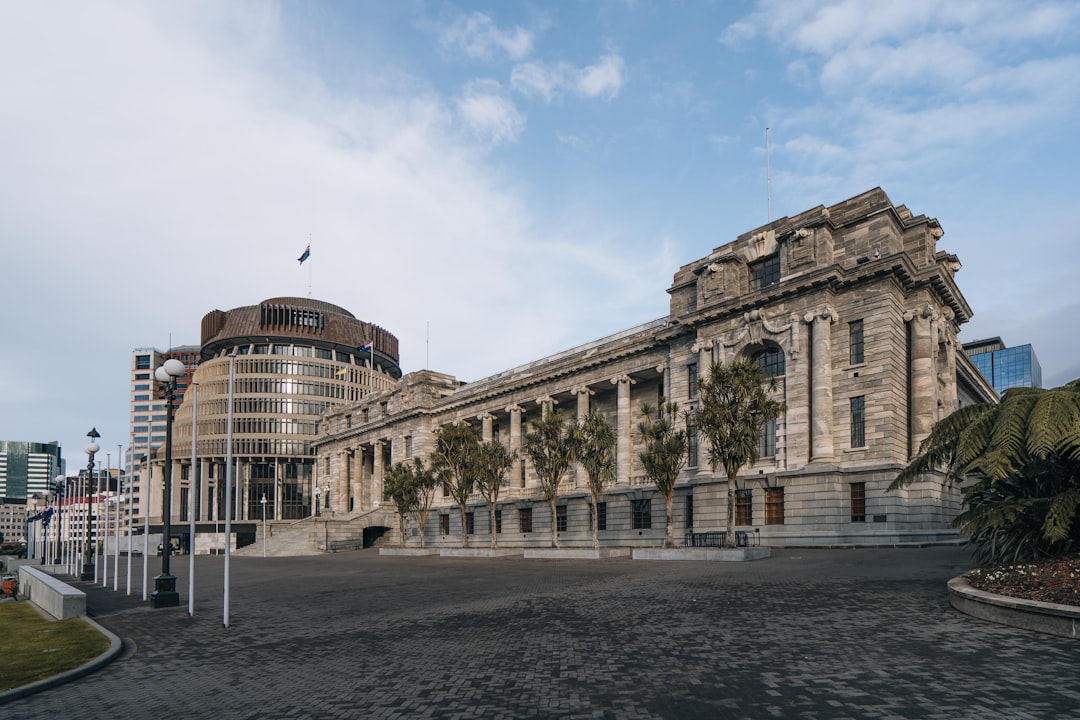
New Zealand Prime Minister Christopher Luxon has pulled out of his regular Breakfast TV interview slot, 1News reports, raising questions about political accountability as his government faces mounting criticism over its economic policies and public service cuts.
The weekly interview had become a fixture of New Zealand political media, giving journalists a regular opportunity to question the Prime Minister on breaking issues. Luxon's decision to cancel it marks a significant shift in how New Zealand's leadership engages with the press.
Mate, this is about democratic accountability. When leaders start dodging regular media scrutiny, it's a warning sign—and New Zealand should be paying attention.
Luxon's government has faced criticism over its handling of the economy, particularly its cuts to public services and its approach to the cost-of-living crisis. Inflation remains stubbornly high. Healthcare wait times are growing. The government's promise of tax cuts has been complicated by budget pressures.
Regular media appearances force politicians to answer difficult questions. They provide transparency. They hold power to account. When a Prime Minister steps back from that scrutiny, it raises questions about what they're avoiding.
The contrast with Jacinda Ardern's approach is stark. Ardern faced her share of criticism—particularly during the COVID-19 pandemic—but she maintained regular press conferences and media engagements. She answered questions, even hostile ones. It was part of her political brand: accessibility and transparency.
Luxon, by contrast, has adopted a more controlled media strategy. Fewer impromptu appearances. More stage-managed events. Now, the cancellation of a weekly interview slot that provided journalists with guaranteed access.
The Prime Minister's office hasn't provided a detailed explanation for the decision. The implication is that Luxon will engage with media on his own terms, when it suits his agenda, rather than facing regular questioning on whatever issues are dominating the news cycle.
It's a shift that mirrors trends in other democracies, where leaders increasingly bypass traditional media in favor of social media and controlled messaging. But it comes at a cost: less scrutiny, less accountability, and ultimately, less transparency.
New Zealand has a proud tradition of accessible political leadership. Prime Ministers who front up. Who answer questions. Who treat media engagement as part of the job, not an optional extra.
Luxon's decision to cancel the weekly interview risks eroding that tradition. And in a democracy, when leaders stop answering questions, it's worth asking why.