Former SAS soldier Ben Roberts-Smith has confirmed he will attend Anzac Day commemorations after being released on bail, the ABC reports—a decision that's sparked outrage from veterans groups and Indigenous communities on the eve of Australia's most sacred national day.
Roberts-Smith lost a landmark defamation case in which a court found he committed war crimes in Afghanistan, including the murder of unarmed prisoners. He was released on bail pending further legal proceedings, but the timing of his announcement—24 hours before Anzac Day—has ignited a fierce debate about what Australia chooses to honor.
Mate, this is about what we celebrate when we talk about sacrifice. And right now, a man found to have murdered unarmed prisoners is planning to stand alongside veterans who served with honor.
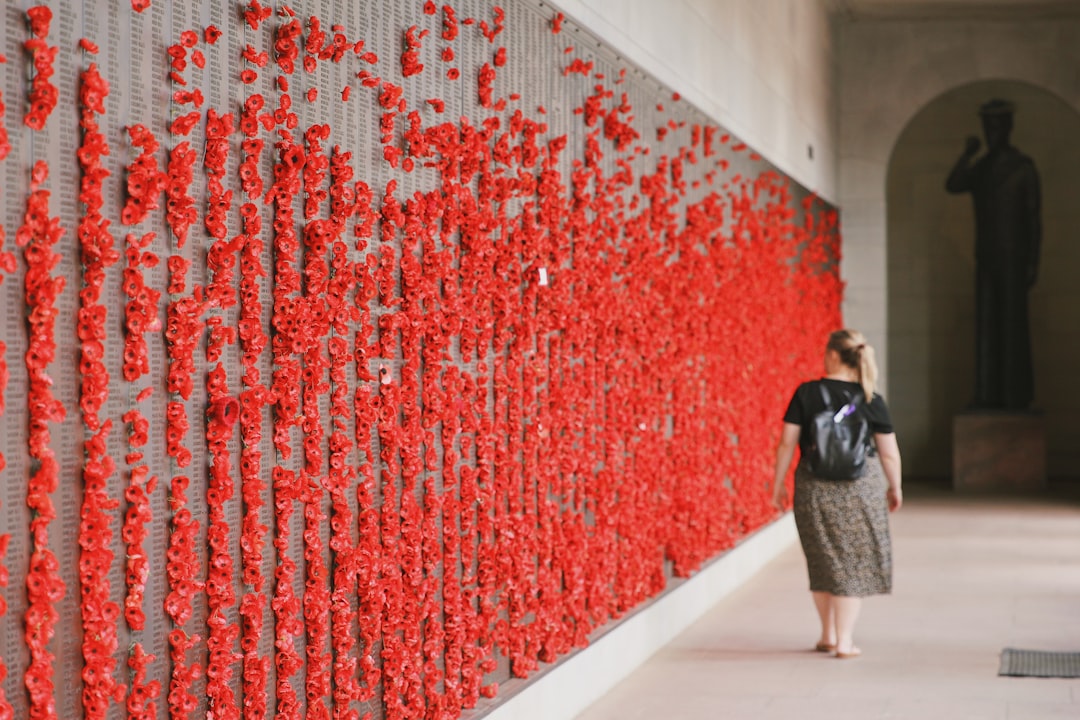
Anzac Day commemorates Australia's military history, honoring those who served and died in conflicts from Gallipoli to Afghanistan. It's a day of solemn reflection, not celebration—a distinction Australia takes seriously. Veterans march. Families lay wreaths. The nation pauses at dawn.
But Roberts-Smith's attendance raises uncomfortable questions. He was once Australia's most decorated living soldier, awarded the Victoria Cross for bravery. He was a poster boy for the Australian Defence Force. Then came the allegations: unlawful killings, bullying, cover-ups.
The Federal Court found that Roberts-Smith murdered four unarmed Afghans, including a man with a prosthetic leg who was kicked off a cliff and then shot. The court found he pressured junior soldiers to execute prisoners. These weren't allegations. They were findings of fact.
Veterans groups have expressed anger at Roberts-Smith's decision to attend ceremonies. Indigenous leaders have pointed out the bitter irony: Aboriginal soldiers who fought for Australia returned home to systemic racism and were denied the rights they'd fought to defend. Yet Roberts-Smith, found to have committed war crimes, walks free and attends commemorations.
There's no law preventing Roberts-Smith from attending public Anzac Day events. He hasn't been convicted of a criminal offense—the findings were in a civil defamation case. But the optics are inescapable.
Australia is reckoning with what happened in Afghanistan. The Brereton Report found evidence of 39 unlawful killings by Australian special forces. Investigations are ongoing. This Anzac Day, Australia will honor its war dead while confronting the reality that some who served committed atrocities.
Roberts-Smith's presence at dawn services will be a reminder that the hard questions don't go away just because it's a day of remembrance.