Fishing vessels operating in the Atlantic Ocean continue to accidentally recover World War II-era chemical weapons from the seafloor, raising concerns about an under-reported environmental hazard as corroding munitions containers degrade after eight decades underwater.
The incidents, documented in recent maritime safety reports, stem from systematic ocean dumping of chemical weapons in the years immediately following WWII. Allied forces disposed of captured German chemical munitions and surplus Allied stockpiles by sinking them in designated ocean areas, a practice considered acceptable under mid-20th century environmental understanding.
Estimates suggest hundreds of thousands of tons of chemical weapons rest on ocean floors globally, with significant concentrations in the Baltic Sea, North Sea, and several Atlantic dumping zones. The materials include mustard gas, phosgene, and nerve agents, many contained in metal shells and bombs now corroding after decades of saltwater exposure.
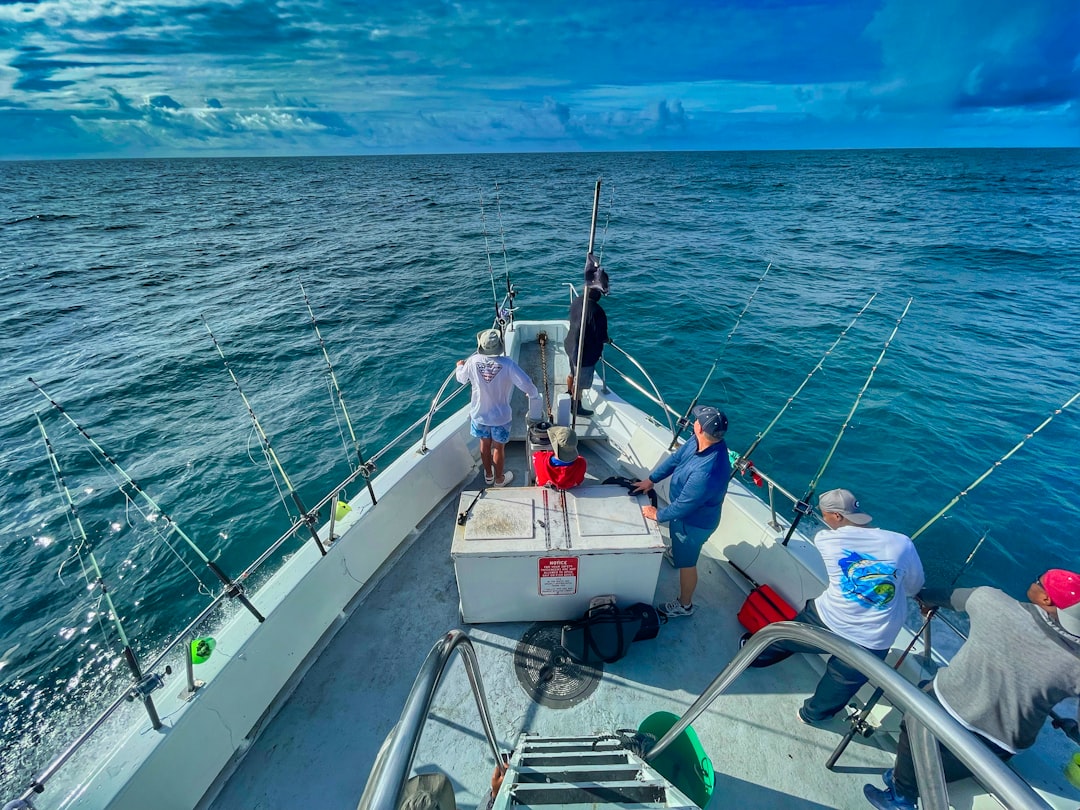
Fishing crews encounter the munitions when bottom-trawling equipment snags containers or when deteriorating shells break apart in nets. Exposure incidents have caused chemical burns, respiratory problems, and long-term health complications among fishermen. The toxic materials also contaminate catch, creating food safety hazards and economic losses when fishing areas must be temporarily closed.
The accelerating corrosion timeline presents growing risks. Marine scientists studying munitions degradation note that steel containers designed for land storage deteriorate faster in corrosive saltwater environments. As containment fails, chemical agents either disperse into surrounding waters or form persistent contaminated sediment zones.
Yet remediation faces extraordinary challenges. Precise mapping of dump sites is incomplete—many disposal operations were poorly documented, and ocean currents have shifted materials from original locations. Retrieval operations are technically complex and potentially more dangerous than leaving munitions in place, as disturbed shells can leak or explode. The depth and distribution of materials across international waters complicates jurisdictional responsibility.
International law remains ambiguous about liability. The weapons were dumped legally under regulations prevailing at the time. Many responsible nations have since dissolved or transformed politically. Establishing who bears cleanup costs and authority proves contentious, particularly for munitions in international waters outside exclusive economic zones.
Regional initiatives show piecemeal progress. Baltic Sea nations have invested in mapping and monitoring programs, though full remediation remains prohibitively expensive. Germany has acknowledged responsibility for some dumping but argues comprehensive cleanup exceeds financial and technical feasibility. Denmark and Poland have established exclusion zones in heavily contaminated areas, restricting fishing and development activities.
Marine biologists studying affected ecosystems find that chemical weapons create localized dead zones where sediment contamination persists. While ocean dilution limits widespread impact, concentrated dump sites show reduced biodiversity and disrupted food chain dynamics. The long-term effects of chronic low-level chemical exposure in marine organisms remain incompletely understood.
Climate change may exacerbate the problem. Rising ocean temperatures can accelerate corrosion rates, while shifting fish migration patterns and expanding fishing grounds increase the probability of human contact with previously avoided dump sites. Storm intensification raises the possibility of munitions being physically redistributed by severe weather events.
Advocacy groups call for comprehensive mapping efforts using advanced sonar and remote sensing technology to identify and mark contaminated zones. This would allow fishing vessels to avoid high-risk areas and enable targeted monitoring of corrosion progression. The cost would be substantial but far less than attempting physical remediation.
Some researchers propose in-situ remediation approaches: encasing munitions in concrete or sediment barriers to limit chemical migration while leaving materials on the seafloor. These methods avoid the risks of retrieval while providing containment, though long-term effectiveness remains unproven.
In climate policy, as across environmental challenges, urgency must meet solutions—science demands action, but despair achieves nothing. The ocean chemical weapons problem demonstrates how historical decisions create persistent environmental hazards that future generations must manage. It also raises uncomfortable questions about accountability when the actors responsible no longer exist and the scale of remediation exceeds practical capacity.
For now, fishing crews remain on the frontline of a slow-motion environmental crisis, their accidental encounters serving as irregular monitoring of a problem that will worsen as containers continue degrading. Whether international cooperation can develop comprehensive responses or whether the issue remains relegated to reactive incident management will determine how many more fishermen handle corroded shells filled with poisons dumped before their grandparents were born.