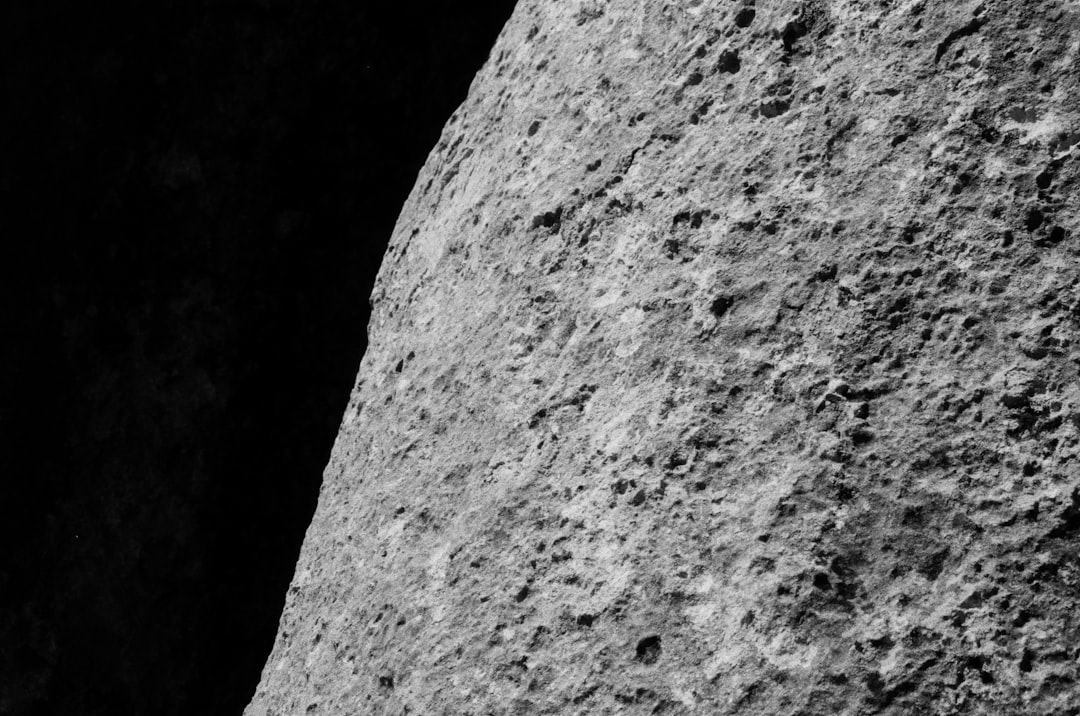
Scientists analyzing samples from the asteroid Ryugu have made an unprecedented discovery: all five nucleobases required for life as we know it, found together in a single extraterrestrial sample. The finding, published in Nature Communications, significantly strengthens theories that the chemical ingredients for life may have arrived on early Earth via asteroid impacts.
The Japanese Aerospace Exploration Agency's Hayabusa2 mission returned pristine samples from Ryugu in December 2020, delivering material that had never been exposed to Earth's atmosphere or biosphere. Analysis of these samples has now revealed adenine, guanine, cytosine, thymine, and uracil—the complete set of nucleobases that form the genetic alphabet of DNA and RNA.
Lead researcher Dr. Yasuhiro Oba from Hokkaido University emphasized that while individual nucleobases have been detected in meteorites before, finding all five together in measurable quantities represents a major milestone for astrobiology. "This is the first time we've seen the complete genetic toolkit in a sample we're absolutely certain wasn't contaminated by terrestrial biology," Oba explained.
The discovery has particular significance because of the sample's pristine nature. Unlike meteorites that fall to Earth and can potentially pick up biological contamination, the Ryugu samples were collected directly from the asteroid's surface and sealed in a sterile container that was never opened until reaching specialized clean rooms. This chain of custody provides unprecedented confidence that the detected compounds are genuinely extraterrestrial in origin.
The nucleobases were found in concentrations ranging from parts per billion to parts per million, embedded within the asteroid's carbon-rich minerals. Their presence alongside amino acids, sugars, and other organic compounds suggests that complete prebiotic chemistry—the chemical foundation necessary for life—can develop in space through non-biological processes.
Researchers identified the nucleobases using advanced liquid chromatography and mass spectrometry techniques specifically optimized for detecting trace organic compounds. The analytical methods were so sensitive that they could distinguish between biologically produced nucleobases and those formed through abiotic chemistry based on subtle differences in molecular structure and isotopic composition.
In space exploration, as across technological frontiers, engineering constraints meet human ambition—and occasionally, we achieve the impossible. The Hayabusa2 mission's sample return demonstrates how precision spacecraft engineering enables breakthrough scientific discoveries impossible through any other means.
The findings support the panspermia hypothesis—not in its strong form suggesting that life itself traveled through space, but rather that the chemical precursors to life may have been delivered to the early Earth by asteroids and comets during the heavy bombardment period approximately four billion years ago. This delivery mechanism could explain how Earth acquired sufficient quantities and diversity of organic molecules to enable the origin of life.
Dr. Sandra Pizzarello, an astrochemist at Arizona State University not affiliated with the study, described the discovery as "a game-changer for understanding life's cosmic context." She noted that the presence of all five nucleobases together "suggests that the chemical pathway from simple carbon compounds to complex genetic molecules may be universal rather than unique to Earth."
The research has immediate implications for the search for life beyond Earth. If asteroids naturally produce the complete set of genetic building blocks, then any planet or moon with liquid water that experienced asteroid bombardment would have access to the same chemical toolkit that enabled life on Earth. This dramatically expands the potential habitability of worlds throughout the universe.
Analysis of the Ryugu samples also revealed insights into how these compounds formed. The nucleobases appear to have been synthesized through chemical reactions involving hydrogen cyanide and ammonia in the presence of liquid water—conditions that likely existed within the asteroid's parent body billions of years ago when radioactive decay provided enough heat to melt ice and drive aqueous chemistry.
The discovery raises new questions about molecular selection and evolution. While the asteroid contains all five nucleobases, they exist in roughly equal proportions rather than the specific ratios used by terrestrial biology. Understanding how early Earth environments might have selectively concentrated certain nucleobases while excluding others represents a key puzzle in the origin of life.
NASA's OSIRIS-REx mission, which returned samples from asteroid Bennu in September 2023, is currently undergoing similar analysis. Scientists are eager to see whether Bennu's samples show the same organic diversity as Ryugu, which would suggest that nucleobase formation is common among carbon-rich asteroids. Preliminary results are expected later this year.
Future asteroid sample return missions are already being planned with astrobiology as a central objective. Understanding the distribution and abundance of prebiotic molecules across different asteroid types could reveal which kinds of space rocks were most important for delivering life's ingredients to early Earth and potentially to other planets throughout the solar system.