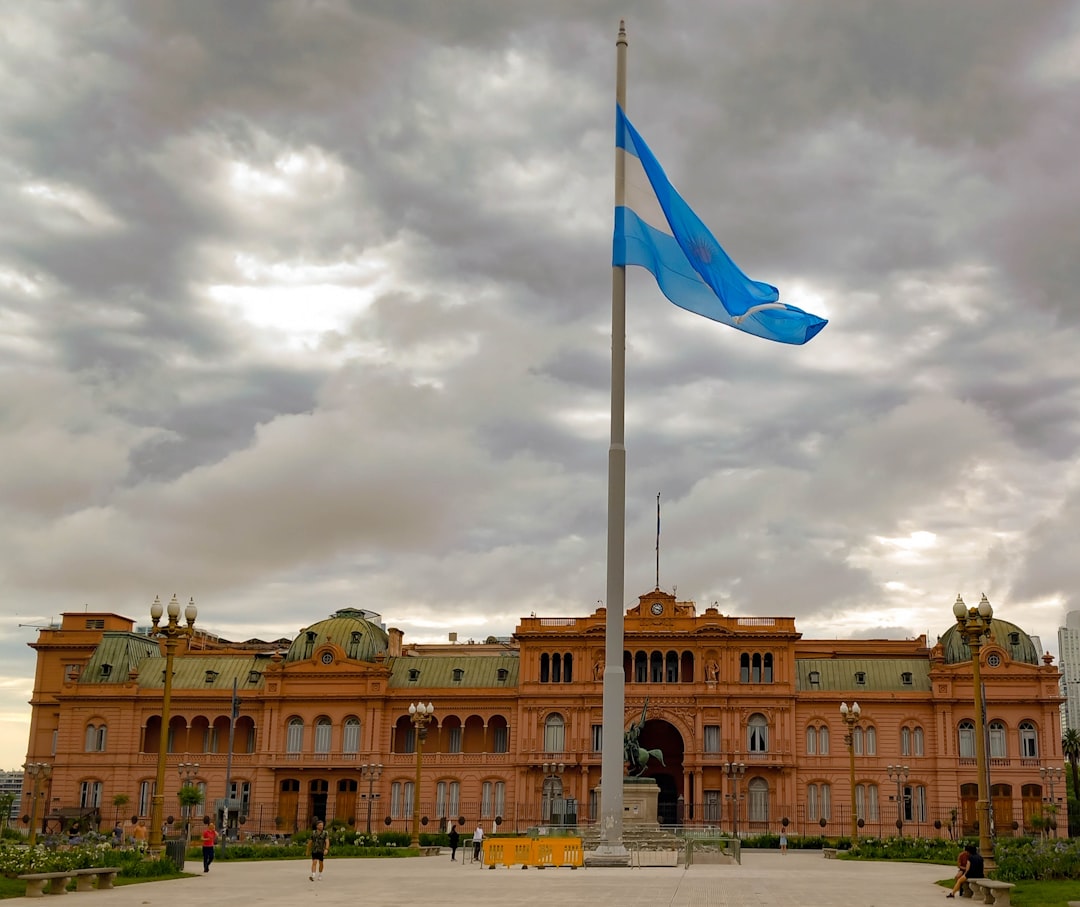
Argentina's government removed a prominent portrait of Juan Domingo Perón and Eva Perón from Casa Rosada, the presidential palace, in a symbolic gesture that captures the administration's effort to reshape national identity around achievement rather than ideology.
The move, reported by Infobae, includes consideration of replacing the Peronist icons with an image of footballer Lionel Messi, whose recent World Cup victory represents one of Argentina's rare unifying moments in a deeply polarized society.
In Argentina, as across nations blessed and cursed by potential, the gap between what could be and what is defines the national psychology. The removal of Perón and Evita from the nation's symbolic heart represents more than redecorating—it signals an attempted break from the political movement that has dominated Argentine politics for eight decades.
Peronism, that peculiar Argentine synthesis of nationalism, populism, and laborism, has proven remarkably durable precisely because of its ideological flexibility. The movement has encompassed military authoritarians and democratic socialists, free-market reformers and statist interventionists, all claiming the mantle of Perón and Evita. This adaptability has made Peronism central to Argentine political identity, but critics argue it has also enabled the economic mismanagement and institutional weakness that plague the country.
The current government's cultural offensive extends beyond portraiture. By elevating Messi—a figure of individual excellence achieved through discipline and global competition—over Perón and Evita, symbols of collective mobilization and state intervention, the administration articulates a different vision of what Argentina might become.