
Arctic sea ice has plummeted to its lowest winter maximum on record, marking another alarming milestone as unprecedented heat waves shatter temperature records across the planet, according to data from the National Snow and Ice Data Center.
The announcement comes as climate scientists warn that the planet is approaching critical tipping points that could trigger irreversible feedback loops. The Arctic, warming at more than twice the global average rate, serves as both indicator and accelerant of planetary climate disruption.
Winter sea ice in the Arctic typically reaches its annual maximum extent in March before melting through the summer months. This year's peak measurement fell below all previous records dating back to satellite monitoring beginning in 1979, representing a profound shift in polar dynamics.
The diminished ice cover creates a dangerous feedback mechanism: as reflective white ice disappears, darker ocean water absorbs more solar radiation, accelerating warming in a self-reinforcing cycle that extends far beyond the polar regions.
Climate scientists emphasize that Arctic sea ice decline connects directly to extreme weather patterns affecting millions worldwide—from atmospheric disruptions that alter jet stream behavior to rising sea levels threatening coastal communities across every continent.
The record low coincides with unprecedented heat waves documented across multiple continents. Temperature anomalies have shattered historical records from South America to Antarctica, with dozens of locations recording their warmest temperatures ever measured for this time of year.
"We're watching the climate system respond to decades of accumulated greenhouse gas emissions," explained researchers tracking the phenomenon. "Each new record doesn't just represent a statistical milestone—it signals fundamental changes to Earth's energy balance."
The Arctic ice measurements carry particular significance because winter maximum extent reflects the resilience of multiyear ice—thick, stable formations that survive summer melting seasons. The failure of this ice to recover during peak winter growth periods indicates structural weakening of polar ice systems.
Climate models have long predicted Arctic amplification would accelerate as warming continued, but observed rates have consistently exceeded projections. The ice loss documented this year surpasses even the upper bounds of many climate scenarios developed just a decade ago.
In climate policy, as across environmental challenges, urgency must meet solutions—science demands action, but despair achieves nothing. The Arctic record demonstrates that planetary systems are responding faster than anticipated, compressing the timeline for meaningful emissions reductions.
International climate negotiations have struggled to translate scientific warnings into adequate policy response. The Paris Agreement targets of limiting warming to 1.5°C above pre-industrial levels grow more distant as each month breaks temperature records.
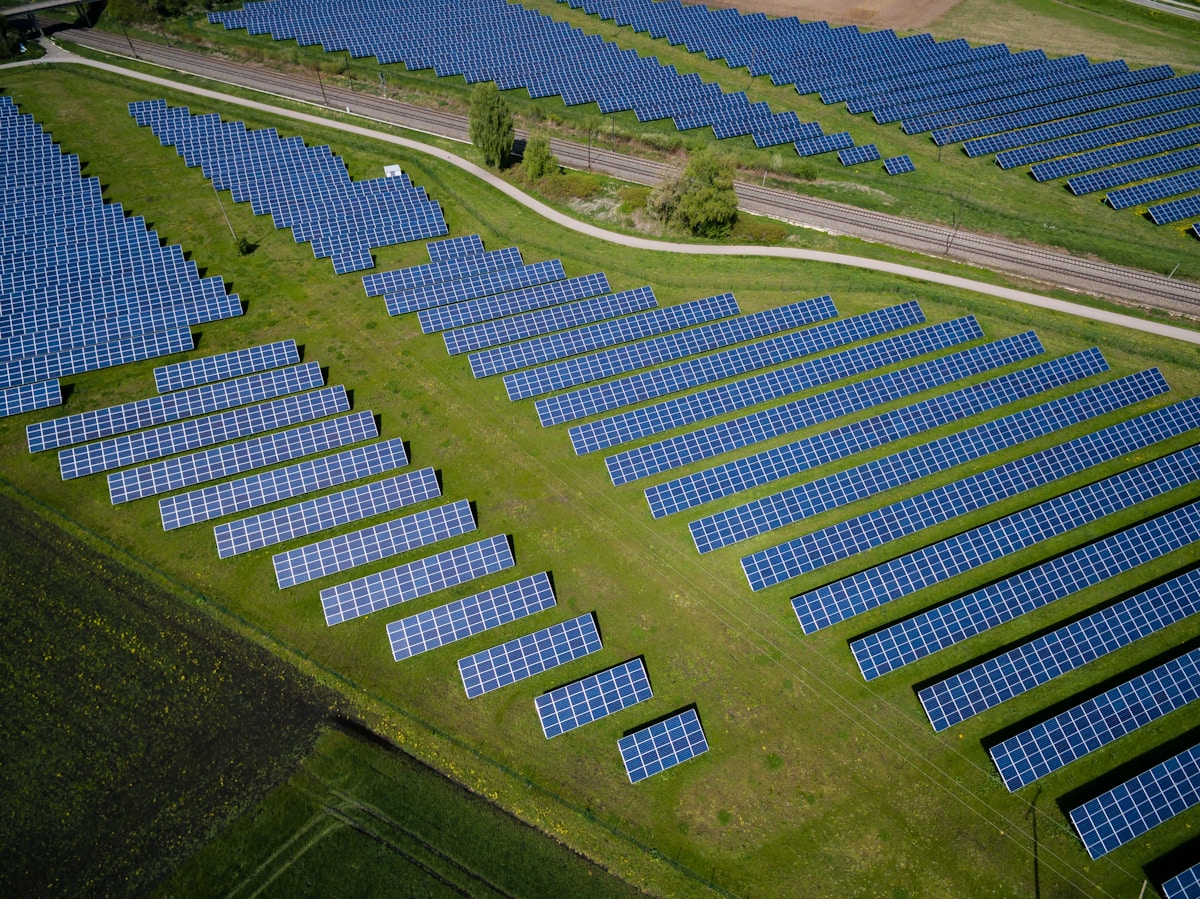
Scientists tracking the changes emphasize that while current trajectories appear dire, technological solutions and rapid policy shifts could still prevent the most catastrophic outcomes. Solar and wind energy deployment continues at record pace, demonstrating that alternatives to fossil fuels exist at scale.
The challenge lies in implementation speed. Arctic ice decline illustrates what climate scientists have warned for decades: delays in climate action create momentum that becomes progressively harder to reverse. Each fraction of a degree of warming unlocks additional feedback mechanisms.
Developing nations, which contributed least to historical emissions, face disproportionate impacts from Arctic-driven climate disruption. Climate justice advocates stress that wealthy nations bear responsibility both for rapid domestic decarbonization and substantial financial support for adaptation and mitigation in vulnerable regions.
As Arctic ice continues its decline, the question shifts from whether climate tipping points will arrive to how rapidly human systems can respond. The physics of the climate system operates independently of political timelines—a reality that the latest ice measurements make impossible to ignore.