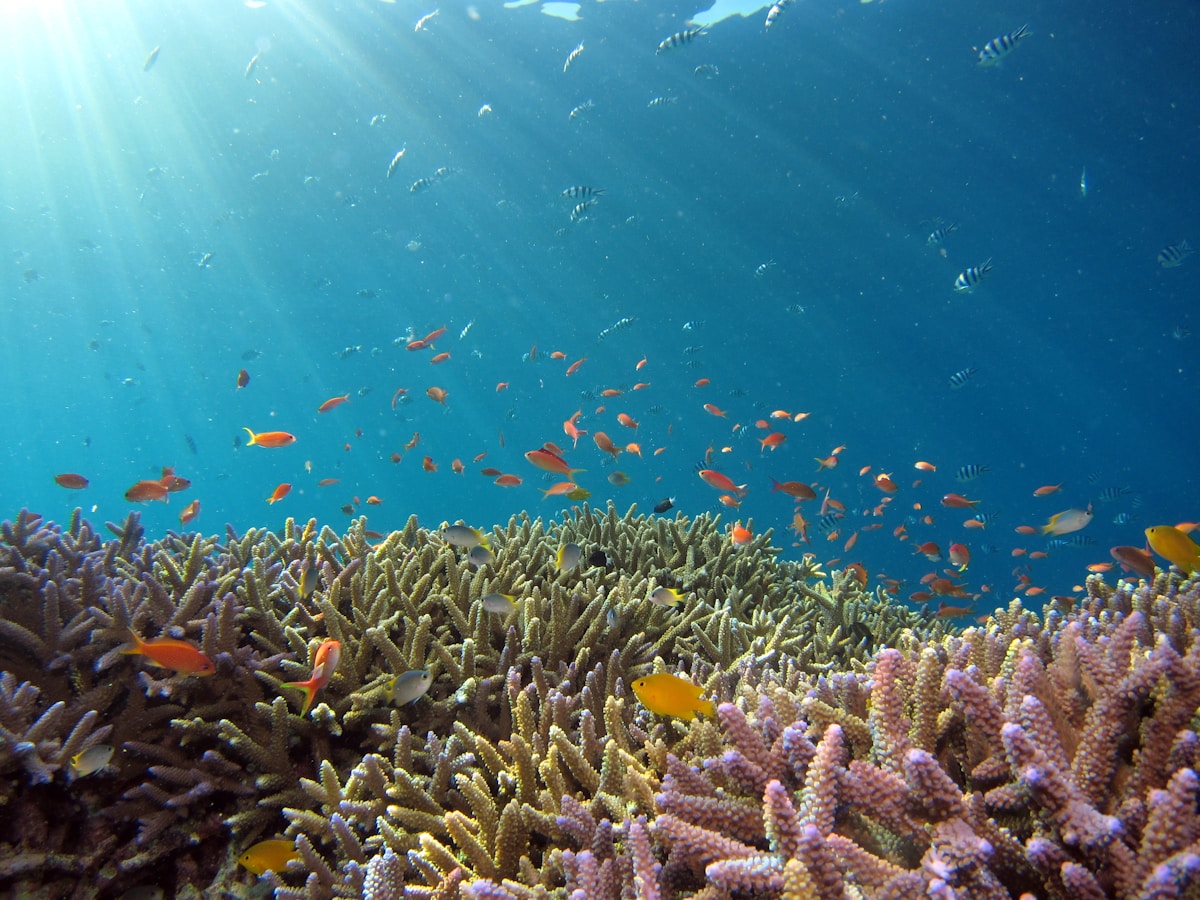
Hawaii's coral reefs, already struggling under the weight of ocean warming and acidification, now face an additional existential threat from massive storm runoff that has smothered sections of reef in sediment-laden mud, according to marine scientists documenting the cascading impacts.
The recent Kona low weather systems dumped unprecedented rainfall across the Hawaiian islands, triggering floods that carried tons of soil, debris, and pollutants into coastal waters. The resulting turbidity plumes have blanketed coral formations that were already weakened by consecutive years of marine heat waves.
"We're witnessing compounding stressors create cascading failures," explained researchers surveying affected reefs. "These corals were barely surviving thermal stress, and now they're suffocating under layers of sediment. This is climate change creating multiple simultaneous threats that overwhelm ecosystems' adaptive capacity."
The crisis illustrates a fundamental challenge facing marine conservation in the climate era: isolated threats that coral reefs historically survived become lethal combinations when occurring simultaneously or in rapid succession.
Coral reefs depend on clear, sunlit water for the photosynthetic algae living in their tissues. When storm runoff clouds coastal waters and deposits sediment, it blocks sunlight and smothers coral polyps, preventing feeding and respiration. Under normal conditions, healthy coral can recover from brief sedimentation events. But climate-weakened coral lacks the energy reserves to survive additional stresses.
The Kona low storms themselves may represent climate change impacts. While these winter weather systems occur naturally in Hawaii, climate models project that warming ocean temperatures will intensify tropical storm rainfall. The atmospheric moisture content increases with temperature, following basic physics that means warmer air holds more water vapor.
Hawaiian coral reefs have already experienced severe bleaching events tied to marine heat waves in 2014, 2015, and 2019. During bleaching, stressed corals expel their symbiotic algae, turning white and becoming vulnerable to starvation and disease. While some coral recovered from these events, repeated bleaching degrades reef resilience and reduces genetic diversity.