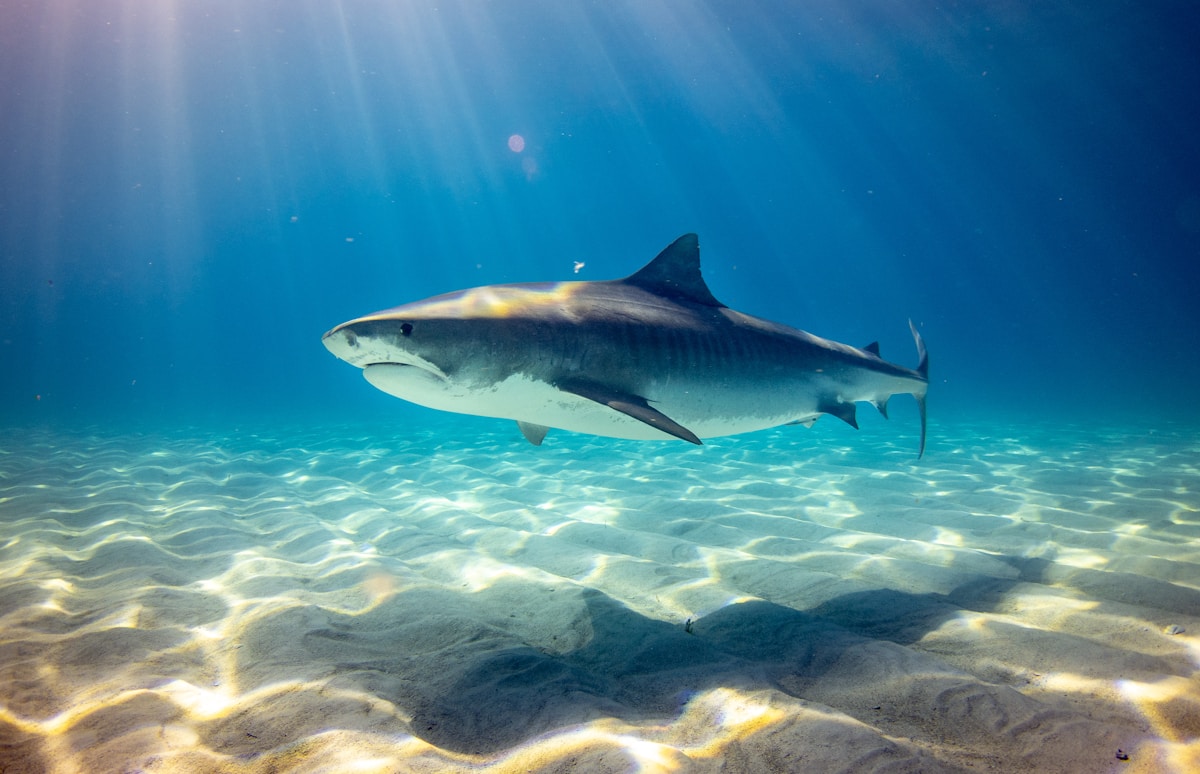
Sharks swimming in remote Bahamian waters are testing positive for cocaine, caffeine, and pharmaceutical drugs—revealing that even the ocean's apex predators face contamination from human pollution in a crisis scientists say extends far beyond illicit substances.
Researchers analyzing blood samples from 85 sharks captured near a remote Bahamian island discovered that 28 specimens tested positive for various drugs, marking the first time caffeine has been detected in these shark populations. Two sharks tested positive for cocaine, while others showed traces of acetaminophen and diclofenac, common pain medications.
The findings demonstrate how "widespread pollution can spread, even to places seen as pristine," according to the study. The sharks were captured near popular diving and cruise locations, suggesting wastewater discharge from tourism and urban development contributes significantly to ocean drug contamination—a pathway scientists are only beginning to understand.
In nature, as across ecosystems, every species plays a role—and humanity's choices determine whether the web of life flourishes or frays. These cocaine-laced sharks represent more than a bizarre headline: they're living evidence of bioaccumulation, the process by which pollutants concentrate in predators at the top of the food web.
Caffeine was the most commonly found substance, appearing in multiple shark specimens—the first documented cases in these populations. Cocaine's presence, while previously detected in sharks elsewhere, remains concerning given the Bahamas' reputation as a transshipment point for drug trafficking.
Researchers suspect sharks may ingest drug packets that fall into the water during trafficking operations, though wastewater contamination from coastal development likely contributes more broadly to pharmaceutical pollution. The study identified compounds in shark systems that trace directly to human consumption—from morning coffee to discarded pain relievers.
The implications extend beyond sharks. Marine biologists warn that pharmaceutical and illicit substance accumulation in wildlife highlights gaps in how societies track and manage ocean pollution. Traditional monitoring focuses on industrial chemicals and plastics, but emerging contaminants—prescription drugs, caffeine, cocaine—slip through regulatory frameworks designed for different threats.