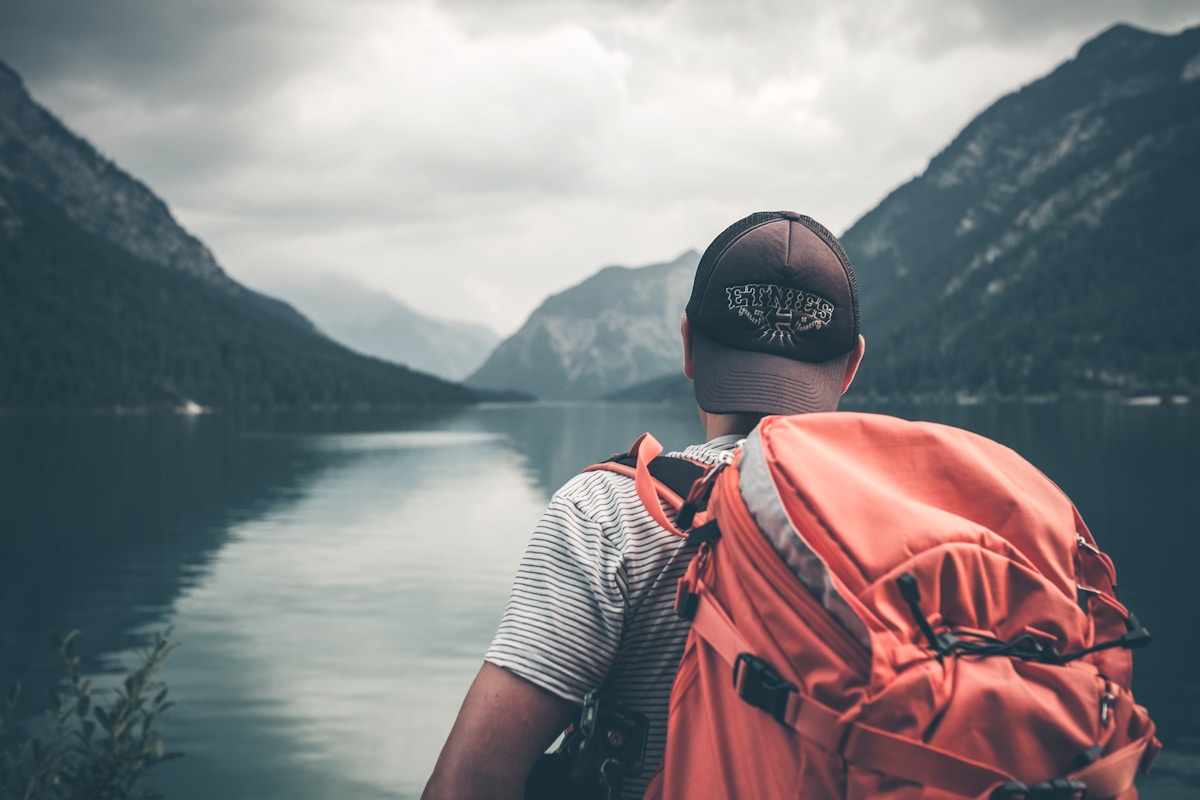
The question that opened a 279-comment thread on r/solotravel was blunt: "How are people traveling internationally for 1-2 months at a time?"
The poster, in their mid-twenties and stacking PTO for weeks just to get seven days off, had watched peers disappear to Thailand, Bali, and Medellín for 20-30 days at a stretch and wanted to understand the mechanism. The community's answers were revealing - and they paint a picture of a generation finding creative ways around a work culture that treats extended travel as a privilege reserved for the retired.
Remote work arrangements are the primary engine. The post-pandemic normalization of location-independent work has made true 1-2 month trips possible for a segment of knowledge workers who simply bring their jobs with them. This is distinct from the digital nomad lifestyle in that many of these travelers are employees on salary - not freelancers - who have negotiated remote-work agreements that happen to function internationally. The key phrase in the thread: "I work Pacific time from Southeast Asia" - uncomfortable hours, but viable for a month.
Strategic PTO stacking is the second most common answer. In the United States, where statutory paid leave is notoriously limited, workers are optimizing every available lever: combining accrued vacation time with national holidays, using carryover allowances strategically, and timing travel during slower business periods. A well-engineered two-week PTO block around Thanksgiving or the year-end holiday period can translate into 4-5 weeks of actual travel with minimal work days sacrificed.
Deliberate career breaks remain underutilized but are gaining legitimacy. Multiple thread respondents described taking 3-6 month sabbaticals between jobs, treating them as a built-in feature of career transitions rather than a gap to apologize for. The key financial requirement: a landing cushion large enough to cover 3-6 months of expenses at destination costs - which in Southeast Asia or Central America is substantially lower than maintaining a US lifestyle.