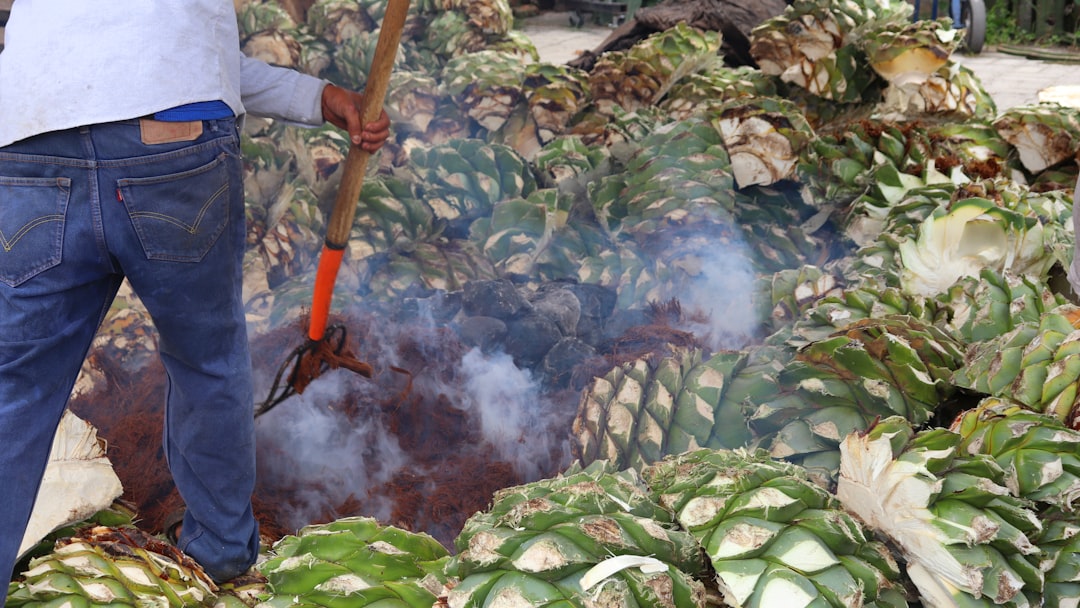
Surging U.S. demand for mezcal is devastating ecosystems across Oaxaca, Mexico, as unsustainable harvesting of wild agave plants strips hillsides bare and threatens the region's biodiversity, according to a Fortune investigation.
The artisanal spirit, once consumed primarily in rural Mexico, has become fashionable in American cocktail culture, driving exponential growth in production that outpaces the slow-growing agave plants' ability to regenerate. Traditional sustainable practices are giving way to industrial-scale extraction that threatens long-term ecological stability.
Agave plants take seven to 15 years to mature, depending on species. Sustainable mezcal production traditionally involved selective harvesting that maintained wild agave populations. The current boom has disrupted these practices, with harvesters clearing entire hillsides to meet export demand.
Dr. Ana Guadalupe Valenzuela-Zapata, an agave specialist at the University of Guadalajara, describes the situation as "environmental mining." Once agave is exhausted from an area, producers simply move to new hillsides, leaving degraded ecosystems unable to recover.
In climate policy, as across environmental challenges, urgency must meet solutions—science demands action, but despair achieves nothing. The mezcal crisis illustrates how Global North consumption patterns drive environmental destruction in the Global South, raising fundamental questions about sustainable international trade.
The ecological impacts extend beyond agave depletion. Wild agave plants provide critical habitat for numerous species, including bats that pollinate the plants and enable reproduction. Stripping hillsides of agave eliminates this habitat while increasing erosion and water runoff.
Oaxaca's mountainous terrain makes it particularly vulnerable to erosion when vegetation is removed. Local communities report increased landslides and reduced water retention in areas where agave harvesting has been most intensive.