
Market forces are reshaping energy policy faster than political mandates can reverse them, as the Trump administration's repeated attempts to auction oil drilling rights in Alaska's Cook Inlet have failed to attract a single bidder—for the second time in less than a year.
The Bureau of Ocean Energy Management auction, heavily promoted by federal officials seeking to expand domestic fossil fuel production, generated zero interest from oil companies. The outcome mirrors an identical failure in 2025, when the same tracts drew no bids despite aggressive marketing.
The rejection speaks louder than any climate pledge: the economics of frontier oil drilling no longer pencil out, even with regulatory support. Cook Inlet's aging infrastructure, declining production, and high extraction costs make new development financially unviable compared to more profitable projects elsewhere—or compared to renewable energy investments that now dominate capital allocation decisions across the industry.
"This isn't about environmental opposition," energy analysts note. "The industry itself is voting with its capital. Alaska offshore drilling faces structural economic challenges that policy enthusiasm can't overcome."
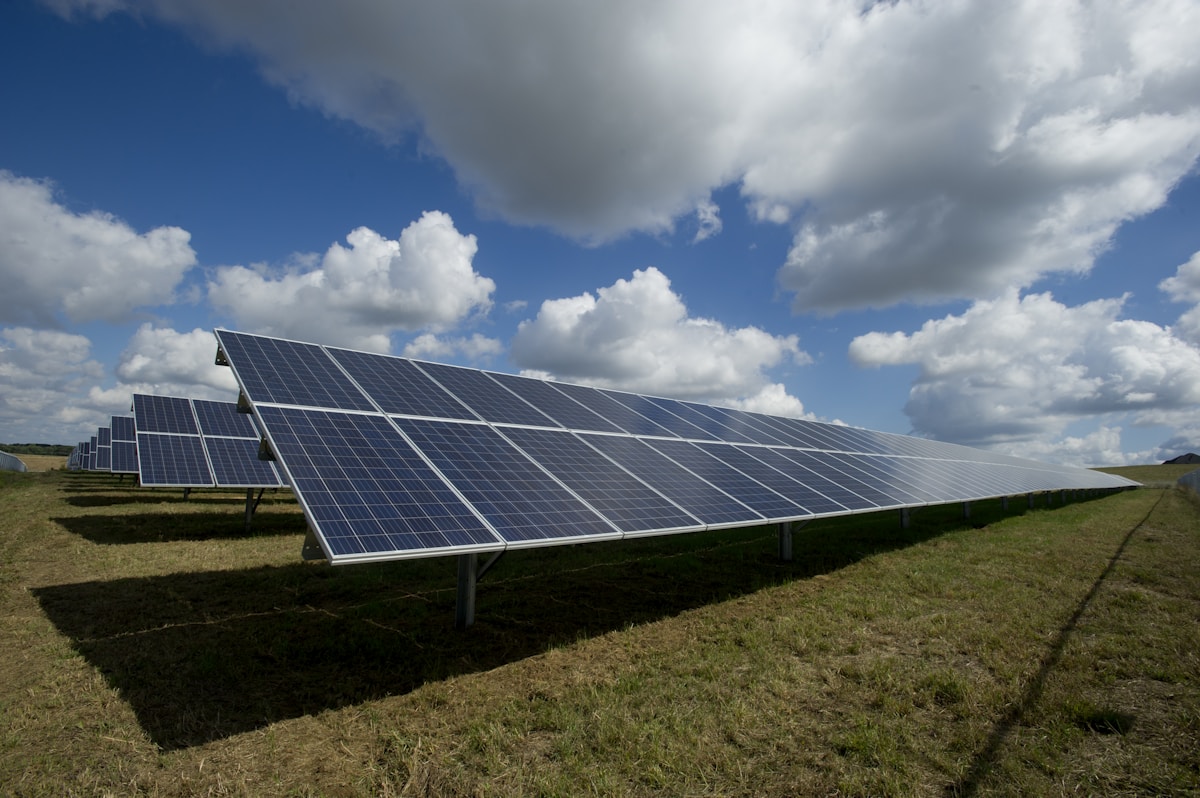
The failure arrives as global oil majors accelerate renewable energy portfolios, not from altruism but from market calculation. Solar and wind projects now offer faster returns, lower risk, and better long-term growth prospects than remote fossil fuel extraction. Shareholder pressure reinforces the trend: investors increasingly demand climate-resilient business models rather than stranded asset exposure.
In climate policy, as across environmental challenges, urgency must meet solutions—science demands action, but despair achieves nothing. The Cook Inlet auction failures demonstrate that clean energy transition advances through economic momentum as much as environmental policy.
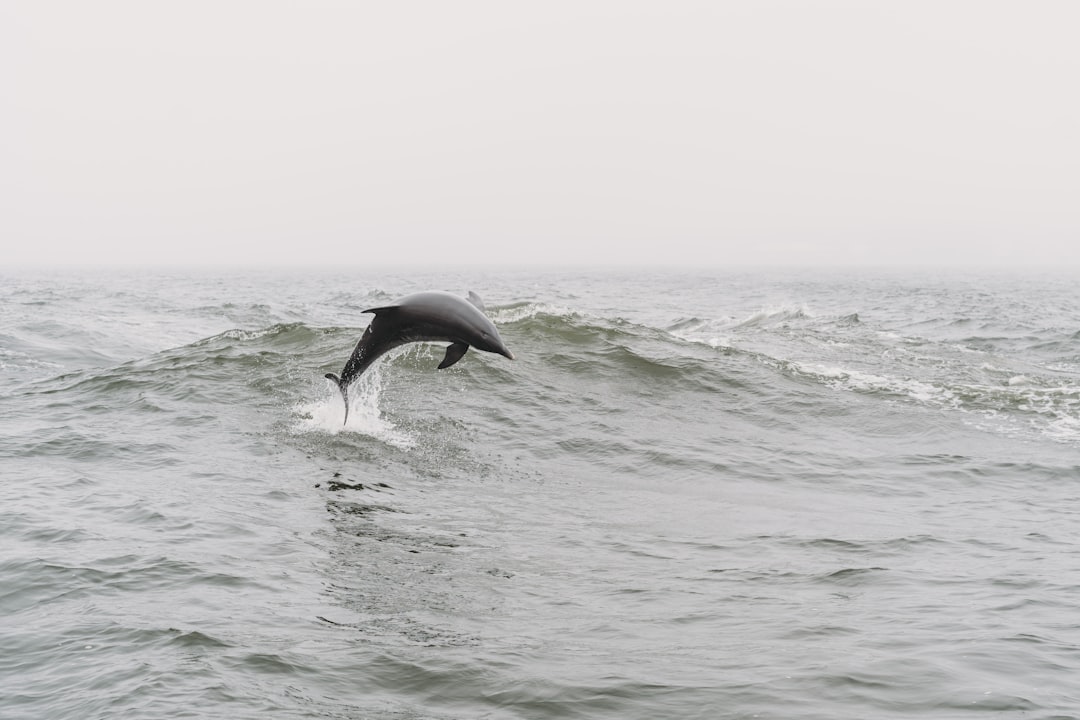
Environmental advocates have long opposed Alaska offshore drilling on ecological grounds—threats to endangered marine mammals, risks to Indigenous subsistence fishing, and climate impact from new fossil fuel development. The market's refusal to participate vindicates protection efforts without requiring legal battles.