
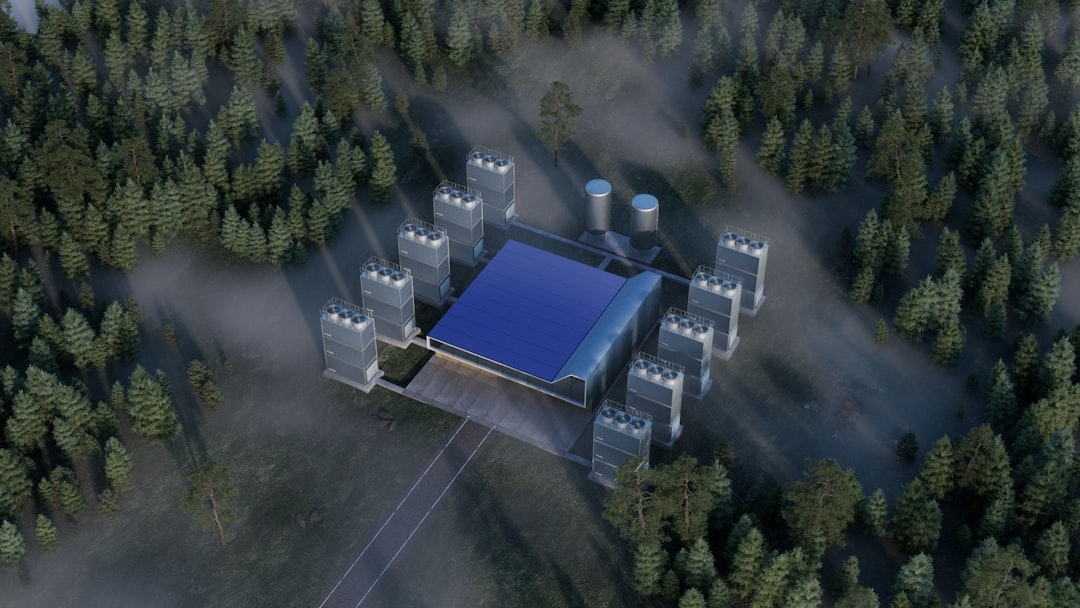
Hundreds of millions of people worldwide are experiencing measurably warmer temperatures in their neighborhoods due to the explosive growth of AI data centers, according to new research published in New Scientist.
The study reveals that data centers powering artificial intelligence operations can raise local temperatures by up to 9.1°C (16.4°F) in surrounding areas, creating an unprecedented climate challenge as tech companies race to expand AI infrastructure. Researchers found that the heat island effect from these facilities extends far beyond their physical footprint, affecting residential communities and urban ecosystems.
"The AI boom has created a hidden climate cost that nobody anticipated," the researchers noted, documenting how concentrated computing power generates massive thermal emissions that traditional data centers never produced at this scale.
The findings come as tech giants including Microsoft, Google, and Meta dramatically expand data center construction to meet surging demand for AI services. Unlike conventional computing facilities, AI training and inference require far more energy-intensive processors that generate exceptional heat output.
Geographic analysis shows the impact disproportionately affects communities in regions where tech companies have concentrated infrastructure—particularly areas of Northern Virginia, Ireland, Singapore, and parts of China. In some neighborhoods near large AI facilities, residents report noticeably warmer evening temperatures and increased air conditioning costs.
The research raises urgent questions about climate justice and infrastructure planning. Lower-income communities often bear the thermal burden of data center placement, as facilities frequently locate near existing industrial zones where land costs less and zoning permits come easier.
Environmental policy experts emphasize the findings demand immediate regulatory response. "We're creating localized climate change in real-time," said one urban planning researcher quoted in the study. "These aren't abstract future projections—people are living with hotter neighborhoods today because of AI infrastructure decisions made without climate impact assessment."