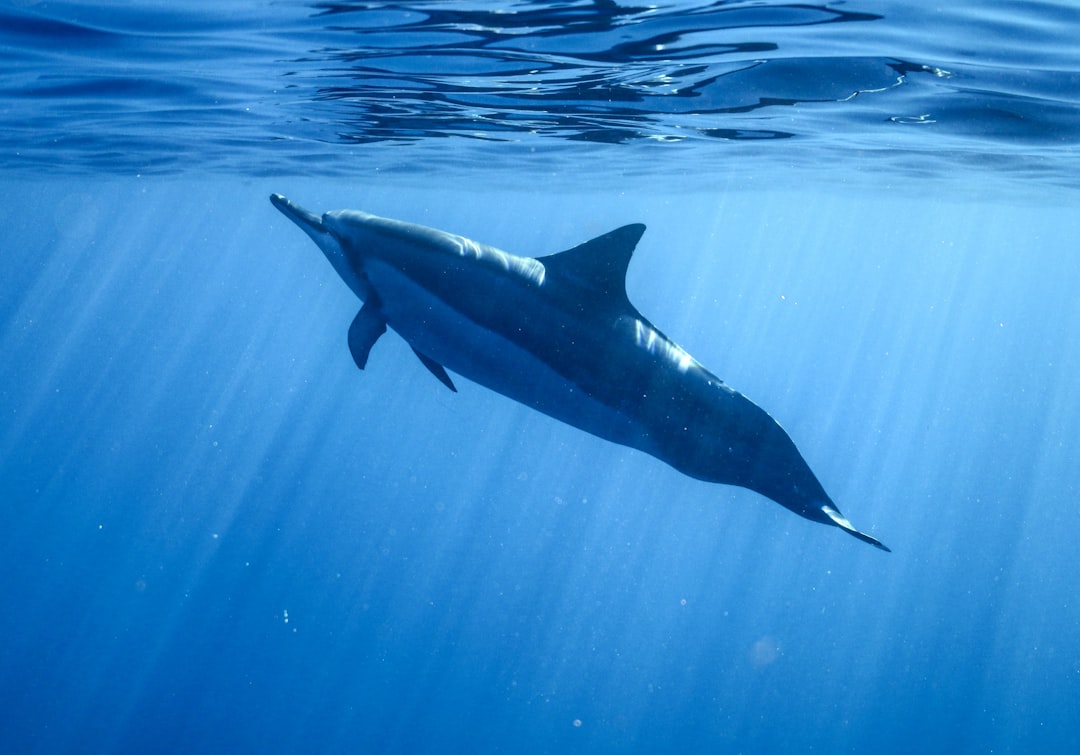
A breakthrough in marine mammal health surveillance can now detect deadly diseases in whales and dolphins across oceans, beaches, and remote locations—potentially preventing mass die-offs that have devastated populations worldwide.
Researchers at the University of Hawaiʻi at Mānoa developed a portable diagnostic system that identifies pathogens causing morbillivirus, toxoplasmosis, and other fatal infections in cetaceans. The technology, described in recent research, marks a critical advance in understanding and responding to disease outbreaks that kill thousands of marine mammals annually.
The Early Detection Breakthrough
"Current surveillance is essentially reactive—we often only discover disease when animals are already dying in large numbers," explained lead researcher Dr. Kristi West, director of the Marine Mammal Health and Stranding Laboratory. "This technology allows us to detect pathogens before they trigger catastrophic mortality events."
The system uses molecular diagnostic tools that can be deployed on research vessels, in coastal monitoring stations, or at stranding sites where sick animals come ashore. Previously, detecting diseases in marine mammals required transporting samples to specialized laboratories, often taking weeks and losing critical time during outbreaks.
The portable technology identifies genetic material from pathogens in tissue, blood, or even environmental samples, delivering results in hours rather than weeks. This speed is transformative for animals that live far from diagnostic facilities and populations that can decline rapidly during disease outbreaks.
Addressing Mounting Threats
Marine mammals face escalating disease risks from climate change, pollution, and shifting ocean conditions. Warming waters alter pathogen distribution, while environmental stressors weaken immune systems. Morbillivirus outbreaks—similar to measles in humans—have killed thousands of dolphins and seals in recent decades, with some populations still struggling to recover.
Toxoplasmosis, caused by a parasite typically associated with cats, has emerged as a significant threat to marine mammals. The parasite enters oceans through coastal runoff, infecting sea otters, dolphins, and endangered Hawaiian monk seals. Early detection could help identify outbreak sources and prevent transmission.