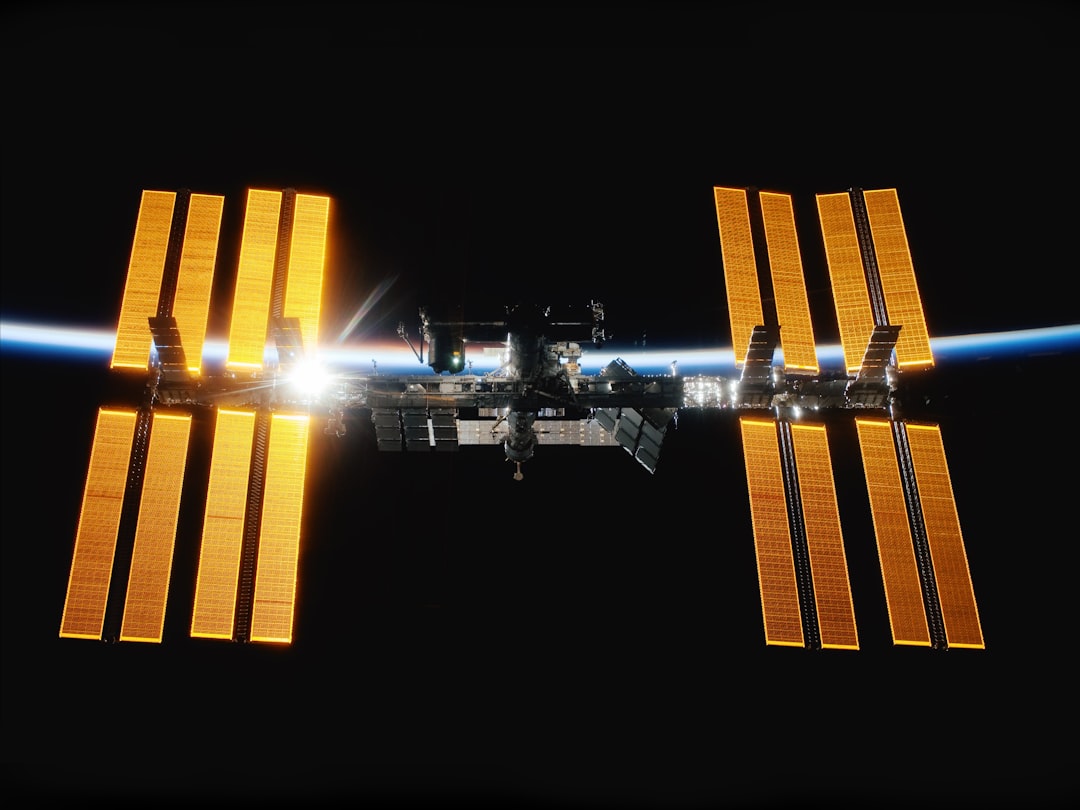
NASA's strategy for replacing the aging International Space Station with commercially-operated platforms has triggered opposition from both industry partners and Congress, threatening America's continuous presence in low-Earth orbit and revealing deep fissures over the future of human spaceflight.
The conflict centers on NASA's recent announcement that it would select just one company to develop a commercial space station rather than funding multiple competitors as originally planned. The decision has alarmed aerospace firms that invested hundreds of millions in development, congressional representatives worried about job losses, and space policy experts concerned about concentrating risk in a single provider.
"No one is happy with this approach," industry sources told Ars Technica. The backlash reflects the high stakes involved: the ISS is scheduled for deorbiting in the early 2030s, creating a tight timeline for developing, launching, and certifying a replacement before America loses its foothold in space.
NASA originally awarded development contracts to three companies—Blue Origin's Orbital Reef, Northrop Grumman's collaboration with Voyager Space, and Axiom Space's modular platform. The agency's shift to a winner-take-all selection process has companies scrambling to preserve their investments and congressional allies mobilizing to protect jobs in their districts.
The commercial space station program represents a fundamental shift in NASA's approach. Rather than owning and operating infrastructure as it did with the ISS, NASA would become an anchor tenant on privately-owned platforms, purchasing crew time and research capacity. The model promises cost savings and encourages commercial space economy development—but only if executed successfully.
In space exploration, as across technological frontiers, engineering constraints meet human ambition—and occasionally, we achieve the impossible. Yet the current controversy suggests NASA may have underestimated the political and technical complexity of transitioning from government-owned to commercial infrastructure for human spaceflight.