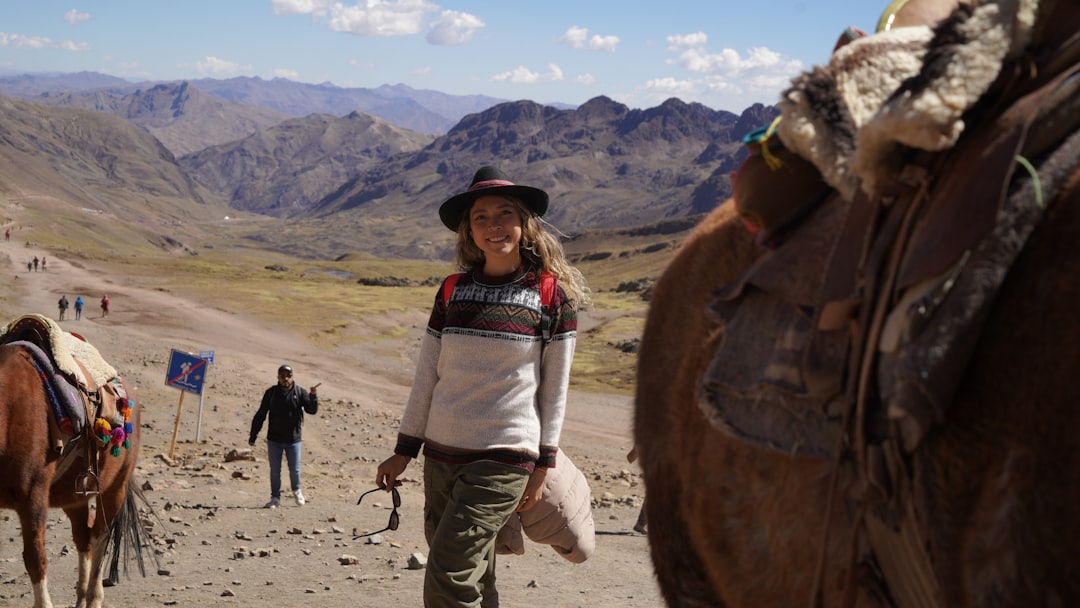
A hiking-focused couple with 6.5 weeks landing in Lima faces a classic backpacker dilemma: depth versus breadth. Stay entirely in Peru's trekking paradise, or extend into Bolivia's high country and Ecuador's volcanoes?
The couple, avid hikers who speak intermediate Spanish, could easily fill their entire time doing multi-day treks out of Cusco and Huaraz, plus visits to Arequipa and Puerto Maldonado. But Bolivia might be a once-in-a-lifetime destination, and that FOMO factor is powerful.
Their Reddit post outlines three options: stay entirely in Peru, head north from Huaraz into Ecuador to fly home from Quito, or skip Huaraz and head south from the Amazon to Bolivia, ending in Santiago.
Cost is a major consideration. They plan to travel slow and take some domestic flights, but adding multiple bus rides and plane tickets to see Bolivia/Chile versus staying in Peru changes the budget significantly.
The Peru-only option offers maximum depth. Cusco region alone has dozens of multi-day treks beyond the famous Inca Trail: Salkantay, Ausangate, Choquequirao, Lares Valley. Huaraz provides completely different high-altitude trekking in the Cordillera Blanca, with routes like Santa Cruz and Huayhuash.
With 6.5 weeks, they could do multiple treks in each region without rushing, spend time properly acclimatizing to altitude, and have flexibility for rest days or weather delays. Peru's trekking is legitimately world-class, and they'd barely scratch the surface even with this much time.
The Bolivia option adds genuine once-in-a-lifetime experiences: the Uyuni salt flats, La Paz's extreme altitude and cable car system, Lake Titicaca from the Bolivian side, and trekking in the Cordillera Real. Of all the countries under consideration, Bolivia would be hardest to return to, making the pull stronger.
But getting from Peru to Bolivia and then to Santiago for departure eats substantial travel time and budget. They'd be trading multiple Peru treks for fewer treks spread across more countries.
The Ecuador option presents different considerations. Current safety concerns and land border crossing at Mancora make the northern route less appealing. While Ecuador has incredible volcano trekking and the Quilotoa Loop, security issues in certain areas require careful planning.
Experienced South America travelers offer conflicting advice. Some say Peru alone justifies 6.5 weeks—there's no need to rush through multiple countries. Others argue that when you're already there and unsure when you'll return, seeing Bolivia makes sense despite the tradeoffs.
The slow travel preference they mentioned actually argues for staying in Peru. Slow travel means settling into places, developing routines, and experiencing destinations beyond surface tourism. Adding countries means more time in transit, more accommodation searches, more adjustment periods.
From a trekking perspective, Peru and Bolivia together offer more varied high-altitude experiences than Peru alone. But Peru alone offers deeper immersion in specific regions with better hiking infrastructure and trail options.
The budget question matters more than many travelers admit. Every additional border crossing, bus ticket, and flight increases costs. For backpackers watching spending, extracting maximum value from one country rather than spreading budget across three makes financial sense.
There's also the relationship dynamic. Six weeks is a long time to be constantly on the move with a partner. Having a solid base in Huaraz for two weeks, then another in Cusco, creates rhythm and reduces the friction of constant packing and logistics.
The best advice might be to ask: What do you actually want to do versus what do you feel you should do? If their passion is trekking, Peru delivers that without dilution. If their goal is seeing maximum South American diversity, adding Bolivia makes sense despite the tradeoffs.
The FOMO about Bolivia being once-in-a-lifetime is real, but so is the possibility of doing an excellent Peru trip now and returning for a dedicated Bolivia-focused trip later. Sometimes the best travel isn't about seeing everything at once—it's about experiencing what matters most deeply.