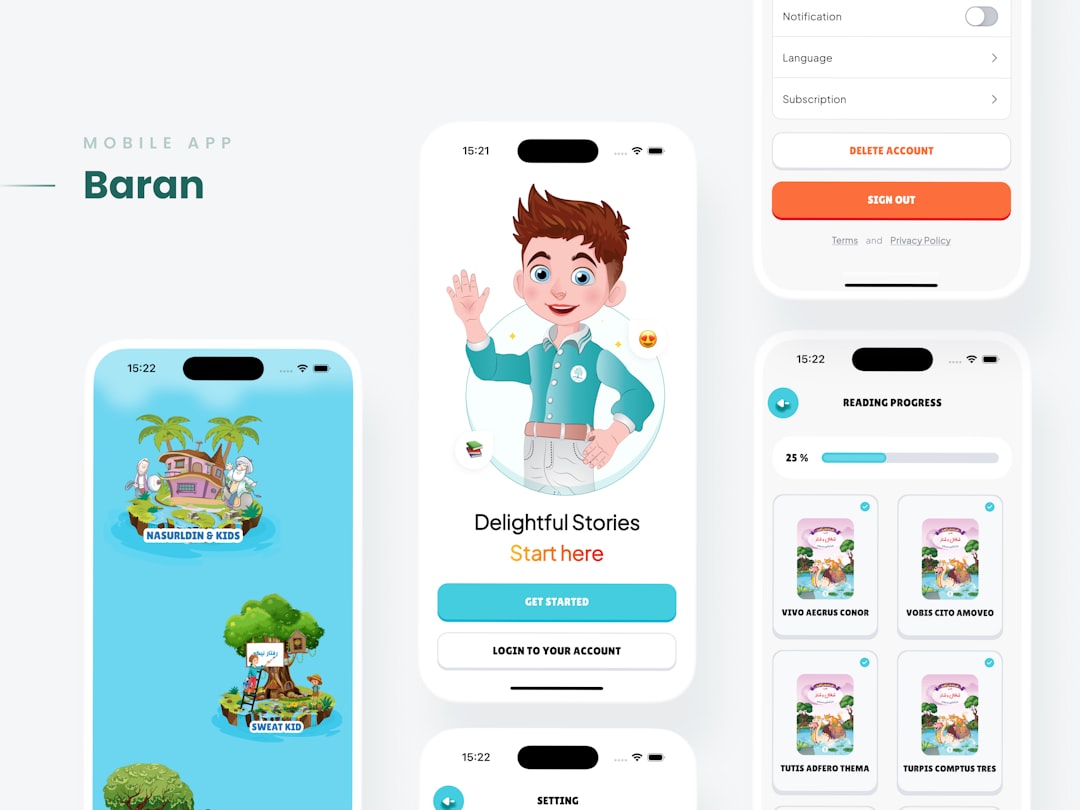
Lagos - Nigerian developers have launched Fibony, a new mobile application designed to teach Yoruba language to younger generations, addressing the accelerating decline of indigenous language proficiency among urban Nigerian youth.
The app, released last week on Apple's App Store, represents a fusion of cultural preservation and tech entrepreneurship—two forces driving innovation across Nigeria's dynamic startup ecosystem. The developers are actively seeking user feedback as they refine the platform's approach to making Yoruba language learning accessible and engaging.
"We just launched the app last week. We would love for people to try it out and get their feedback," the development team announced to the Nigerian tech community, encouraging users to spread the word if they find the app valuable.
The timing reflects growing concern about indigenous language decline in Nigeria, where English dominates education, business, and increasingly, home environments in urban centers like Lagos, Abuja, and Port Harcourt. Yoruba, one of Nigeria's three major languages alongside Hausa and Igbo, faces particular pressure in cosmopolitan areas where code-switching and English preference have become status markers.
In Nigeria, as across Africa's giants, challenges are real but entrepreneurial energy and cultural creativity drive progress. The Fibony launch demonstrates how Nigerian tech talent is applying digital solutions to cultural preservation—using the same innovation driving the country's fintech unicorns and e-commerce platforms to address heritage concerns.
Yoruba, spoken by an estimated 45-50 million people primarily in southwestern Nigeria and diaspora communities worldwide, has been classified by UNESCO as a language requiring safeguarding efforts. While not immediately endangered, linguists warn that urban migration, media influence, and educational policies favoring English are eroding intergenerational transmission.
The challenge is particularly acute among Generation Z Nigerians, many of whom understand but cannot fluently speak their parents' native languages. "My kids can barely greet their grandparents properly in Yoruba," one Lagos parent lamented in online discussions—a sentiment echoed across Nigerian communities grappling with cultural continuity.
Fibony joins a small but growing ecosystem of African language learning applications, including platforms for Swahili, Zulu, and Amharic. These digital tools recognize that younger Africans, comfortable with mobile technology, may engage with language learning through apps more readily than traditional classroom settings or family instruction.
The app's developers have not disclosed specific pedagogical approaches or features, but effective language learning platforms typically combine vocabulary building, grammar instruction, pronunciation guides, and interactive exercises. The challenge for Yoruba instruction includes teaching tonal distinctions—the language uses three distinct tones that change word meanings—which requires sophisticated audio components.
Beyond individual learning, language preservation efforts carry broader cultural implications. Yoruba serves as the vehicle for proverbs, oral histories, religious traditions, and artistic expressions including the globally influential Yoruba theatre tradition and contemporary Afrobeat music that often incorporates Yoruba lyrics.
The app launch also reflects Nigeria's maturing tech sector, where developers are increasingly building solutions for local cultural needs rather than merely adapting foreign models. This localization trend—from fintech serving informal economies to edtech addressing African curriculum requirements—demonstrates the sector's evolution beyond mere technology transfer.
"Please spread the word if you like the app," the developers emphasized, highlighting the grassroots marketing approach common among Nigerian startups that rely on community endorsement and word-of-mouth rather than large advertising budgets.
While Fibony's ultimate impact remains to be seen, its existence signals encouraging entrepreneurial attention to cultural preservation. Language learning apps cannot replace immersive family and community transmission, but they can supplement those efforts and reach digitally-native youth where they already spend significant time—on their mobile devices.
For a generation of young Nigerians navigating between global connectivity and cultural rootedness, tools like Fibony offer pathways to reclaim linguistic heritage without abandoning technological modernity—a balance that defines contemporary Nigerian identity.