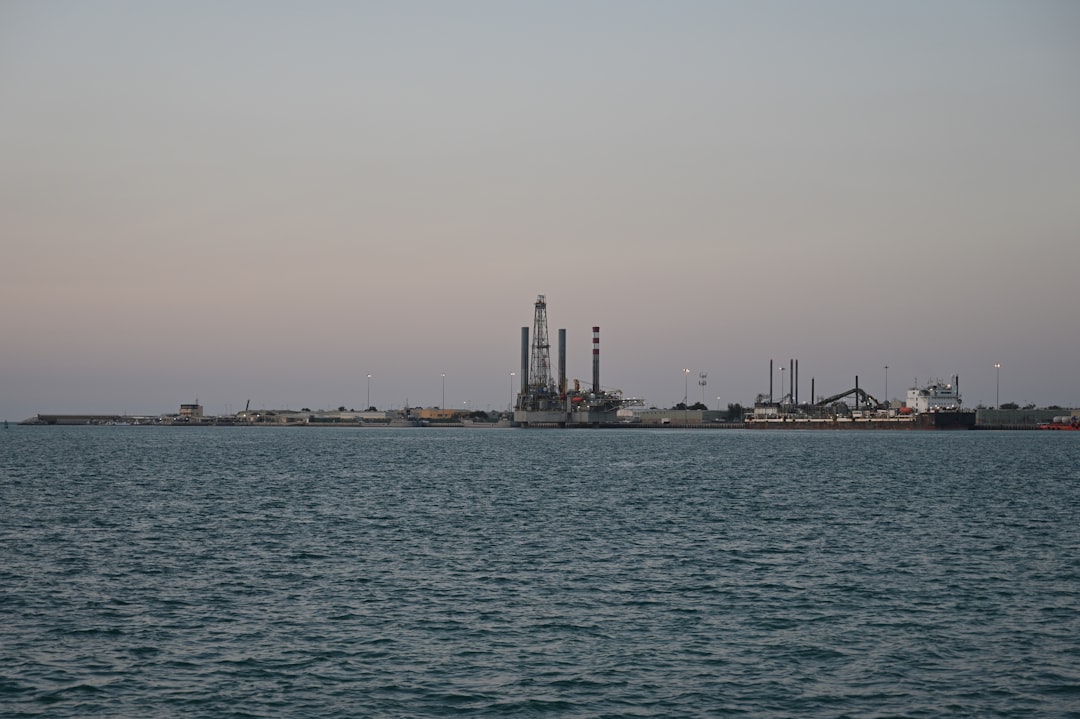
The World Trade Organization issued a stark warning this week: sustained high oil prices driven by the Iran conflict could "crimp" the artificial intelligence investment boom that's reshaping the global economy. It's the kind of second-order effect that markets tend to miss until it's too late.
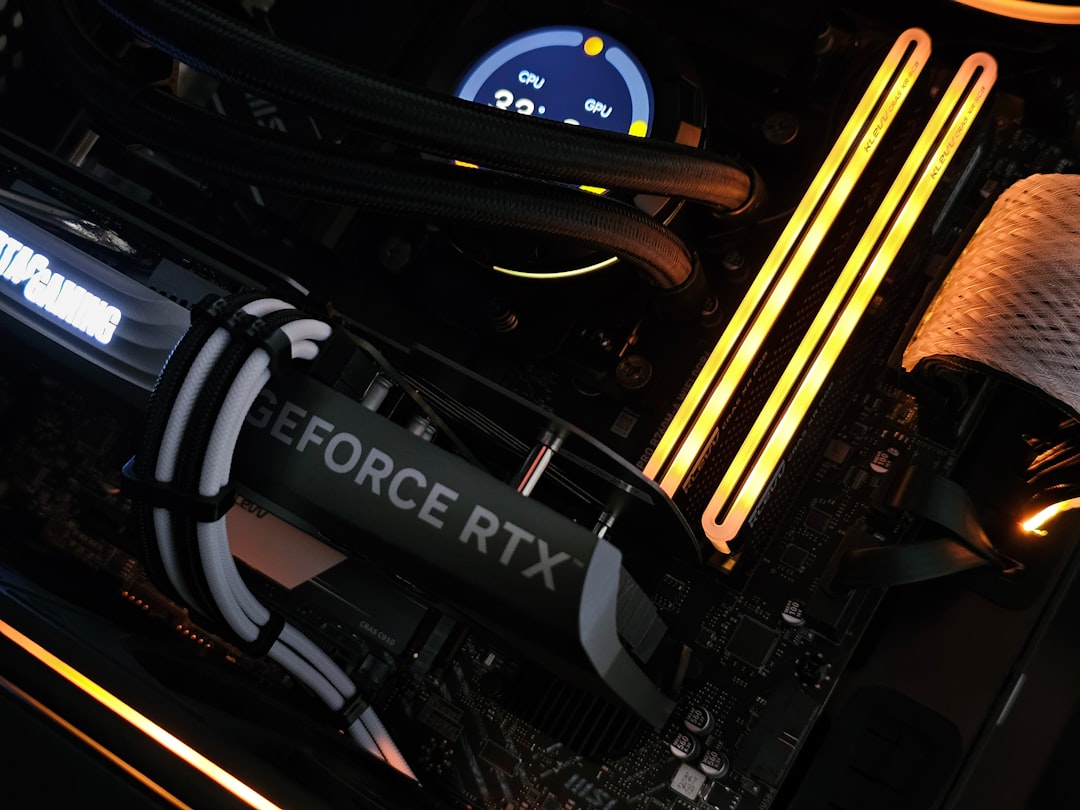
Here's the connection most investors aren't making: AI infrastructure is extraordinarily energy-intensive. Training a single large language model can consume as much electricity as hundreds of homes use in a year. Data centers running AI workloads draw massive power, and the next generation of AI chips from Nvidia, AMD, and others will only increase that demand.
When oil prices surge, electricity costs follow. Natural gas prices move in tandem with crude oil in many markets, and gas-fired power plants still provide a substantial portion of electricity in key AI investment hubs including the United States and parts of Asia. The WTO's analysis suggests that if Iran tensions keep crude above $100 per barrel for an extended period, the economics of building massive new data center complexes become significantly less attractive.
The numbers are sobering. Microsoft, Google, Amazon, and Meta have collectively announced over $200 billion in AI infrastructure spending through 2026. Much of that capital is earmarked for data centers packed with advanced chips. But these facilities already face scrutiny over their energy consumption. Rising electricity costs could force project delays or cancellations.
The WTO report, released alongside the organization's latest Global Trade Outlook, identifies energy costs as the primary near-term risk to continued AI investment growth. The analysis notes that while renewable energy could theoretically buffer some of the impact, the reality is that most large-scale data centers still rely heavily on grid power that includes fossil fuel generation.
Semiconductor manufacturing compounds the problem. Chip fabrication is even more energy-intensive than data centers. , the Taiwan-based foundry that produces the most advanced AI chips, consumes roughly 5% of 's entire electricity supply. Building new fabs to meet AI chip demand requires confidence in stable, affordable energy supplies. Sustained high oil prices undermine that confidence.