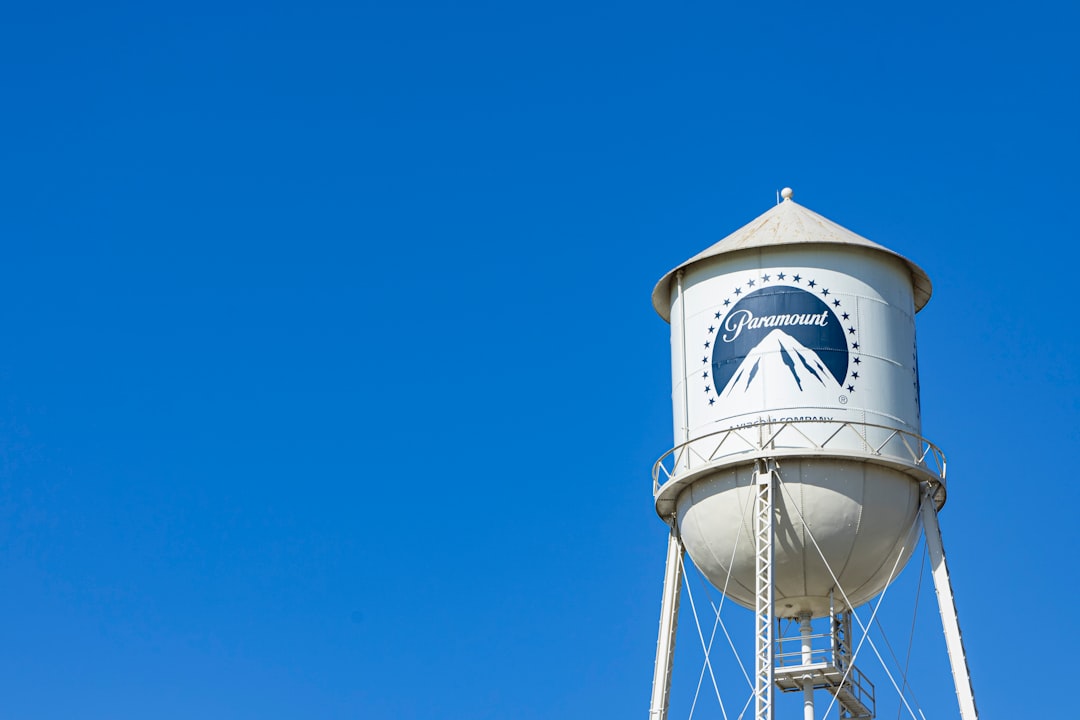
Paramount-Skydance has secured $24 billion in financing from sovereign wealth funds in Saudi Arabia, Qatar, and Abu Dhabi to fund a takeover of Warner Bros. Discovery, marking one of the largest media deals in history and a dramatic shift in Hollywood's ownership structure.
The deal represents a confluence of two powerful trends: Gulf states deploying oil windfalls to acquire strategic Western assets, and American media companies trading at distressed valuations after years of streaming wars and declining cable revenues. Cui bono? Middle East sovereign funds buying American cultural influence at fire-sale prices.
The financing package shows how completely the global capital flows have reversed. A decade ago, Hollywood studios raised money from Wall Street and reinvested profits globally. Today, Gulf petrodollars are buying Hollywood itself while U.S. capital markets face their own liquidity challenges.
Warner Bros. Discovery has been struggling under $40 billion in debt following the 2022 merger of WarnerMedia and Discovery. The combined entity never achieved the streaming scale of Netflix or Disney+, while traditional cable revenues collapsed faster than expected. The result: a sprawling media empire with valuable IP, solid cash flow, and a market capitalization far below replacement value.
That's exactly the profile that attracts sovereign wealth funds with decade-long investment horizons. Saudi Arabia's Public Investment Fund, Qatar Investment Authority, and Abu Dhabi's Mubadala are not looking for quick flips. They're buying strategic assets while Western capital is scarce and prices are depressed.
The geopolitical implications are significant. Warner Bros. owns HBO, CNN, the DC Comics universe, and one of Hollywood's major film studios. Control over American media narratives, even indirect control through board representation and financing structures, gives Gulf states soft power that oil exports alone never provided.
From a purely financial perspective, the deal makes sense. Middle East funds are earning single-digit returns on Treasury securities in a market where foreign demand is weakening. Meanwhile, Warner Bros. generates $10 billion in annual revenue with iconic franchises that have decades of monetization runway. The valuation gap is obvious.
For Paramount-Skydance, the $24 billion war chest solves multiple problems simultaneously. It funds the Warner Bros. acquisition, provides capital to pay down debt, and bankrolls the streaming investments necessary to compete with Netflix. The combined entity would control a massive content library spanning Paramount, Warner Bros., HBO, and Discovery programming.
The timing is not coincidental. This deal closes during a period when oil prices are elevated from the Iran conflict, Gulf state revenues are surging, and American media assets are cheap. That's the definition of buying low, enabled by the breakdown of the petrodollar system that once recycled those oil revenues back into U.S. Treasuries instead of Hollywood studios.
The numbers don't lie: when sovereign wealth funds shift from passive Treasury buyers to active acquirers of American strategic assets, something fundamental has changed in global capital flows. This is what the post-petrodollar world looks like.