Donald Trump has long favored Florsheim shoes, the Wisconsin-based shoemaker whose leather dress shoes have been a staple of his wardrobe for years. Now, the company is suing his administration for a refund on tariffs paid under his own trade policies.
The irony is rich, but the business reality is straightforward: Florsheim, owned by Illinois-based Weyco Group, has filed suit in the U.S. Court of International Trade seeking to recover duties paid on shoe imports from China. The case highlights a fundamental disconnect between campaign rhetoric about bringing manufacturing home and the messy reality of global supply chains.
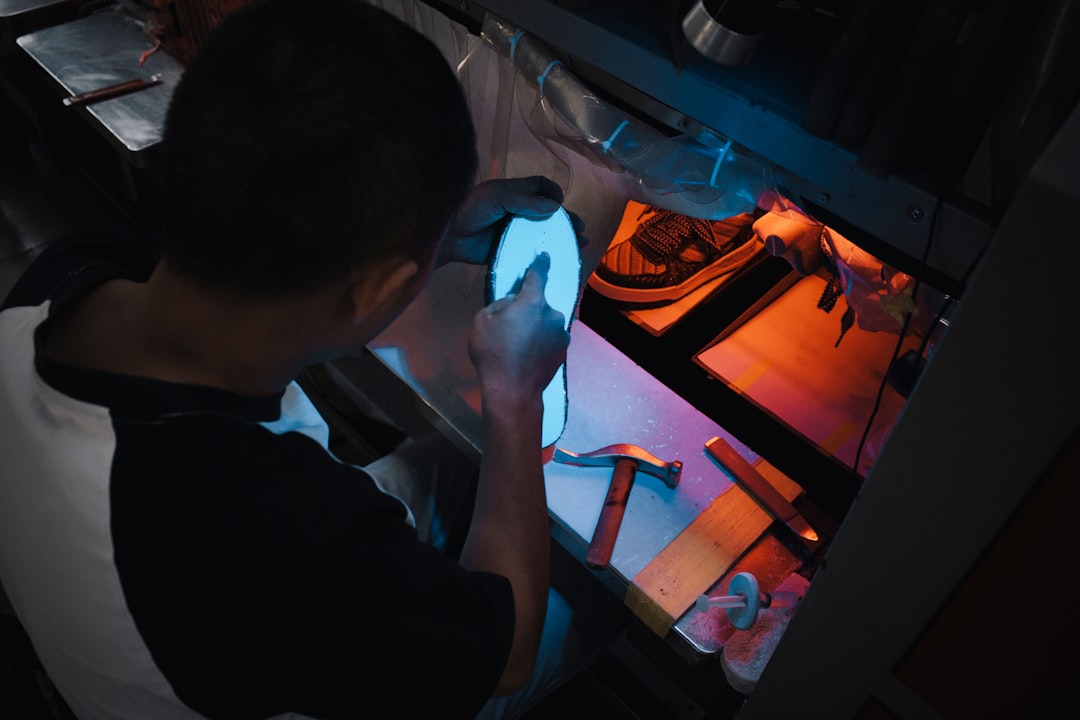
The "Made in America" problem nobody talks about. Florsheim manufactures some shoes domestically at its Wisconsin facility, but like virtually every major footwear brand, relies heavily on overseas production. The economics are unforgiving: labor costs in China and Southeast Asia run a fraction of U.S. wages, and the specialized supply chains for leather tanning, sole manufacturing, and component production have migrated overseas over decades.
The company's lawsuit argues that certain shoe imports were incorrectly classified and subjected to tariffs when they should have been exempt. It's a technical legal dispute, but it underscores a larger truth: even companies with domestic facilities can't simply flip a switch and onshore their entire supply chain.
Cui bono? The tariffs were sold as protecting American manufacturing jobs, but the footwear industry tells a different story. The Footwear Distributors and Retailers of America estimates that shoe tariffs cost consumers billions annually, while domestic manufacturing employment in the sector remains minimal. Wisconsin still has some shoemaking jobs, but they're a shadow of the industry's mid-century peak.
What makes this case particularly notable is the awkward optics. The president's favorite shoe brand is essentially saying his trade policy costs them money without delivering the promised benefits. That's not a political statement, it's a balance sheet reality.
The lawsuit is one of numerous challenges footwear and apparel companies have filed against tariff classifications. Most settle quietly or result in modest refunds. But this one carries symbolic weight: if even the companies that still manufacture domestically can't make the tariff math work, who exactly benefits from these policies?
The numbers don't lie. Weyco Group reported that tariffs have meaningfully impacted margins, even as the company maintains its Wisconsin manufacturing presence. The suit seeks to recover what the company views as improperly assessed duties, which could amount to hundreds of thousands of dollars.
For an administration that positioned itself as champion of American manufacturing, having a signature Wisconsin manufacturer challenge its trade policy in court is an uncomfortable development. But in business, sentiment takes a back seat to spreadsheets. And the spreadsheets say these tariffs aren't working as advertised.