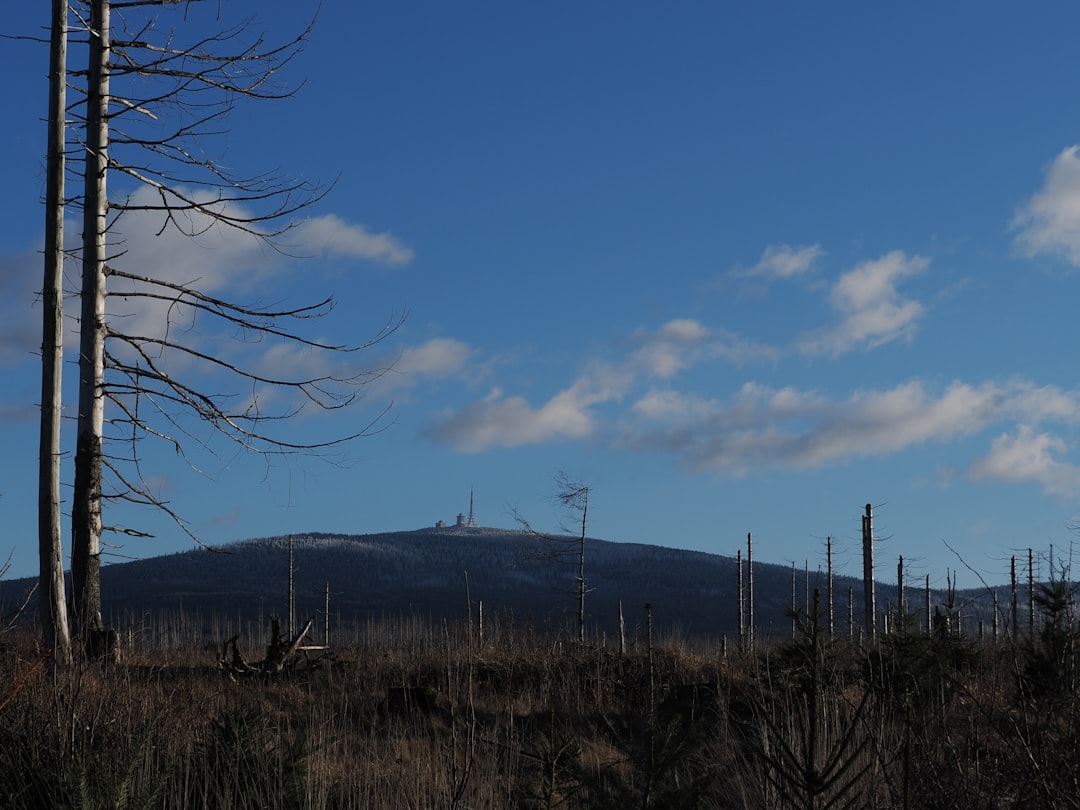
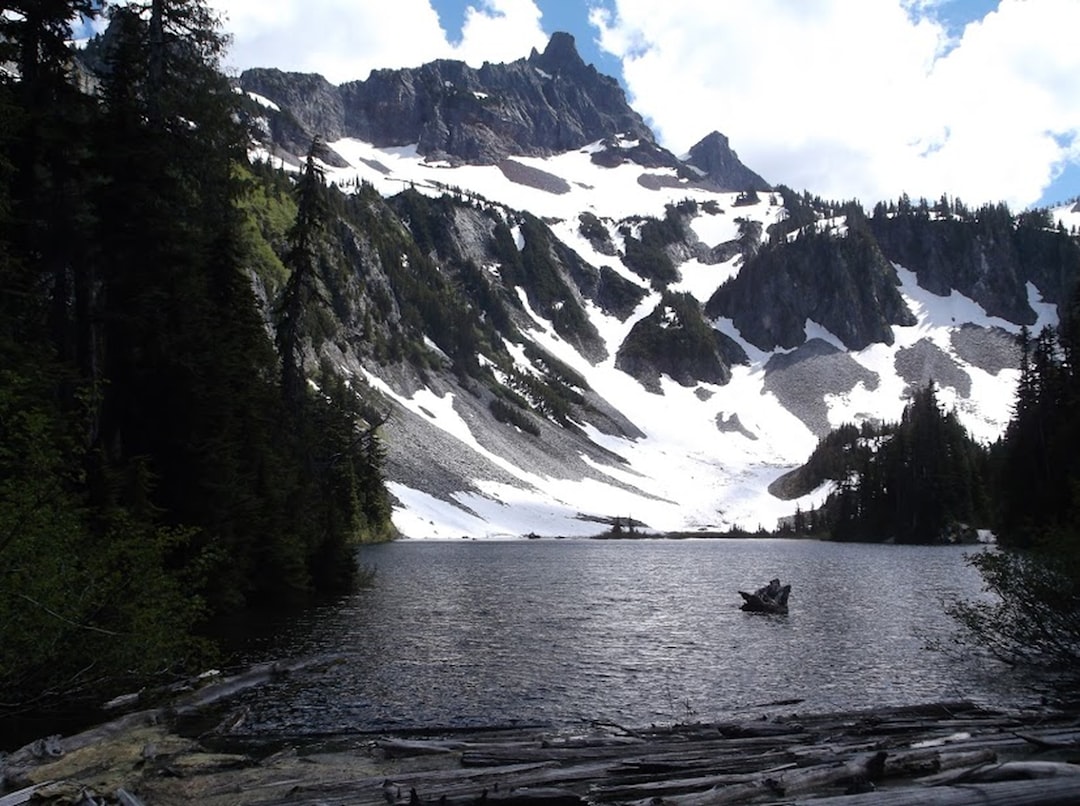
Wildfire damage extends far beyond visible destruction, new research reveals—burned forests lose snowpack up to three weeks earlier than unburned areas, triggering cascading impacts across watersheds that wildlife depend upon for survival.
The accelerated melting occurs because ash and soot deposited on snow surfaces absorb more solar radiation, warming snowpack and hastening its transformation from slow-release reservoir to sudden runoff. This disruption affects the intricate timing that ecosystems have evolved around for millennia: salmon migrations coordinated with spring flows, wildflowers blooming as moisture becomes available, hibernating animals emerging when water and food sources reliably appear.
In nature, as across ecosystems, every species plays a role—and humanity's choices determine whether the web of life flourishes or frays. Snowpack functions as natural infrastructure: storing winter precipitation and releasing it gradually through spring and summer, sustaining rivers and wetlands during otherwise dry months. When wildfires disrupt this ancient rhythm, the consequences ripple through food webs in ways scientists are only beginning to document.
Researchers studying watersheds across California, Oregon, and Washington found that early snowmelt reduces summer stream flows by up to 40% in fire-affected basins. This timing shift proves devastating for species with inflexible life cycles. Salmon fry, for instance, require cold, flowing water during specific developmental windows. When snowmelt arrives weeks early and summer streams run low or warm beyond tolerance, entire year-classes can fail.
Riparian vegetation—willows, cottonwoods, and sedges lining waterways—suffers similarly. These plants time their growth to coincide with predictable moisture availability. Early snowmelt means water arrives before growing seasons begin, then disappears before roots fully establish. As riparian corridors decline, so do the countless species depending on them: nesting birds, amphibians, aquatic insects, and mammals seeking water and shelter.
"We're seeing ecosystem disruption beyond the burn perimeter," explains one watershed ecologist. "Fire damage persists in altered hydrology for years, sometimes decades, reshaping habitats far downstream from where flames ever touched."