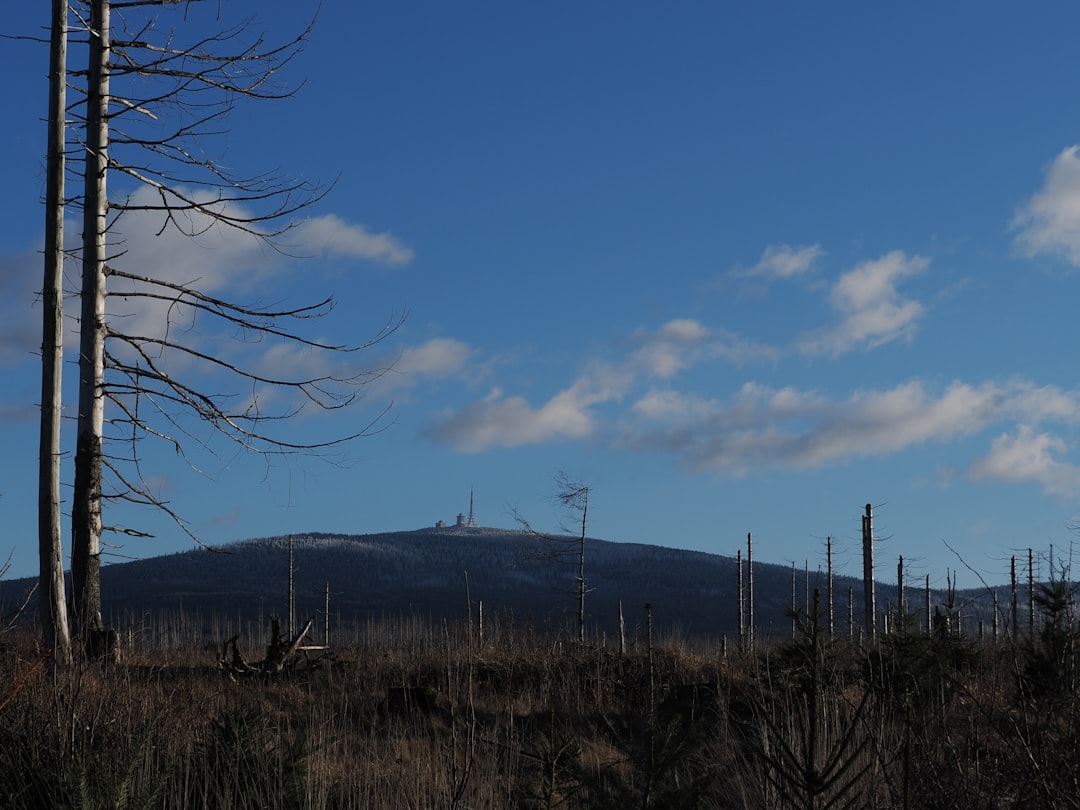
More than 800,000 trees planted under the UK government's flagship reforestation programme died within a year, raising urgent questions about whether ambitious tree-planting targets prioritize speed over ecological success.
The losses, revealed through government data, represent more than a quarter of the three million saplings planted last year across England. The failure highlights a disconnect between political commitments to expand woodland and the complex realities of successful habitat restoration—where choosing the right species, preparing appropriate sites, and providing long-term aftercare matter far more than headline numbers.
In nature, as across ecosystems, every species plays a role—and humanity's choices determine whether the web of life flourishes or frays. Reforestation works only when it mimics natural processes: diverse native species suited to local conditions, planted at appropriate densities, and protected during vulnerable early years. When governments treat tree planting as a public relations exercise rather than ecological restoration, forests fail to take root—literally.
Conservation experts point to several systemic failures. Many saplings were planted in inappropriate locations without adequate soil preparation or protection from grazing animals. Others consisted of non-native species poorly adapted to local climate conditions. Perhaps most critically, insufficient funding for ongoing maintenance meant young trees lacked water during drought conditions and faced competition from invasive grasses that should have been managed.
"This isn't just wasteful—it actively undermines public confidence in nature restoration," said one forestry specialist familiar with the programme. "When people see dead trees, they assume reforestation doesn't work, when the real problem is doing it badly."
The losses contrast sharply with successful community-led rewilding projects across Scotland and Wales, where careful species selection, volunteer stewardship, and long-term monitoring have achieved survival rates above 90%. These initiatives demonstrate that effective habitat restoration requires sustained commitment beyond initial planting ceremonies.