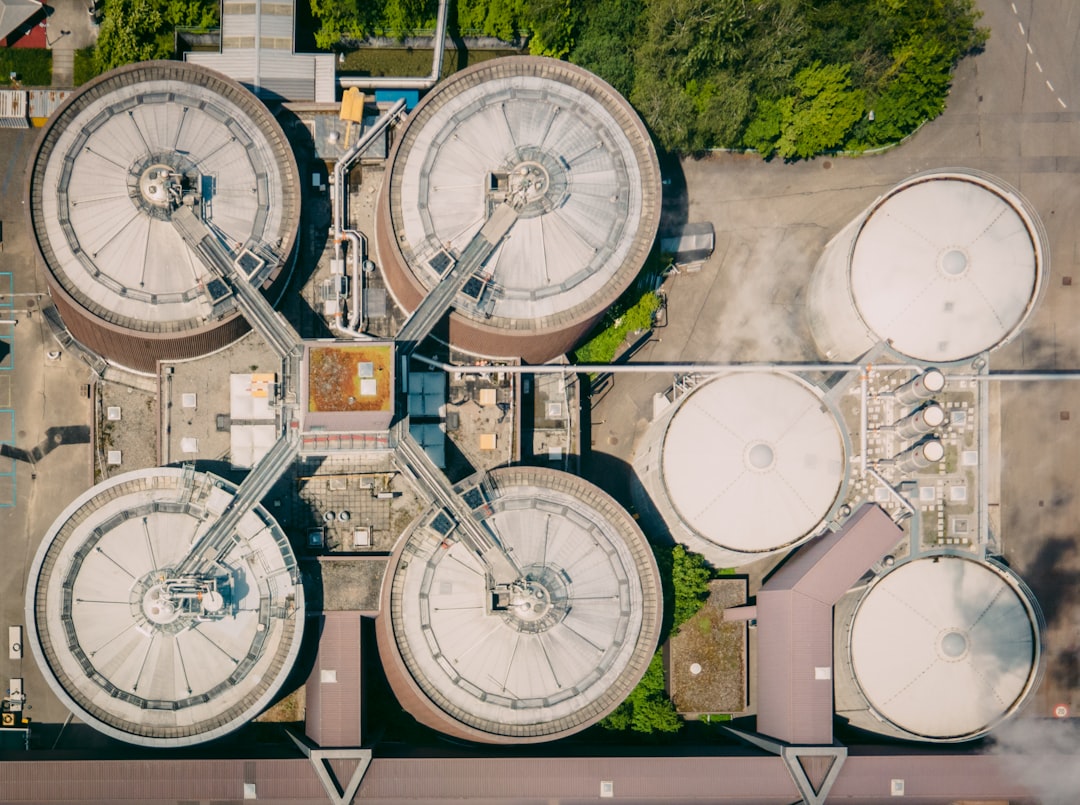
Public health experts warn the Moa Point wastewater treatment disaster reveals systemic underinvestment in critical infrastructure across New Zealand, with raw sewage flowing into Wellington harbour as a symptom of decades of deferred maintenance and climate adaptation failure.
The crisis at Moa Point, reported by RNZ, is more than a local emergency. It's a visible manifestation of infrastructure decay that experts say extends across New Zealand's three waters systems and beyond.
Mate, when the capital city can't keep sewage out of the harbor, that's not just an operational failure. That's a signal about infrastructure investment priorities across the country. And if Wellington has this problem, smaller communities are in worse shape.
The immediate problem at Moa Point is equipment failure and capacity issues during heavy rain. But the underlying problem is decades of underinvestment in wastewater infrastructure while populations grew and climate change intensified storm events.
New Zealand's three waters infrastructure - drinking water, wastewater, and stormwater - faces a massive maintenance backlog. Councils have deferred upgrades because ratepayers resist rate increases and central government hasn't provided adequate funding.
The result is aging pipes, outdated treatment plants, and systems designed for yesterday's population and climate. When heavy rain hits, as it increasingly does, systems fail. Sewage overflows into waterways. Public health is compromised.
The Wellington crisis has particular regional significance. Pacific Island nations look to New Zealand as a development model and infrastructure partner. If Wellington's sewage system fails, what does that say about New Zealand's capacity to support Pacific infrastructure?
Public health experts interviewed by RNZ emphasize that Moa Point isn't exceptional - it's typical. Similar infrastructure vulnerabilities exist across , and climate change is exposing them faster than authorities can respond.