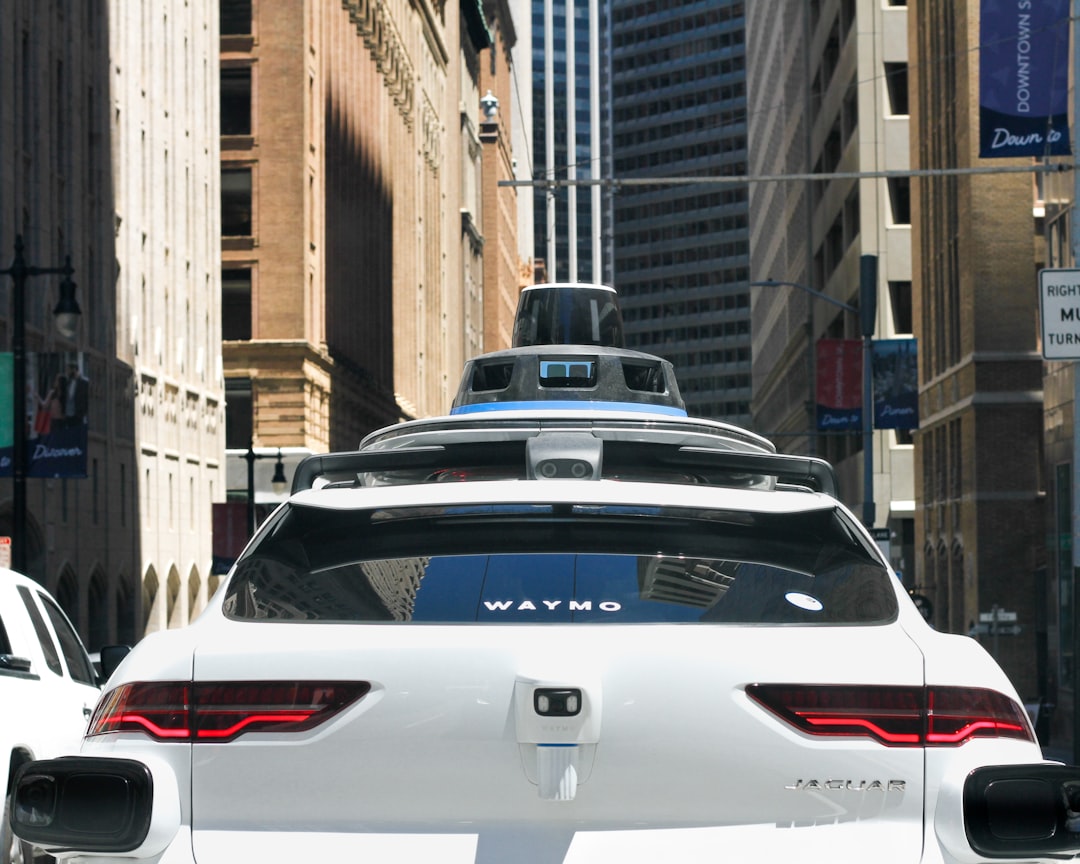
The NTSB says Waymo robotaxis have illegally passed stopped school buses in multiple new incidents, raising fresh safety concerns about autonomous vehicles operating in environments with children.
This isn't a theoretical edge case or a once-in-a-million-miles anomaly. It's a repeated, documented pattern of self-driving cars failing to follow one of the most basic—and most strictly enforced—traffic laws in the United States.
The technology is impressive. The problem is that "impressive" doesn't mean "ready."
Waymo has logged millions of autonomous miles and has one of the best safety records in the industry. They've invested billions in sensor technology, simulation, and real-world testing. And yet their vehicles are still blowing past stopped school buses with flashing red lights and extended stop signs.
The reason this matters goes beyond traffic violations. Passing a stopped school bus is dangerous specifically because children are often crossing the street. The assumption baked into traffic law is that when a school bus stops, drivers need to stop too—not because the bus is blocking the road, but because a kid might step out at any moment.
Human drivers understand this implicitly. Autonomous systems apparently don't, or at least not reliably.
The NTSB's report doesn't specify exactly what went wrong, but I'd bet on one of two failure modes. Either Waymo's perception system isn't correctly identifying school buses with their specific visual signature (yellow paint, flashing lights, stop signs), or the planning system is identifying them but not assigning appropriate behavior.
Both are alarming in different ways. If it's perception, that suggests fundamental gaps in how these systems classify critical objects in their environment. If it's planning, that suggests the AI doesn't have an adequate model of traffic rules and their underlying purpose.
Waymo will almost certainly issue a software update that fixes this specific scenario. They'll add more training data of school buses. They'll tweak the rule engine to be more conservative around yellow vehicles with flashing lights. The immediate problem will get patched.
But that's exactly the issue with the current approach to autonomous vehicles. We're finding and fixing edge cases one deadly scenario at a time. Every NTSB report is a post-mortem on something that already happened, not a preview of risks that haven't materialized yet.
The autonomous vehicle industry loves to point out that human drivers cause tens of thousands of deaths per year. And they're right! But the standard for replacing human drivers can't just be "slightly better than average." It needs to be "dramatically and consistently safer," especially in scenarios involving vulnerable populations like children.
What frustrates me about this incident is that it was preventable. School buses aren't a new invention. The laws around them are decades old. This isn't some weird edge case involving construction equipment or unusual weather. It's a known, common, heavily regulated scenario.
If Waymo—which has more resources, better technology, and stricter testing than almost anyone in the industry—can't get this right, what does that say about the timeline for truly safe autonomous vehicles?
The counter argument, which Waymo will likely make, is that their overall safety record is still better than human drivers, even accounting for these incidents. And statistically, they might be right. But statistics don't matter much to parents watching a robotaxi blow past their kid's school bus.
The technology is impressive. But until it can reliably handle the stuff we teach teenagers in driver's ed, maybe it's not ready to operate unsupervised on public roads.