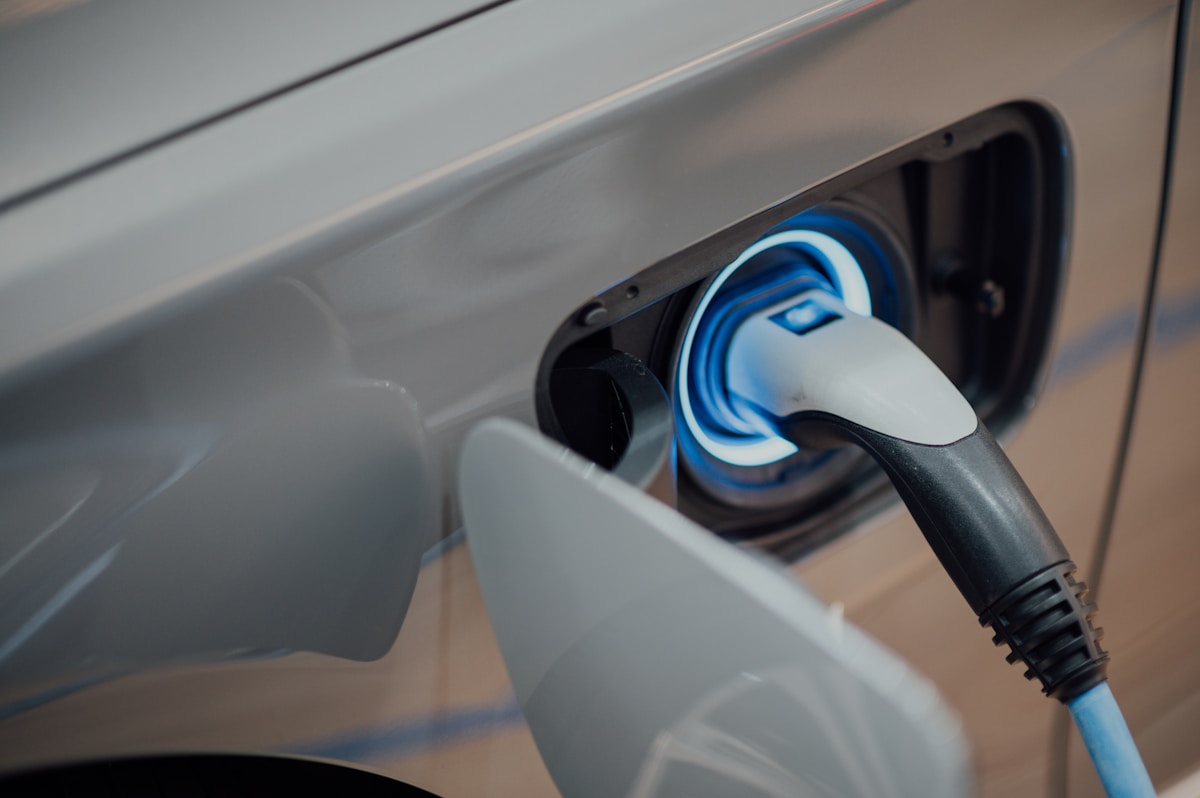
Volvo's CEO predicts electric vehicles will achieve price parity with internal combustion cars by 2031, driven by battery cost reductions and manufacturing scale. The projection comes as EV adoption faces headwinds from charging infrastructure concerns and market uncertainty.
Five years is a concrete timeline, not the usual "someday" promise. If Volvo is right, we're looking at the real tipping point for EV adoption - not subsidies, not environmental concerns, just basic economics. But the industry has made bold predictions before. Let's look at the actual cost curves to see if this one holds up.
According to The Drive, Volvo CEO Jim Rowan stated that EVs will "probably" cost less than comparable gasoline vehicles within five years, driven primarily by falling battery costs and increased manufacturing efficiency.
Battery costs have been the main factor keeping EVs expensive. An EV powertrain is actually simpler and cheaper to manufacture than an internal combustion engine with its thousands of moving parts. The expensive part has always been the battery pack, which represents roughly 30-40% of an EV's total cost.
But battery costs have been falling steadily for years, following a similar curve to solar panels and other technologies that get cheaper as manufacturing scales up. Industry data shows battery pack costs have dropped from over $1,000 per kilowatt-hour a decade ago to around $130-150 per kWh today. Most analysts predict costs will hit $100 per kWh within the next few years, and that's widely considered the threshold for price parity.
If battery costs keep falling - and manufacturing scales continue increasing - then Volvo's timeline is plausible. Not certain, but plausible.
The counterargument is that we've heard these predictions before. Every few years, someone in the auto industry announces that EVs will be cheaper than gas cars "soon," and then it doesn't happen quite as fast as predicted. Battery costs have been falling, but not always as quickly as projections suggested.