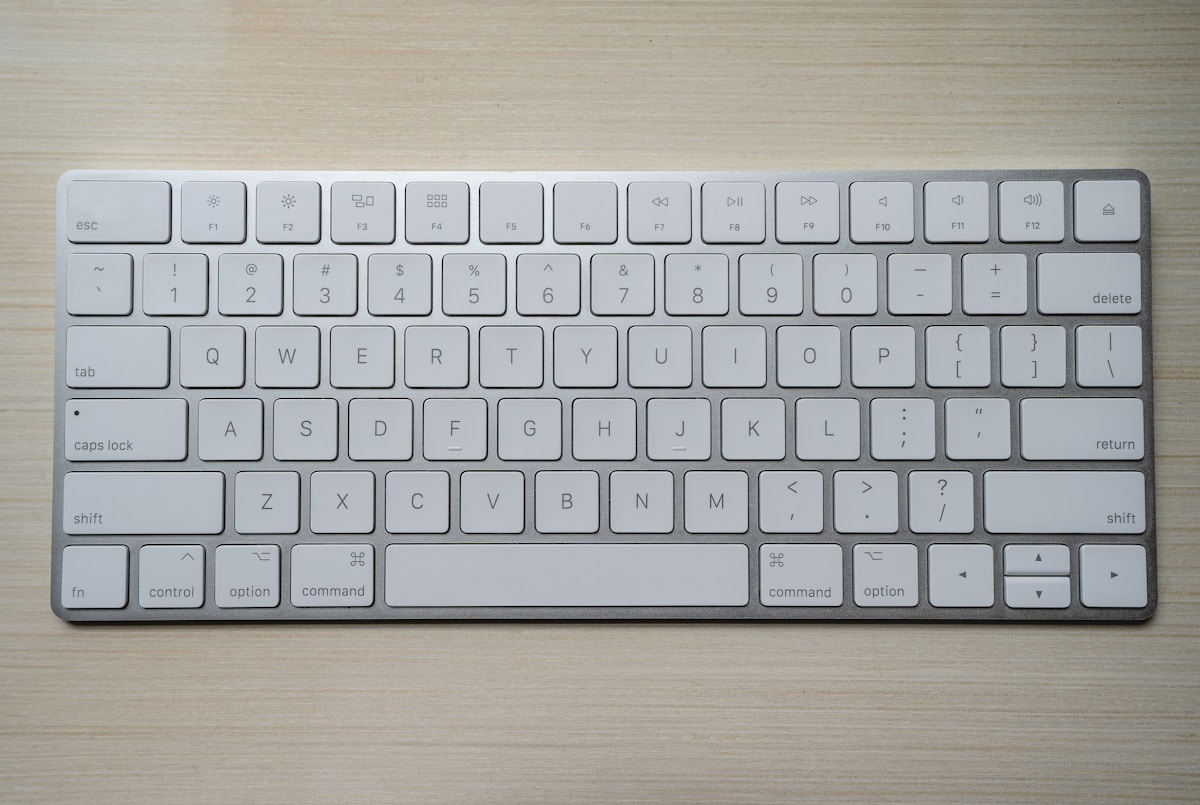
Framework, the company that's been making actually-repairable laptops, is now building its own mechanical keyboard—and they're releasing the design files so users can build their own. It's the right-to-repair philosophy applied to peripherals, and it's exactly the kind of product philosophy the industry needs more of.
This is what sustainable tech looks like. Not greenwashing. Not carbon offset PR campaigns. Actual products designed to be fixed, modified, and upgraded by the people who own them. Framework keeps proving you can build real products this way and run a viable business. The question is whether anyone else will follow.
The Framework Wireless Touchpad Keyboard isn't just another mechanical keyboard with hot-swappable switches. Framework is taking the modular, repairable design philosophy that made their laptops distinctive and applying it to a peripheral that most people treat as disposable.
Most keyboards are sealed units. When something breaks—a failed switch, a dead USB port, a worn-out battery—you throw the whole thing away and buy another. Framework's approach is different: replaceable components, published schematics, and an explicit commitment to making repair feasible.
But here's what makes this actually interesting: Framework isn't just selling you a repairable keyboard. They're releasing the full design files so anyone can manufacture their own. Want to modify the layout? Add custom features? Build a completely different form factor using Framework's modular components? Go ahead.
This is open-source hardware done right. Not just "here's the schematic for a product we don't actually sell," but "here's the complete design for a commercial product we're actively shipping, and you can use it however you want." That's a fundamentally different relationship between manufacturer and user.
The right-to-repair movement has mostly focused on smartphones and laptops—expensive devices where repair costs can be justified. But the logic extends to everything electronic. If we're serious about reducing e-waste and building sustainable tech, we need to design products for longevity and repair across all categories.
Peripherals are a perfect test case. The keyboard and mouse markets are dominated by sealed, unrepairable products designed for 2-3 year lifespans. Framework is demonstrating an alternative: products designed to last indefinitely through repair and upgrade.
Will this succeed commercially? That's the real test. Framework's laptops found a devoted but niche audience. Repairable products appeal to technically sophisticated users who value longevity over convenience. That's not most consumers.
But it doesn't need to be most consumers. If Framework can build a sustainable business serving the 5-10% of buyers who care about repairability, they prove the model works. Other manufacturers might notice. And even if they don't, at least there's one option for people who want products they can actually own and maintain.
The cynical take is that this is a boutique product for enthusiasts that will never achieve mainstream adoption. The tech industry has trained consumers to expect disposable electronics refreshed every few years. Fighting that inertia requires changing not just products but entire market expectations.
The optimistic take is that Framework is building the template for what comes next. As resource constraints tighten and e-waste problems worsen, the disposable electronics model becomes less viable. Companies that already know how to design for longevity and repair will have an advantage.
I'm cautiously optimistic. Framework has consistently delivered on their promises. Their laptops work well, the modular system functions as advertised, and they've maintained parts availability and support. If they can execute the same way with peripherals, it validates the broader approach.
The technology isn't even that impressive—it's a keyboard with good engineering and smart design philosophy. But sometimes the most important innovation isn't the flashiest technology. It's recognizing that we can build products differently if we choose to.
Framework keeps making that choice. Eventually, maybe others will too.