A 28-year-old single father planning to relocate to Vietnam with his child highlights the growing challenges facing digital nomad families as remote work lifestyle content increasingly fails to address family-specific needs.
The r/digitalnomad post seeking "real experiences from people there" reveals questions around schools, healthcare access, and work-life balance that go far beyond typical nomad concerns about wifi speed and coworking spaces.
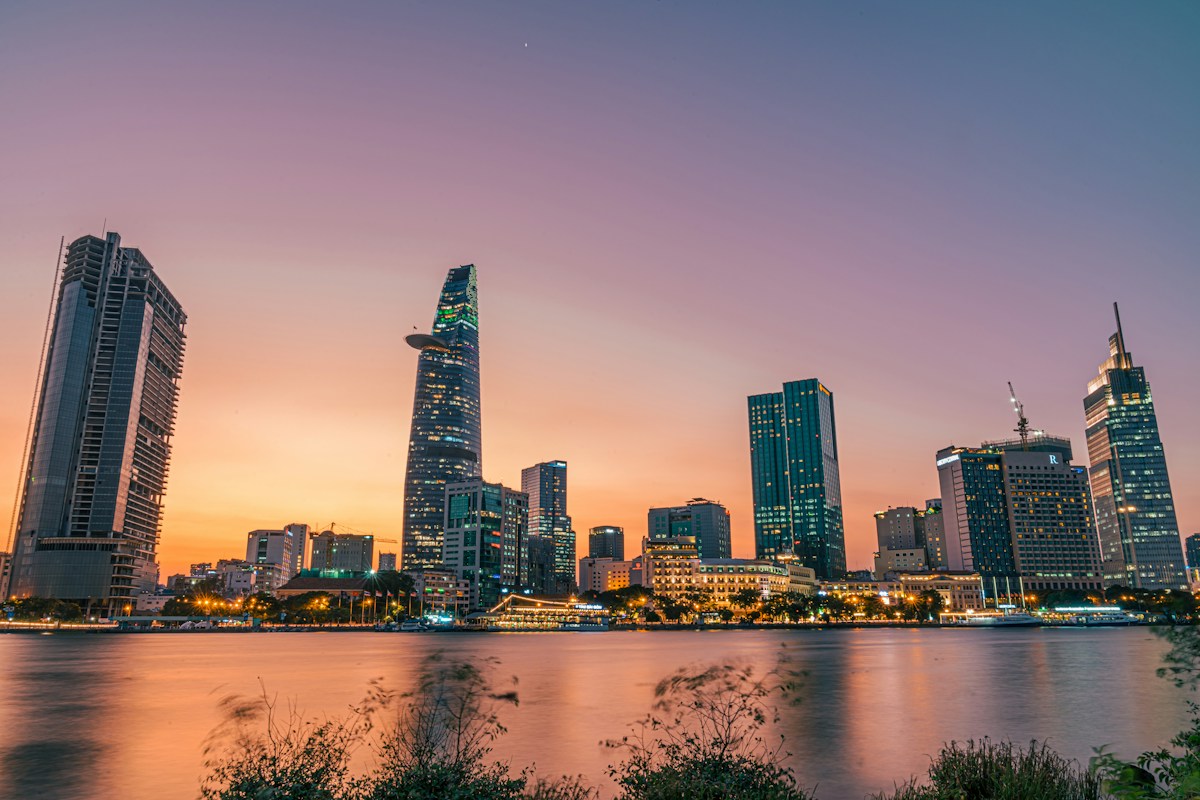
With areas like Phu My Hung in District 7 of Ho Chi Minh City drawing family-oriented remote workers, Vietnam is emerging as a test case for whether the digital nomad lifestyle can successfully scale to families.
The Family-Nomad Gap
The vast majority of digital nomad content targets solo travelers or couples without children. Families face entirely different challenges:
- International school costs: Often $10,000-20,000+ annually per child, eliminating much of the financial arbitrage - Healthcare access: Emergency pediatric care and specialist availability become critical - Stability vs. flexibility: Children benefit from routine and consistent friendships, conflicting with the nomadic lifestyle - Work-life balance: Childcare while working remotely in unfamiliar environments - Visa complications: Dependent visa requirements vary significantly
Vietnam as a Family Destination
Vietnam offers several advantages for families: relatively low cost of living (outside international school fees), excellent street food culture, safe urban environments, and growing expat communities providing support networks.
District 7's Phu My Hung area has established itself as the de facto expat family zone in Ho Chi Minh City, with international schools, Western-style supermarkets, and family-friendly infrastructure. However, this convenience comes at premium pricing that approaches Western cost levels.