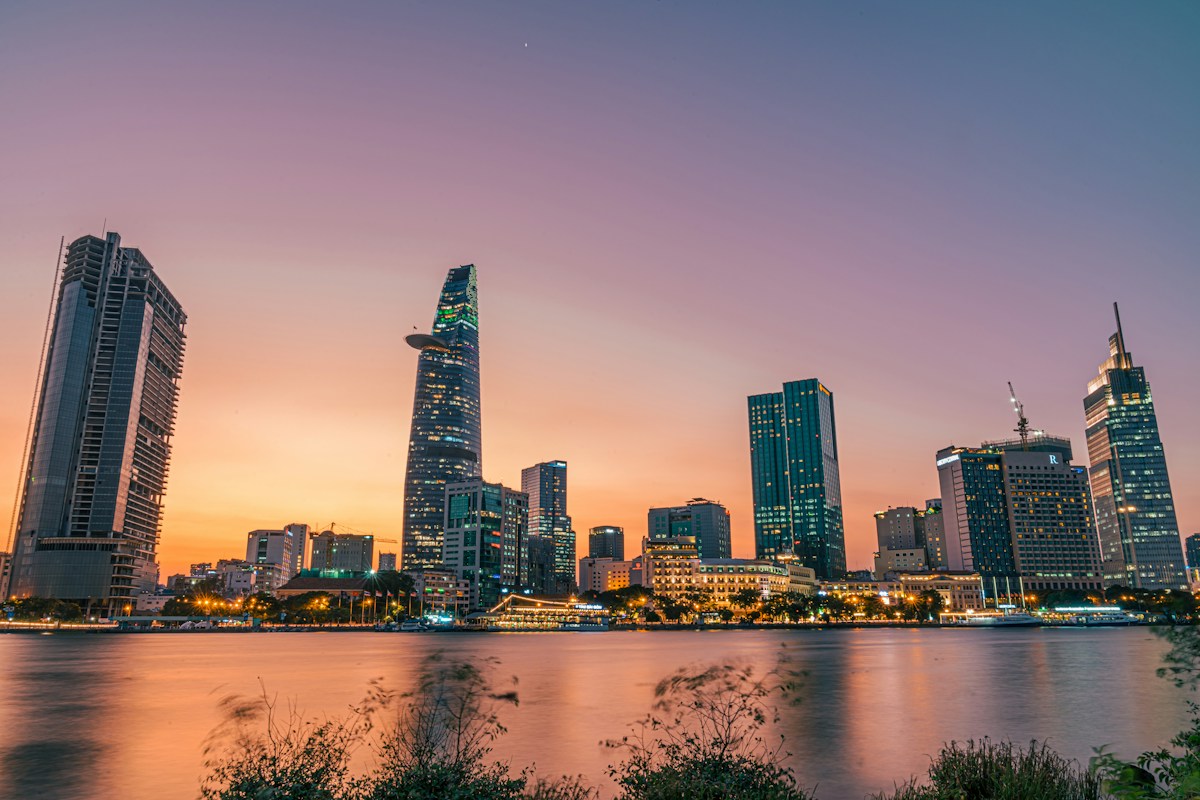
A massive beachfront development south of Ho Chi Minh City is being marketed as "the next Dubai" for digital nomads, complete with the world's largest saltwater lagoon and a promised 15-minute bullet train to downtown. But is it too good to be true?
The VinHomes Green Paradise Can Gio project represents the latest in a series of planned megacity developments targeting remote workers and international residents. The question facing digital nomads: do these developments ever deliver on their promises?
The Vision That's Being Sold
According to promotional materials and excited real estate posts, Can Gio will feature:
The world's largest manmade saltwater lagoon connecting to the ocean. A bullet train providing 15-minute access to District 1 in Ho Chi Minh City. An expressway offering 30-minute connections to the new international airport. Beach access and year-round temperatures in the 80s. More stable weather than Da Nang.
The developer, VinGroup, is Vietnam's largest private conglomerate - they're not a fly-by-night operation. They've successfully developed Phu Quoc island and portions of Da Nang.
The Reality Check: Da Nang's Lessons
Da Nang itself provides a cautionary tale about megacity promises versus nomad reality.
A decade ago, Da Nang was marketed as the next great nomad hub: beachfront living, modern infrastructure, and reasonable costs. While Da Nang has succeeded in many ways, the digital nomad community there remains much smaller than in Chiang Mai, Bangkok, or Bali.
Why? Limited coworking spaces compared to established hubs. Fewer international restaurants and Western amenities. A relatively small expat community, making networking harder. Vietnamese bureaucracy around visas and long-term stays.
No amount of beautiful infrastructure overcomes these practical realities for remote workers who need community and reliable services.
The Infrastructure Promise Problem
The proposed bullet train is particularly questionable. Vietnam has discussed high-speed rail for years, but actual implementation faces funding and technical challenges. Promising a 15-minute connection to Ho Chi Minh City assumes:
The train will be built (not guaranteed). It will run frequently enough for daily commuting (unlikely initially). It will be affordable for regular use (unclear).
Current travel from Can Gio to central HCMC takes 1-1.5 hours by road - manageable but not convenient for someone wanting regular city access.
The Weather Claim
"More stable than Da Nang" deserves scrutiny. Can Gio sits in southern Vietnam, which does have more consistent weather than central Vietnam. But "stable" doesn't mean "perfect" - the monsoon season still brings heavy rains, and temperatures in the 80s sound pleasant until you factor in tropical humidity.
What Usually Happens with Megaprojects
Track record from similar developments across Southeast Asia:
Timelines stretch - "2 years" often becomes 5-7 years. Initial prices are promotional - later phases cost significantly more. Infrastructure lags behind residential development. Communities take years to develop organically. The promised amenities appear slowly or in reduced form.
Nomads who bought into early marketing for projects in Thailand, Philippines, and Malaysia often found themselves in half-finished developments without the promised community or services.
The Safer Approach
For digital nomads actually considering Can Gio:
Wait until it exists before committing financially. Let others be the guinea pigs for infrastructure quality. Visit Da Nang first - if you love it, Can Gio might work; if not, a newer development won't fix fundamental preferences. Consider existing neighborhoods in HCMC instead - District 2 and District 7 already offer modern amenities and international communities.
Megacity developments make compelling marketing materials. But digital nomad hubs develop organically over years through community building, not through master-planned construction.
Chiang Mai became a nomad hub because backpackers discovered it, stayed longer, and built community. Bali's Canggu evolved from surfer village to digital nomad central through gradual growth.
No amount of saltwater lagoon can replace what forms naturally when the right people gather in the right place at the right time.