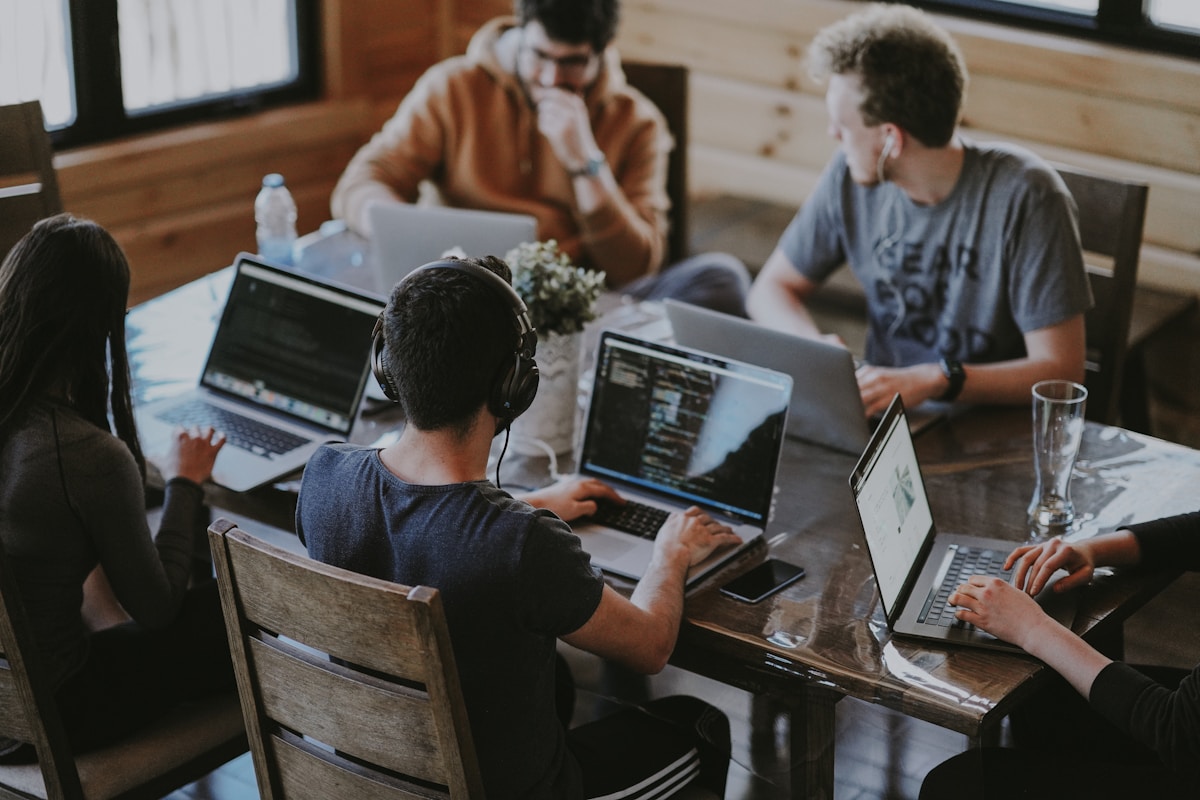
As international digital nomad hubs become crowded and visa rules tighten, some remote workers are discovering domestic nomading - spending 2-3 months each in different U.S. cities to explore without long-term commitment.
A remote worker considering this approach represents a growing subset of the digital nomad community questioning whether the traditional international route is the only path.
"I am looking at spending 2/3 months in each city once my current lease is up," the poster explained. "For example I'd do like LA from August to October, then maybe like Dallas or Austin from October to December, Miami from January-March etc."
Why Domestic Nomading Makes Sense Now
Several factors are driving this shift:
Visa complications have increased for popular nomad destinations. Many countries now enforce tourist visa limits more strictly. Cost of living in traditional hubs like Lisbon, Bali, and Chiang Mai has risen sharply. Language barriers and cultural adjustment can be exhausting over extended periods. Healthcare access in the U.S. matters for those with ongoing medical needs.
For American remote workers, domestic nomading eliminates visa stress, currency fluctuations, and the logistical complexity of international moves every few months.
The Cost Comparison
The math on domestic vs. international nomading isn't as straightforward as it appears.
Yes, Chiang Mai or Medellín costs less per month than Los Angeles or Miami. But the total cost equation includes flights, visa runs, international health insurance, and the premium many nomads pay for English-speaking services in non-English countries.
A furnished monthly rental in Austin might run $1,800-2,500 - expensive compared to Southeast Asia but comparable to mid-range European cities once all costs factor in. And that Austin rental includes reliable internet, no adapter plugs, and no language barriers when things break.
The Best U.S. Cities for Nomading
Based on nomad community discussions, strong contenders include:
Austin, Texas - Tech scene, reasonable costs outside downtown, excellent food. Denver, Colorado - Outdoor access, good coworking spaces, nomad-friendly culture. Portland, Oregon - Arts scene, walkability, Pacific Northwest nature. Nashville, Tennessee - Live music, growing tech sector, lower costs. San Diego, California - Year-round weather, beach access, health-conscious culture.
Cities like New York, San Francisco, and Boston offer incredible experiences but strain budgets quickly at 2-3 month stints.
What Gets Lost in Translation
Domestic nomading sacrifices some of what makes international digital nomadism transformative:
Cultural immersion and language learning. The thrill of navigating genuinely foreign environments. Exposure to different ways of living and thinking. The international nomad community bonds that form in expat hubs.
Staying within the U.S. means staying within familiar cultural frameworks, even as geography changes.
The Hybrid Approach
Several experienced nomads suggest a middle path: spend 6-9 months exploring U.S. cities, then 3-6 months internationally. This provides variety while avoiding visa complications and burnout from constant cultural adjustment.
Others recommend using U.S. city-hopping as preparation for international nomading - developing the logistical skills and mental flexibility that long-term travel requires, without the additional complexity of foreign languages and customs.
The Bottom Line
Domestic digital nomadism won't replace international travel for those seeking cultural immersion and adventure. But for remote workers who want location flexibility without the complications of visa runs and language barriers, city-hopping across the U.S. offers a viable path.
And contrary to the assumption that "real" nomads must be international, exploring your own country deeply can be just as eye-opening as collecting passport stamps - even if it doesn't photograph quite as well for Instagram.