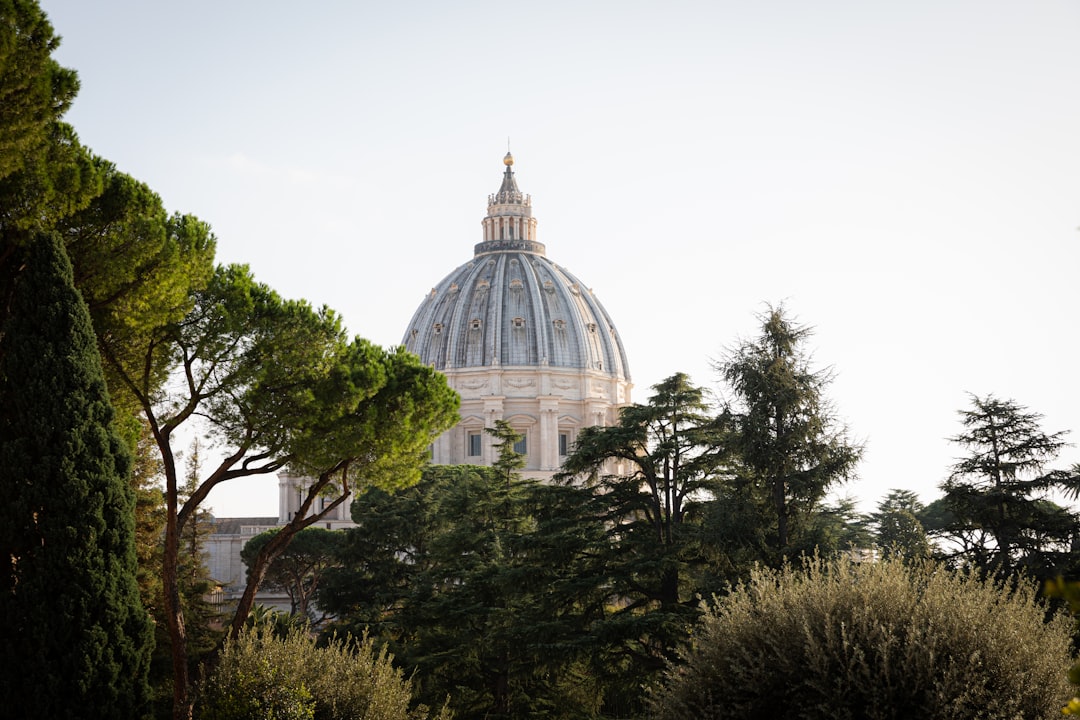
Vatican City – The Vatican has issued a landmark report acknowledging the "pain and discrimination" experienced by LGBTQ+ Catholics, marking the most significant institutional recognition to date of the challenges facing gay, lesbian, and transgender members of the world's largest Christian denomination.
The document, released by the Dicastery for Promoting Christian Unity, represents a notable shift in tone from previous Vatican statements on sexuality, though it stops short of changing core doctrinal positions that define homosexual acts as sinful and do not recognize same-sex marriages.
"The Church acknowledges the pain and suffering of LGBTQ+ persons who have felt marginalized, rejected, or discriminated against," the report states, according to Attitude magazine. "We recognize that too often, our pastoral approach has failed to reflect Christ's unconditional love."
To understand today's headlines, we must look at yesterday's decisions. The Catholic Church's teaching on homosexuality has been a source of internal tension for decades, particularly in Western societies where acceptance of LGBTQ+ rights has grown significantly. Pope Francis, who has led the church since 2013, has repeatedly emphasized a more welcoming pastoral approach, famously asking "Who am I to judge?" when questioned about gay priests in his first year as pontiff.
However, Francis has maintained that while the church should welcome LGBTQ+ individuals with compassion, its fundamental theological positions on marriage and sexuality cannot change. This has created what some observers describe as a "tension between doctrine and pastoral practice" that the new report appears designed to address.
The document calls for greater inclusion of LGBTQ+ Catholics in parish life, better training for clergy in accompanying LGBTQ+ faithful and their families, and recognition that sexual orientation is not chosen. It explicitly condemns violence and discrimination against LGBTQ+ persons and urges Catholics to work for their civil rights and dignity.
Significantly, the report does not alter church teaching that marriage is exclusively between a man and a woman, nor does it endorse same-sex relationships. Some conservative Catholic groups immediately criticized the document as potentially confusing the faithful about core teachings. "Compassion and truth must go together," said Cardinal Robert Sarah, a prominent conservative voice, in a statement. "We cannot be compassionate by obscuring difficult truths."
LGBTQ+ Catholic advocacy groups offered measured reactions. New Ways Ministry, a U.S.-based organization, praised the report's acknowledgment of past harm while noting that words must be followed by concrete changes in church practice. "This is an important step, but it's only a first step," said executive director Francis DeBernardo. "We need to see structural reforms that give LGBTQ+ Catholics full inclusion and equality."
The report's release comes as national bishops' conferences worldwide are grappling with questions about blessing same-sex couples, particularly in Germany and Belgium, where some bishops have indicated openness to such practices. The Vatican has warned against such blessings while also urging respect for local pastoral decisions.
For the estimated 1.3 billion Catholics worldwide, the report represents both continuity and evolution. The church's fundamental teachings remain unchanged, but the explicit recognition of LGBTQ+ suffering and the call for greater pastoral sensitivity represent meaningful developments in how those teachings are communicated and lived.
Analysts note that Pope Francis, at 89 years old, is seeking to solidify his legacy of a more inclusive pastoral approach while knowing that questions about sexuality and gender will continue to challenge the church long after his papacy ends. The report may be seen as an attempt to create institutional momentum for compassionate engagement even if doctrinal revolution remains off the table.