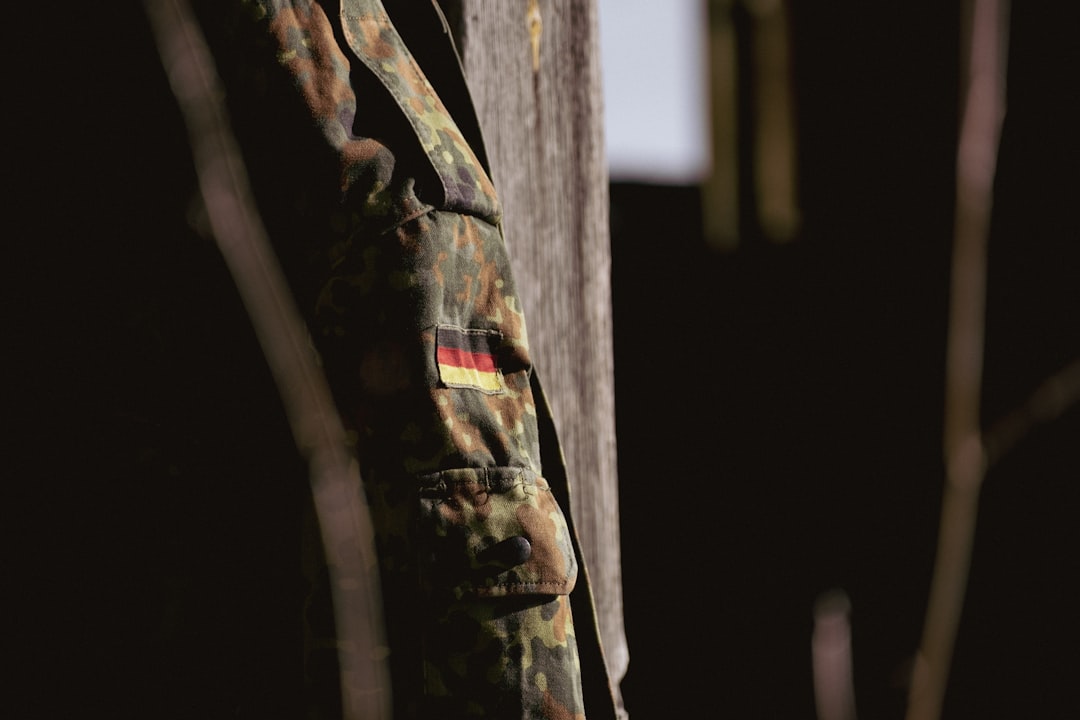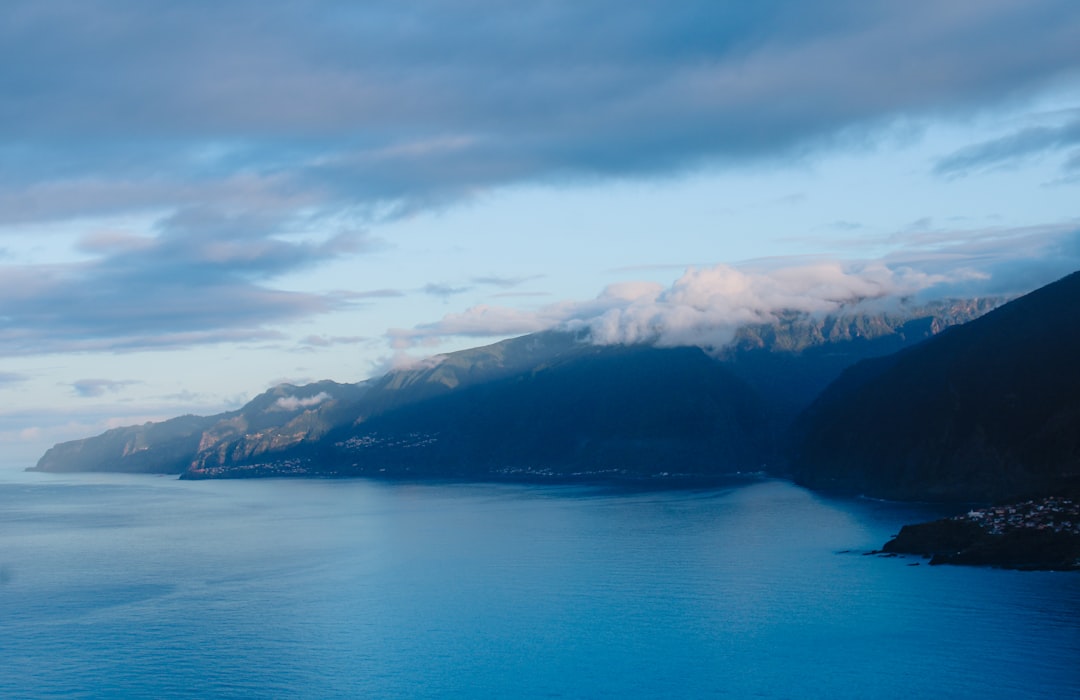
Tristan da Cunha – British paratroopers have deployed to Tristan da Cunha, one of the world's most isolated inhabited islands, to assist with a suspected hantavirus case aboard a cruise ship, in a rare emergency operation to the remote South Atlantic territory.
According to The Guardian, military medical personnel from the Parachute Regiment were dispatched after a cruise ship passenger showed symptoms consistent with hantavirus infection while the vessel was near the island. The operation highlights both the unique challenges of providing healthcare in one of Earth's most remote locations and Britain's ongoing responsibilities for far-flung territories.
Tristan da Cunha, located roughly 2,400 kilometers from the nearest continental landmass of South Africa, is home to approximately 250 people. The volcanic island has no airstrip, making access possible only by boat—a journey that typically takes nearly a week from Cape Town. The deployment of paratroopers suggests the British military used a long-range aircraft to drop personnel and equipment near the island, where they were retrieved by boat.
To understand today's headlines, we must look at yesterday's decisions. Tristan da Cunha has long fascinated geographers and adventurers as the most remote inhabited archipelago in the world. Settled in the early 19th century and formally annexed by Britain in 1816, the island maintains a subsistence economy based primarily on fishing and farming, with limited contact with the outside world. Its isolation has protected residents from many modern diseases but also makes medical emergencies particularly challenging.
Hantavirus, a potentially deadly disease transmitted through rodent droppings and urine, is rare but serious. Symptoms can progress to severe respiratory distress requiring intensive medical intervention. The island's small clinic, staffed by a single resident doctor, lacks the equipment to handle such cases, necessitating external assistance.