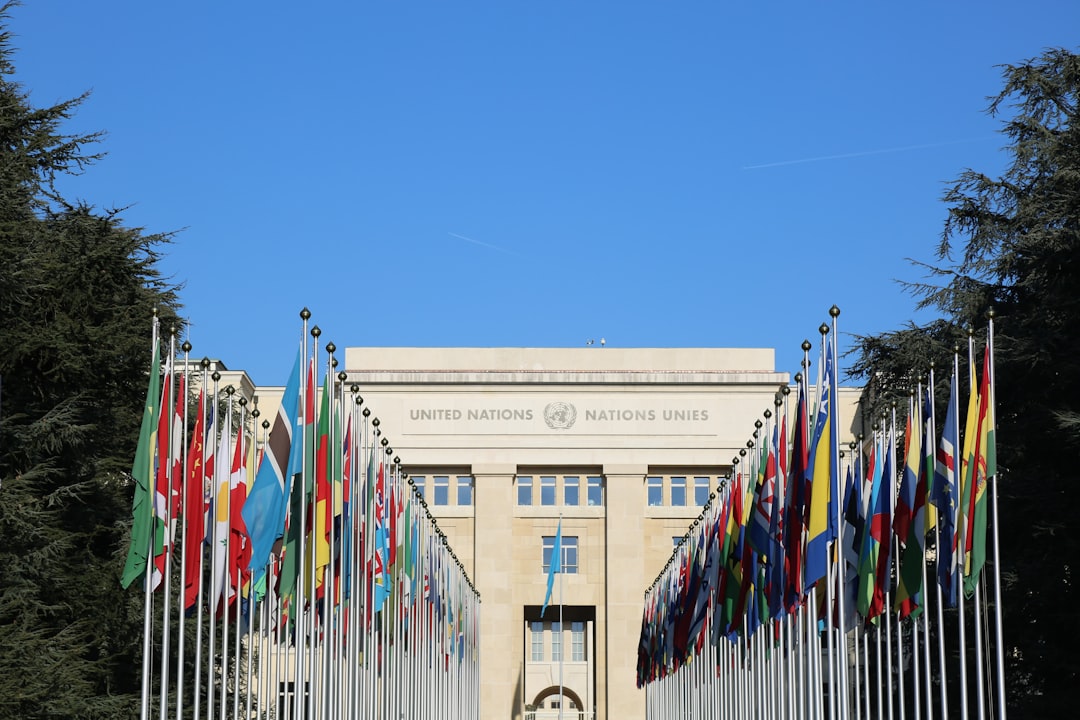
The United States voted against a United Nations Human Rights Council resolution recognizing the transatlantic slave trade as a 'crime against humanity,' joining only Israel and Argentina in opposition to the measure led by Ghana's president.
The resolution, approved overwhelmingly by the 47-member council on Tuesday, calls for reparations and enhanced protections against modern forms of slavery and human trafficking. Its rejection by Washington has triggered sharp criticism from civil rights organizations and renewed debate about America's reckoning with its historical legacy of slavery.
According to State Department sources familiar with the deliberations, U.S. officials objected to specific language in the resolution that they argued could create legal precedents affecting American foreign policy and international legal obligations. The administration has not yet provided a detailed public explanation for the vote, though White House press secretary Karoline Leavitt said the decision reflected concerns about "operational language" in the measure.
The vote comes at a particularly sensitive moment in American politics. Congressional Black Caucus members are expected to demand answers from the State Department about the rationale behind opposing a resolution that addresses the foundational injustice of American history. Representative James Clyburn of South Carolina, the highest-ranking Black member of Congress, has requested a briefing on the administration's decision.
"This isn't just about history—it's about how America presents itself to the world," said Derrick Johnson, president of the NAACP, in a statement responding to the vote. "When we stand with only two other nations against recognizing slavery as a crime against humanity, we send a message that fundamentally contradicts our stated values."