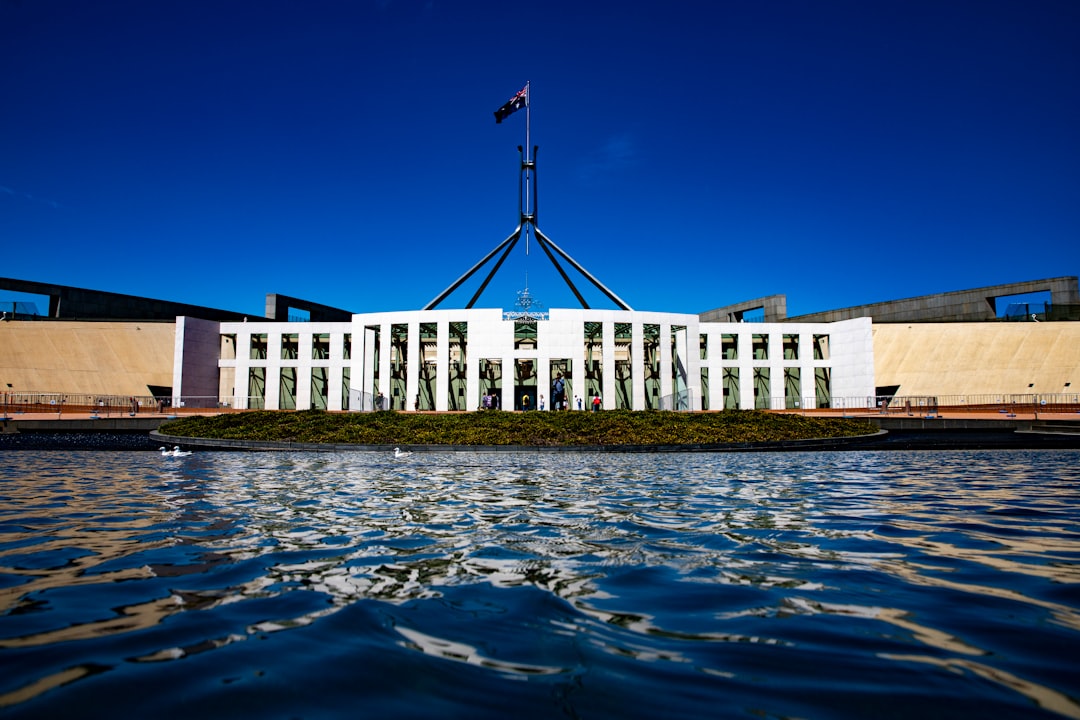
Treasurer Jim Chalmers has confirmed the upcoming federal budget will include tax reform measures, though he stopped short of committing to changes to capital gains tax — which in Australian politics means it's absolutely still being considered.
In an interview with the ABC's Alan Kohler, Chalmers said tax reform is coming but wouldn't rule out changes to CGT. That's significant. When Australian politicians want to kill something, they say so. When they dance around it, it means the Treasury modeling looks interesting.
For decades, touching property tax concessions has been political suicide in Australia. Both major parties have run screaming from anything that might affect house prices or investor returns. The fact that Chalmers isn't categorically ruling it out suggests Labor might finally be willing to have that fight.
The context matters. Australia's housing crisis isn't getting better, and tax concessions for property investors are consistently identified as part of the problem. Capital gains tax discounts make property investment more attractive relative to other investments, which pushes up prices and locks first home buyers out of the market.
But here's the political reality: millions of Australians own investment properties. Many of them vote. And the opposition will absolutely hammer Labor if they touch property tax settings, regardless of the policy merits.
So what's actually going to happen? Best guess: the budget will include some tax changes, probably around multinational tax avoidance or resource rents — reforms that poll well and don't touch voters' investment properties. CGT changes, if they come at all, will be modest and heavily grandfathered.
Because that's how Australian politics works. You talk about big reform, then deliver something incremental that doesn't upset too many people. It's not exactly bold governance, but it's what keeps you in office.
The budget will drop in a few weeks. Watch what Chalmers actually announces, not what he hints at in interviews. Because in Australian politics, there's often a big gap between the two.