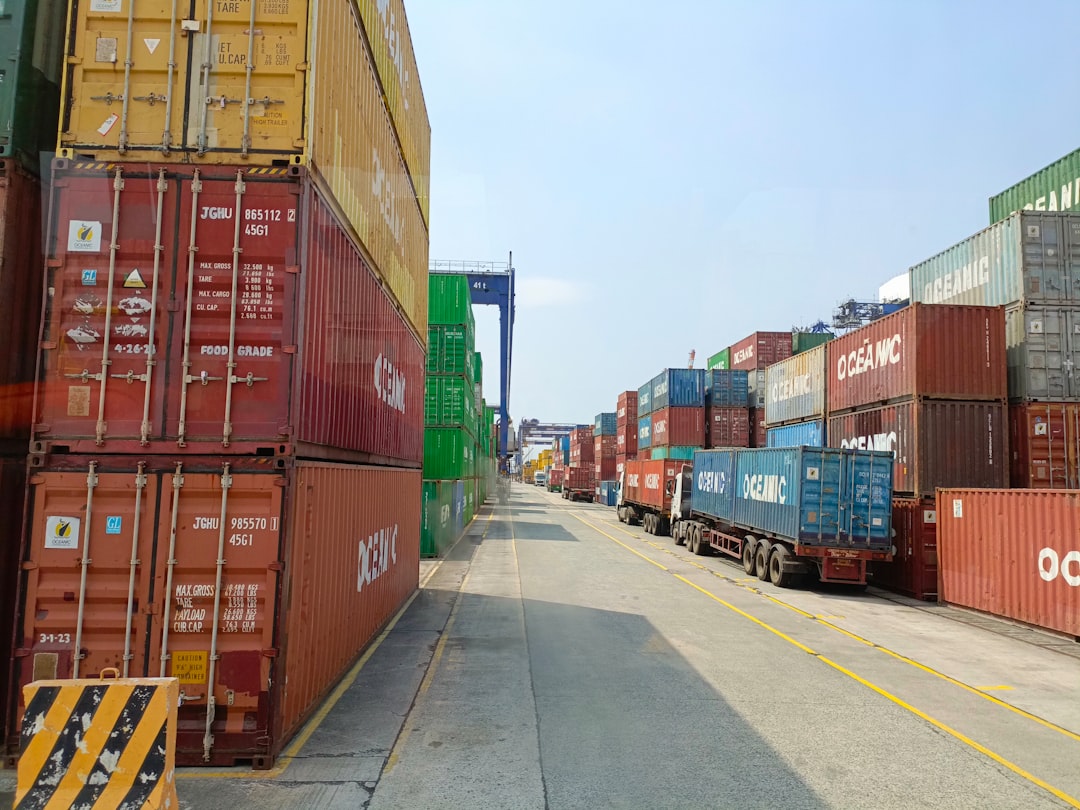
American businesses continue to pay tariffs the Supreme Court ruled unconstitutional, trapped in a legal and bureaucratic limbo that highlights the messy intersection of constitutional law and commercial reality. Despite the high court's determination that certain Trump-era tariffs imposed under the International Emergency Economic Powers Act exceeded executive authority, importers report they have no mechanism to stop payments or obtain refunds.
The situation creates an extraordinary constitutional crisis with immediate business implications. The Supreme Court has spoken. The tariffs are illegal. Yet U.S. Customs and Border Protection continues collecting them, companies continue paying them, and there's no clear administrative process to halt the collections or recover payments made after the ruling.
For businesses, the dilemma is acute. Refuse to pay the tariffs, and shipments sit in customs, supply chains freeze, and penalties accrue. Pay the tariffs under protest, and there's no guarantee of recovery even with a Supreme Court ruling in hand. The legal mechanism for refunds remains unclear, leaving companies to choose between constitutional principle and operational necessity. Most are choosing to keep their goods moving.
The practical impact extends beyond individual companies. This uncertainty affects pricing decisions, contract negotiations, and supply chain planning across industries. Businesses that factored these tariff costs into their models now face the possibility of eventual refunds but no timeline or process to claim them. Those planning future imports don't know whether to budget for costs the Supreme Court says are illegal but Customs continues to collect.
Some trade attorneys suggest companies may need to file individual refund claims or pursue litigation to recover payments. Others point to the possibility of congressional action to create a claims process. Neither option provides the immediate clarity businesses need to make decisions involving millions in capital.
The situation underscores a broader truth about tariff policy: constitutional theory matters less than administrative reality when your inventory is sitting in a shipping container. The Supreme Court may have ruled, but until someone actually turns off the collection mechanism, importers will keep paying. That's not how it should work, but it's how it does work. The numbers don't lie, but apparently, neither do they get refunded automatically.