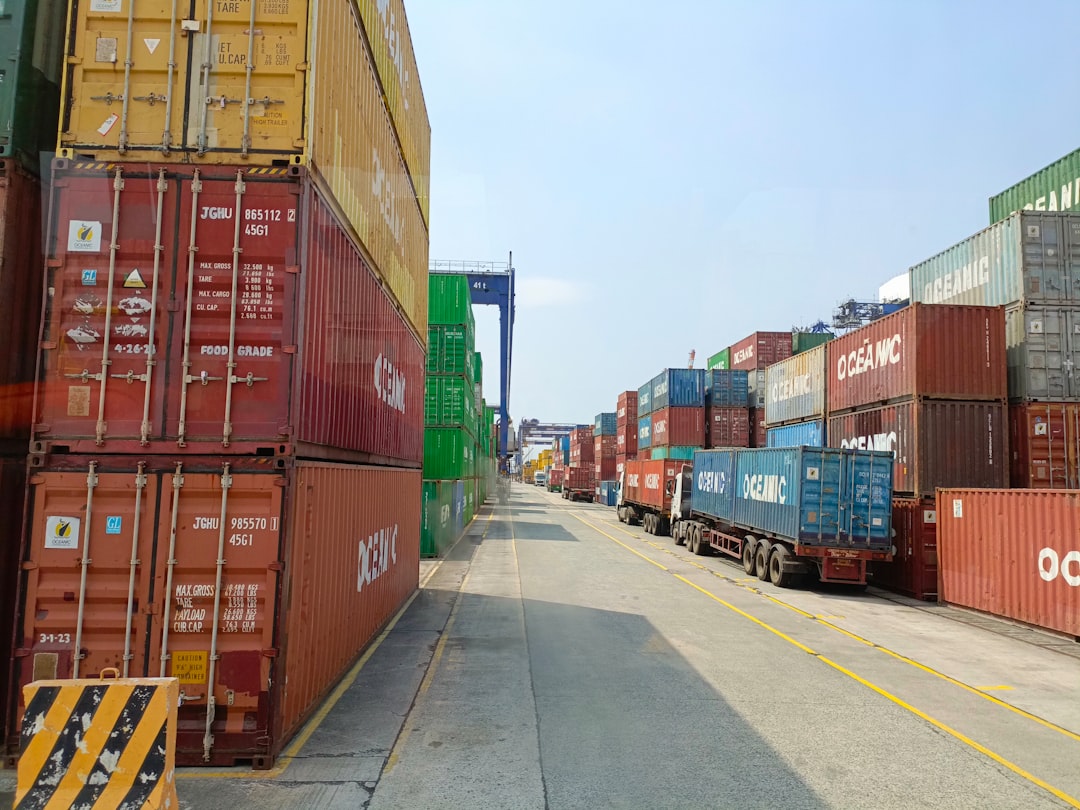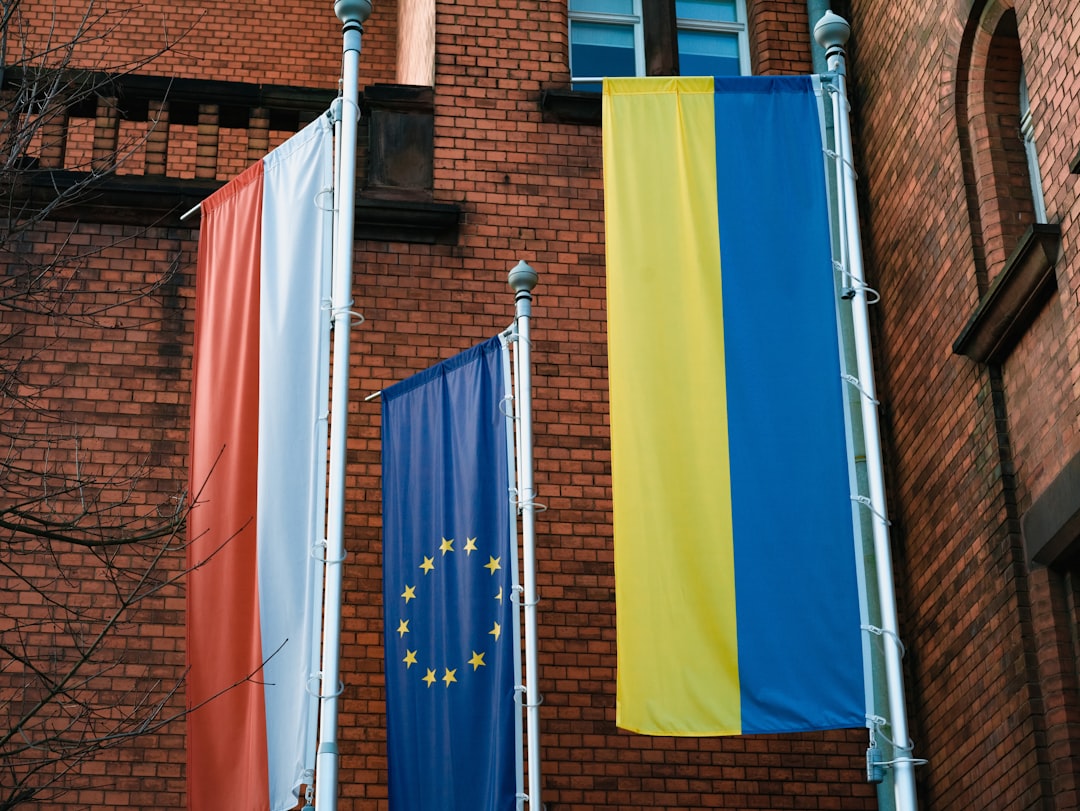
Europe is warning that transatlantic trade agreements hang in the balance as the Trump administration's 15% global tariff triggers what European officials are calling "pure tariff chaos." The escalating trade war threatens to unravel decades of economic integration and force companies to restructure supply chains built on assumptions of stable trade relationships.
According to CNBC, both European Union and United Kingdom officials have expressed alarm at the breadth and unpredictability of new tariff policies, suggesting existing trade frameworks may no longer be viable under current conditions. The characterization of the situation as "chaos" rather than mere disagreement signals a fundamental breakdown in the predictability businesses require for long-term planning.
The business implications extend beyond the tariff percentages themselves. Companies make investment decisions, site factories, negotiate contracts, and build supply chains based on assumptions about trade policy stability. When those assumptions evaporate, the costs aren't limited to the tariff amounts. They include stranded investments, contract renegotiations, supply chain reconfigurations, and the opportunity cost of delayed decisions while waiting for clarity that may never arrive.
European officials haven't specified which trade deals are at risk, but the scope of threatened retaliation suggests they're serious about allowing existing agreements to collapse if tariff policies continue. The EU represents a $17 trillion economy and America's largest trading partner. A genuine trade war at that scale affects automotive, aerospace, agriculture, pharmaceuticals, technology, and virtually every sector with transatlantic exposure.
The timing compounds the problem. Global supply chains are still recovering from pandemic disruptions and adjusting to geopolitical tensions between China and the West. Adding a U.S.-Europe trade conflict creates a third axis of uncertainty that makes long-term business planning nearly impossible. Executives are being forced to build multiple scenario models for supply chain configurations, none of which can be implemented confidently given policy volatility.
Retaliatory measures remain unclear, but European officials have historically targeted politically sensitive U.S. exports when responding to tariffs. Agriculture, bourbon, motorcycles, and other products from swing states typically feature prominently. The goal isn't maximum economic damage but maximum political pressure on policymakers to reverse course.
For businesses caught in the middle, there are no good options. Absorb the tariff costs and accept margin compression. Pass them through to customers and accept demand destruction. Or restructure supply chains at enormous cost and risk being whipsawed if policies reverse. None of these choices enhance competitiveness or shareholder value. They represent pure deadweight loss imposed by policy uncertainty.
The characterization as "chaos" may be diplomatic language, but it's also accurate. Chaos describes a state where normal planning assumptions don't apply and historical patterns offer no guidance. That's exactly what businesses face when trade policy becomes unpredictable.