One of America's most pristine wilderness destinations is under threat after the U.S. House of Representatives voted to repeal protections banning mining near the Boundary Waters in northern Minnesota.
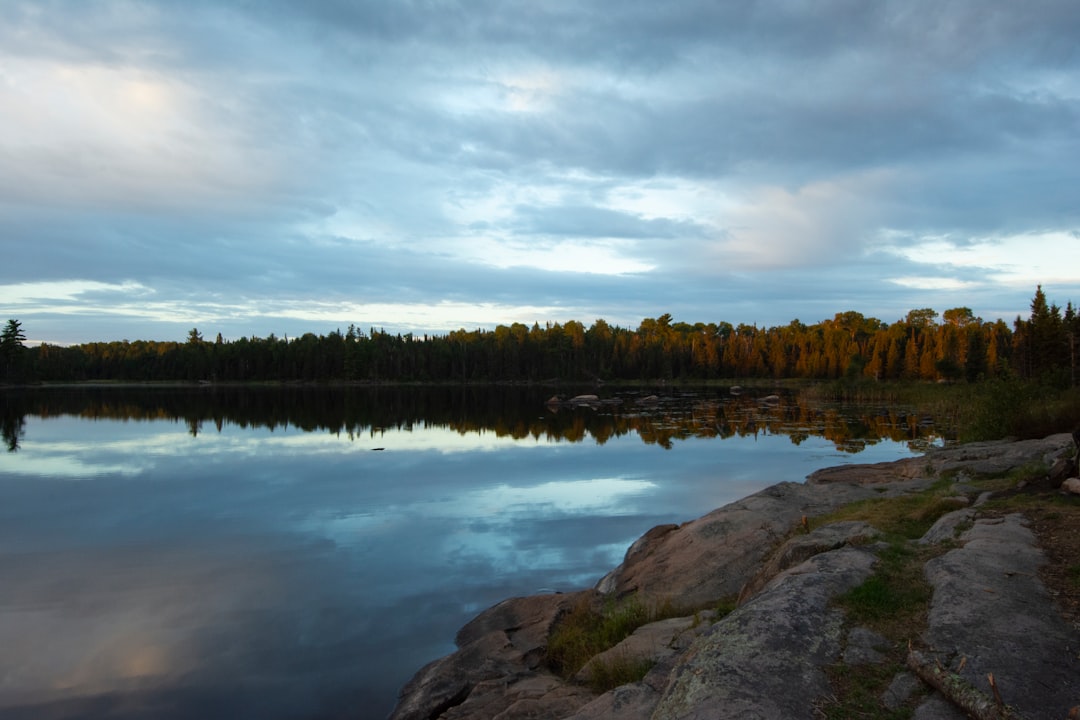
The decision has sent shockwaves through the outdoor community, with backpackers and paddlers rallying to protect the Boundary Waters Canoe Area Wilderness, a million-acre preserve that draws over 150,000 visitors annually for its crystal-clear lakes and roadless backcountry.
According to discussions on r/backpacking, travelers are being urged to contact their representatives immediately. One commenter warned: "If you think they are only eyeing this spot you'd be wrong."
The mining ban, which protected the watershed from sulfide-ore copper mining operations, was established to preserve the area's interconnected system of lakes and rivers. Environmental advocates have long argued that mining near the Boundary Waters could contaminate the water that makes the region so unique.
Why the Boundary Waters matters to travelers: This isn't just about environmental policy—it's about access to one of the country's last true wilderness experiences. The Boundary Waters offers something increasingly rare: the chance to paddle for days without seeing roads, power lines, or motorized boats.
The area is particularly beloved by budget backpackers and paddlers who can explore hundreds of miles of waterways using the permit system, which costs just $16 per person for a seven-day trip when reserved in advance. It's one of the most affordable wilderness adventures in North America.
Travel experts worry this sets a precedent for other protected areas. If mining interests can overturn protections in the Boundary Waters, what's next? Yosemite? Yellowstone? The outdoor recreation economy depends on these places remaining wild.
The bill now heads to the Senate, where conservationists hope it will face stronger opposition. In the meantime, outdoor advocates are organizing letter-writing campaigns and social media pushes to make their voices heard.
What travelers can do: Contact your senators and representatives to voice opposition to mining near the Boundary Waters. Organizations like the Friends of the Boundary Waters Wilderness provide templates and contact information.
The best travel isn't about the destination—it's about what you learn along the way. Right now, we're learning that protecting wild places requires constant vigilance.