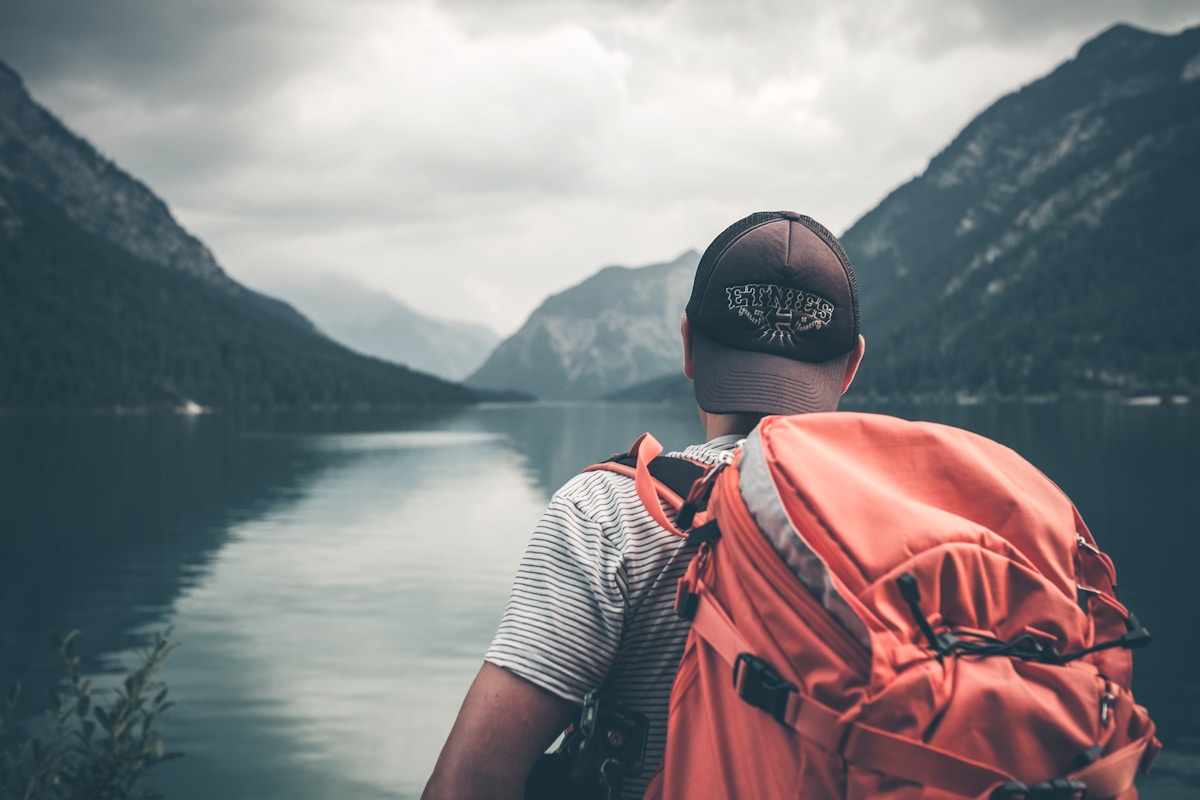
Even experienced backpackers can't seem to break their worst habits. And according to a thread on r/backpacking, the most common mistake is packing the same useless item on every trip—despite knowing better.
The original poster confessed: "I bring a backup layer... I never actually wear. Every trip, I convince myself I'll need that extra fleece if the weather turns. It lives in the bottom of my pack the entire time. I don't touch it once. But I still carry it over every pass."
Thirty-two commenters shared their own repeated packing sins, revealing a fascinating psychology: we're not packing for the trip we'll have—we're packing for the disaster we fear.
"Backup shoes," multiple hikers admitted. "I've never once needed them. My primary boots have never failed catastrophically on a trip. But I keep bringing sandals 'just in case' and they add a full pound to my pack."
Another confessed: "Extra socks. I already pack enough for the trip plus one backup pair. Then I throw in two more 'just in case.' When have I ever gone through seven pairs of socks on a four-day trip? Never. Do I still pack them? Every time."
The pattern reveals that experienced backpackers aren't over-packing from ignorance—they're over-packing from anxiety.
The most commonly admitted "security blanket" items:
The backup fleece or puffy jacket. "What if it gets cold?" You already have layers. You've checked the forecast. You know you won't need it. You pack it anyway.
Extra fire-starting materials. Lighters, waterproof matches, AND a ferro rod. One commenter admitted carrying three fire-starting methods despite never having a single one fail.
Too many meal options. "I pack like I'm opening a backcountry restaurant," one hiker wrote. "Six different freeze-dried dinners for a three-day trip because 'what if I don't feel like the one I brought?'"
Backup water purification. Tablets AND a filter AND iodine. "I've never had a filter fail in 15 years of backpacking. I still carry tablets. They've expired twice without being opened."
The item from a past near-disaster. One hiker carries extra duct tape after a boot blowout 10 years ago. Another brings backup headlamp batteries after running out once in 2015. The incident haunts you, so you over-prepare forever.
Why can't we break these habits?
Ultralight backpacking experts have written about this phenomenon: we conflate preparedness with weight. More gear feels like more safety, even when logic says otherwise.
Several commenters noted that the anxiety is worse for solo backpackers. When you're alone in the backcountry, the consequences of gear failure feel more severe—even if rationally, you know you'd manage.
Others identified inexperience as the root cause—not of backpacking, but of this specific trip. "I pack the backup fleece when I'm going somewhere new because I don't trust my judgment yet. On my home trails? I pack perfectly. But new terrain triggers the 'what if' spiral."
How do you break the cycle?
Track what you actually use. Several commenters recommended keeping a trip log noting every item you pulled out. After three trips where the backup fleece never leaves the pack, the evidence is undeniable.
Practice gear failure scenarios at home. What would you actually do if your lighter failed? You'd use dry wood and friction, or borrow from another camper, or eat cold food for one night. It wouldn't ruin your trip.
Embrace the 10% rule. Ultralight philosophy says it's okay to be slightly uncomfortable 10% of the time if it means carrying less weight 100% of the time. That one cold evening without the backup fleece is worth three days of easier hiking.
Start a "never used" bag. After each trip, put items you didn't touch in a separate stuff sack. Before the next trip, look at that bag. Really look at it. Ask yourself: if you didn't need it last time, why would you need it this time?
One commenter offered the most honest assessment: "I know I'm carrying too much. I know exactly what I'd cut. But there's comfort in the weight. It makes me feel prepared, even when I'm just prepared to carry extra weight. Breaking that psychological addiction is harder than any physical trail."
The best travel isn't about the destination - it's about what you learn along the way. And sometimes the hardest lesson is trusting yourself enough to leave the backup fleece at home.