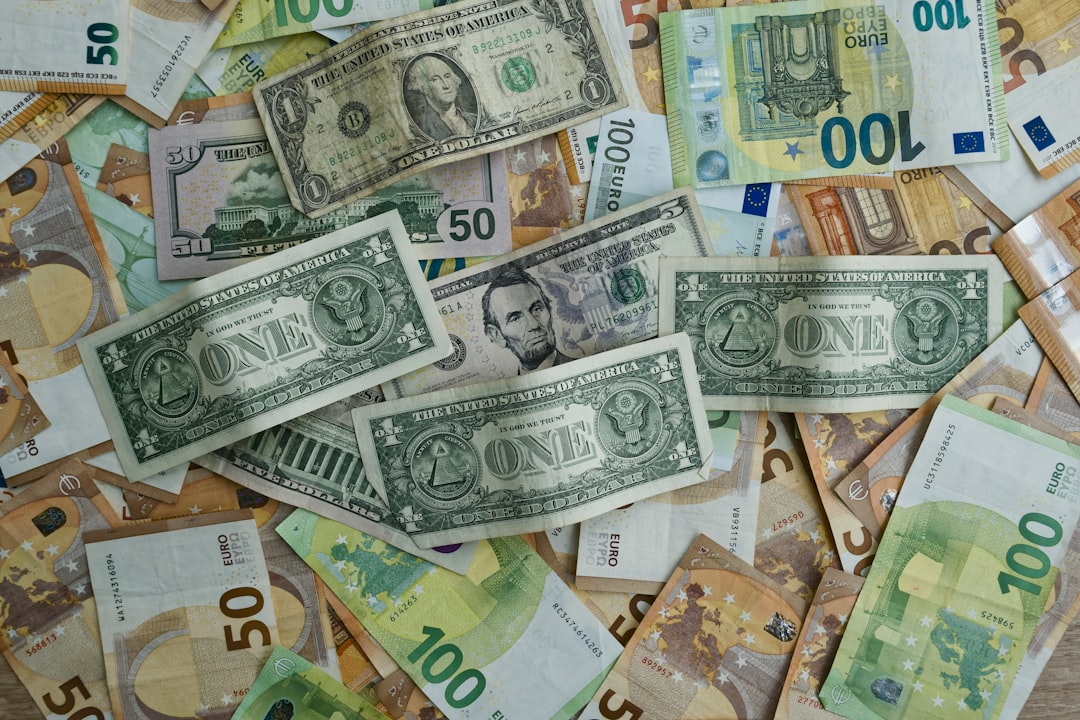
While your stock portfolio bleeds red, there's one asset that's quietly climbing: the U.S. dollar. It's pushing toward the top of its 11-month range, and if you don't understand why, you're missing an important piece of the current market puzzle. Let me explain what's happening and what it means for your investments.
Three Forces Driving the Dollar Higher
The dollar's strength isn't random. Three specific factors are pushing it up:
1. Flight to Safety: When geopolitical tensions rise - and with the Iran conflict entering its sixth week, tensions are definitely rising - investors flee to safe-haven assets. The dollar is the world's reserve currency, and in times of crisis, everyone wants dollars.
2. Oil is Priced in Dollars: With crude at $115 per barrel, global demand for dollars naturally increases. If you're a Japanese company buying oil, you need to convert yen to dollars first. Higher oil prices mean higher dollar demand. It's automatic.
3. Higher for Longer Fed Policy: The market has abandoned hope of Fed rate cuts. With inflation risks rising (see Germany's 2.7% CPI jump), interest rates are staying elevated. Higher U.S. rates make dollar-denominated assets more attractive, which drives demand for dollars.
What a Strong Dollar Means for You
If you're a purely domestic U.S. investor with no international exposure, a strong dollar is relatively neutral for you. But most investors have some international exposure, even if they don't realize it. Here's how it impacts you:
International Stock Funds Get Hurt: If you own an international equity fund or ETF, a rising dollar works against you. When foreign stocks gain value in their local currency but the dollar strengthens, your returns in dollar terms get eroded. It's a hidden tax on international diversification.
Multinational Companies Face Headwinds: Companies like Apple, Microsoft, and Coca-Cola earn significant revenue overseas. When the dollar strengthens, those foreign earnings are worth less when converted back to dollars. That hurts their reported earnings and can pressure their stock prices.
Commodities Get Cheaper (in Dollar Terms): A strong dollar typically puts downward pressure on commodity prices. If oil is $115 now, a stronger dollar might help cap further gains. But don't count on it - the supply-side issues in the Middle East are overwhelming currency effects.
Travel Gets Cheaper: If you're planning a European vacation, congratulations - your dollars go further. A strong dollar means foreign goods and services are relatively cheaper for Americans. That's one of the few silver linings here.
Why This Time Might Be Different
Typically, a strong dollar is a sign of economic strength. But this time, it's more about relative weakness everywhere else. Europe is facing an inflation surge. Japan's economy is struggling. China is dealing with its own economic slowdown. The U.S. isn't doing great, but everyone else is doing worse.
That's a different dynamic than the dollar strength we saw in the 2010s, which was driven by genuine U.S. economic outperformance. This is more of a "cleanest dirty shirt" situation.
How Long Can This Last?
The dollar's current surge is sustainable as long as the three drivers remain in place. If the Iran conflict drags on (likely), oil stays high (likely), and the Fed keeps rates elevated (very likely given inflation), the dollar will stay strong.
But here's the risk: if the U.S. economy starts to crack under the weight of high rates and energy prices, the dollar's safe-haven status could flip. A recession would eventually force the Fed to cut rates, which would weaken the dollar. We're not there yet, but it's a scenario to watch.
Investment Implications
If you believe the dollar will stay strong for the next 6-12 months, here's how to position:
1. Reduce international equity exposure. A strong dollar is a headwind for foreign stocks. If you're overweight international funds, consider trimming.
2. Favor domestic-focused companies. Companies that earn most of their revenue in the U.S. won't face currency headwinds.
3. Be cautious with commodities. A strong dollar typically pressures commodity prices. Gold, silver, and industrial metals could struggle.
4. Consider hedged international funds. Some ETFs hedge out currency risk. They let you invest internationally without betting against the dollar.
The Bigger Picture
The dollar's surge is a symptom, not a cause. It reflects a world dealing with geopolitical chaos, energy shocks, and inflation fears. As long as those conditions persist, the dollar will stay bid.
For American investors, that's a mixed blessing. It provides some stability in a volatile world, but it also limits your ability to profit from international diversification. Understanding this dynamic helps you make smarter portfolio decisions rather than just watching your international funds underperform and wondering why.
The bottom line: the dollar is strong because everything else is weak. That's not a reason to celebrate - it's a reason to be cautious. A strong dollar in a global crisis isn't a sign of strength; it's a sign that investors are scared and looking for safety. Your portfolio strategy should reflect that reality.