

Sysco just dropped $29 billion on Restaurant Depot, and the market's reaction tells you everything you need to know: investors are skeptical. Sysco's stock fell 8% in premarket trading after announcing the deal, which would make it the largest food distributor to independent restaurants in the country. The question is whether this is a brilliant strategic move or terrible timing.
Let me break down what's happening and why it matters.
The Deal in Numbers
Sysco (SYY), which has a market cap of about $39 billion, is buying Jetro Restaurant Depot for $29 billion, including debt. To finance this, Sysco is taking on $21 billion in new and hybrid debt, plus throwing in $1 billion in cash and equity. That's a lot of leverage for a company in a sector that's facing serious headwinds.
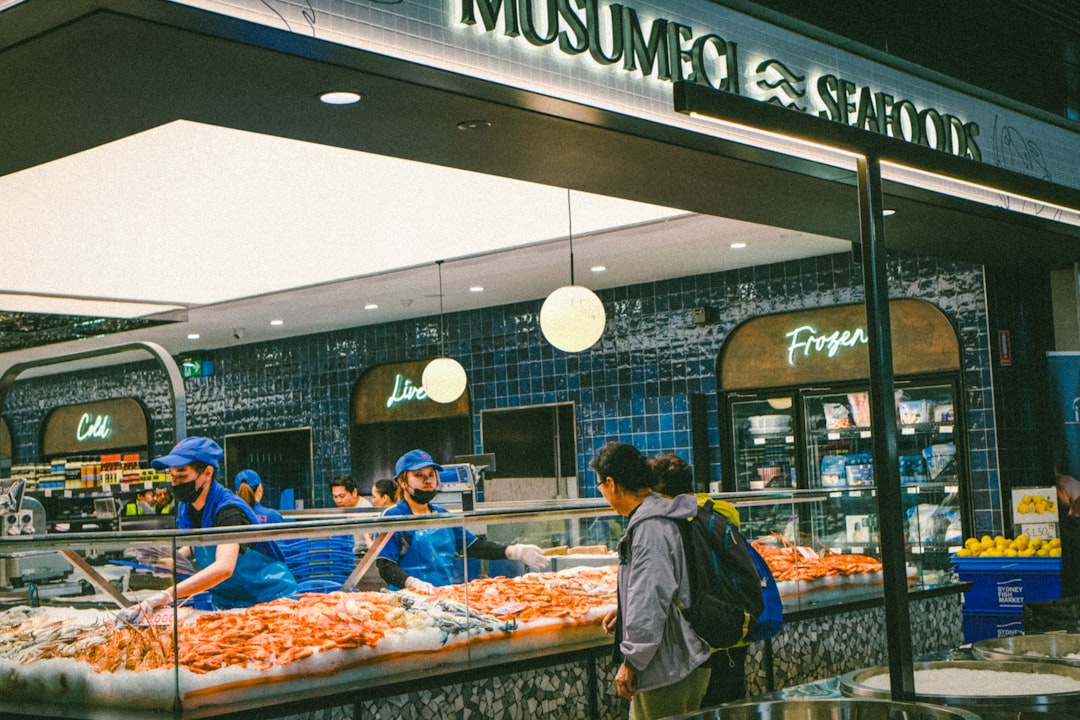
Restaurant Depot operates 166 warehouse locations across 35 U.S. states in the "cash-and-carry" business. Essentially, independent restaurant owners can walk in, buy supplies, and pay on the spot - no delivery, no credit. It's a higher-margin business than traditional food distribution, and that's what Sysco CEO Kevin Hourican is betting on.
The Strategic Rationale
Sysco's pitch is straightforward: this deal will "enhance value for small independent restaurants and the consumers they serve by expanding access to more affordable, fresh food products." In plain English, Sysco wants to capture more of the independent restaurant market by offering a self-service option alongside its traditional delivery business.
That makes sense on paper. But here's the problem: the restaurant industry is struggling. Tariffs on imported goods are driving up wine prices, forcing restaurants to shrink their menus. Inflation is squeezing consumer spending, and diners are eating out less. And now Sysco is loading up on debt to double down on this sector?
Why the Market Is Skeptical
That 8% stock drop isn't random. Investors are asking some hard questions:
1. Is this the right time to take on massive debt? With interest rates staying high and economic uncertainty rising, $21 billion in new debt is a risky move. If the economy slows and restaurants start closing, Sysco's debt payments don't go away.
2. What happens to margins? Sure, cash-and-carry has higher margins than delivery. But if Sysco overpaid for Restaurant Depot, those margins won't matter. Investors need to see accretion to earnings, not just revenue growth.
3. Does this signal desperation? Last year, US Foods and Performance Food tried to merge to challenge Sysco's dominance. That deal fell apart, but it shows the sector is consolidating because growth is hard to come by. When industry leaders start doing mega-deals, it's often because organic growth has stalled.
The Restaurant Industry Context
Let's zoom out. Independent restaurants are getting hammered right now. Labor costs are high. Food costs are high. Rent is high. And consumers are pulling back on discretionary spending. According to the National Restaurant Association, same-store sales growth has been tepid, and many restaurants are barely breaking even.
Sysco is betting that by offering a cash-and-carry option, they can win over price-conscious restaurant owners who are looking to cut costs. But if those restaurants go out of business, it doesn't matter how good the deal is.
What History Tells Us
Big debt-fueled acquisitions during uncertain economic times have a mixed track record. When they work, it's because the acquiring company timed the bottom of the cycle perfectly and bought assets cheaply. When they don't work, it's because the economy worsens, cash flows dry up, and the debt becomes unbearable.
Right now, we're not at the bottom of anything. We're in the middle of a conflict-driven market correction with inflation risks rising. That's not typically when you want to take on $21 billion in debt.
What to Watch
If you own Sysco stock or are thinking about buying the dip, here's what to monitor:
1. Restaurant industry health. If same-store sales and restaurant openings start to rebound, this deal looks smarter.
2. Integration costs. Combining two massive distribution networks is hard. If Sysco botches the integration, margins will suffer.
3. Interest rates. If the Fed is forced to hike rates to fight inflation, Sysco's debt payments get more expensive.
The bottom line: Sysco just made the biggest bet in its history, and it's happening at a time when the restaurant industry is facing serious challenges. Maybe management knows something the market doesn't. Or maybe this is a case of a company overpaying for growth because organic growth isn't available. Time will tell, but that 8% stock drop suggests investors are leaning toward the latter.

