Universal Pictures is giving theaters more breathing room - a lot more. The studio announced it will extend its theatrical exclusivity window to a minimum of five weekends, expanding to seven weekends in January 2027.
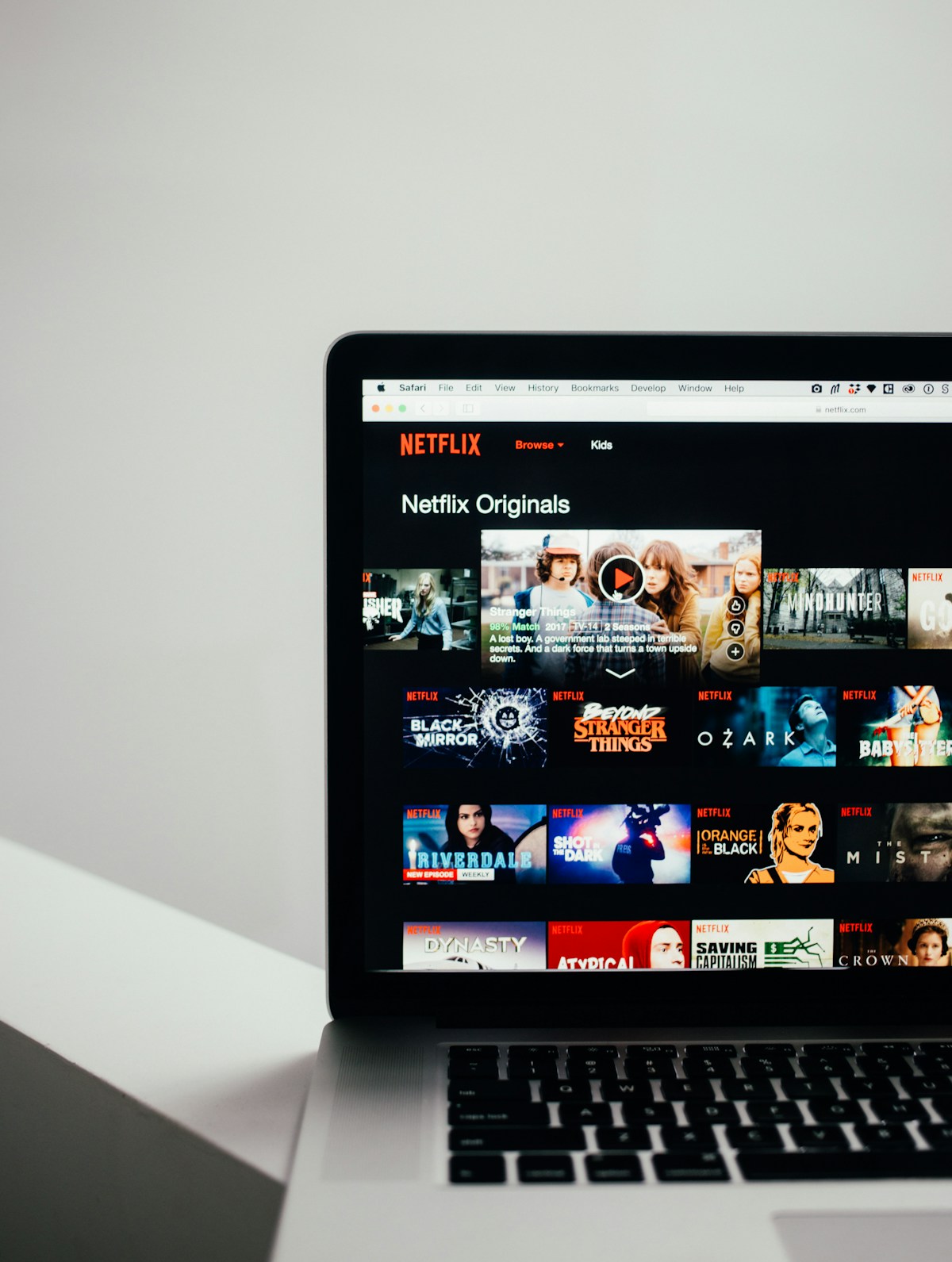
That's a significant shift from the pandemic-era playbook, when studios were racing to get films onto streaming as quickly as possible. Remember when Warner Bros. put its entire 2021 slate on HBO Max day-and-date? Remember Disney+ charging $30 for Mulan and Black Widow at home? Yeah, theaters remember too.
The pendulum is swinging back, and Universal's move signals that studios have rediscovered what exhibitors knew all along: theatrical releases make money. Not just from ticket sales, but from the marketing momentum and cultural conversation that only a proper theatrical run can generate. A movie that goes straight to streaming is just another piece of content in an endless scroll. A theatrical release is an event.
The seven-weekend commitment starting in 2027 is particularly telling. That's not a test run or a temporary measure - it's a strategic pivot with a clear implementation timeline. Universal is planning its release calendar around longer theatrical windows, which means they believe the theatrical business has a sustainable future.
Exhibitors are understandably pleased. Theater chains have spent the past few years fighting for survival, watching studios experiment with windows so short they barely qualified as "theatrical." Some films got as little as 17 days before hitting digital. That's not enough time to build word-of-mouth, let alone maximize box office potential.
Of course, Universal's decision is also about leverage. When you're negotiating with theater chains about revenue splits and premium formats, having a longer commitment to theatrical exclusivity gives you bargaining power. "We're keeping films in your buildings for seven weekends" is a strong opening position.
But the larger story here is about streaming's limits. The services that were supposed to kill theaters are now competing with each other for subscriber attention, burning billions on content libraries that viewers largely ignore. Meanwhile, made $1.5 billion theatrically. became a cultural phenomenon because people went to theaters.