
Kirk Acevedo had to sell his home. Not because he wasn't working - he was. Not because he's not talented - he is. But because the economics of being a working character actor in the streaming era no longer support the life he built during the network television era.
The Hollywood Reporter's profile of Acevedo is one of those pieces that should make everyone uncomfortable, because it's about the systemic collapse of Hollywood's middle class. And unlike the talent mega-mergers or superhero franchise failures, this one affects real people who aren't millionaires.
Acevedo has 140 credits on IMDb. You've seen him in Oz, Band of Brothers, Fringe, The Walking Dead. He's the definition of a working actor - the kind of reliable character player who elevates everything he's in. In the network TV era, that meant steady paychecks and residuals that accumulated into financial stability.
In the streaming era, it means selling your house.
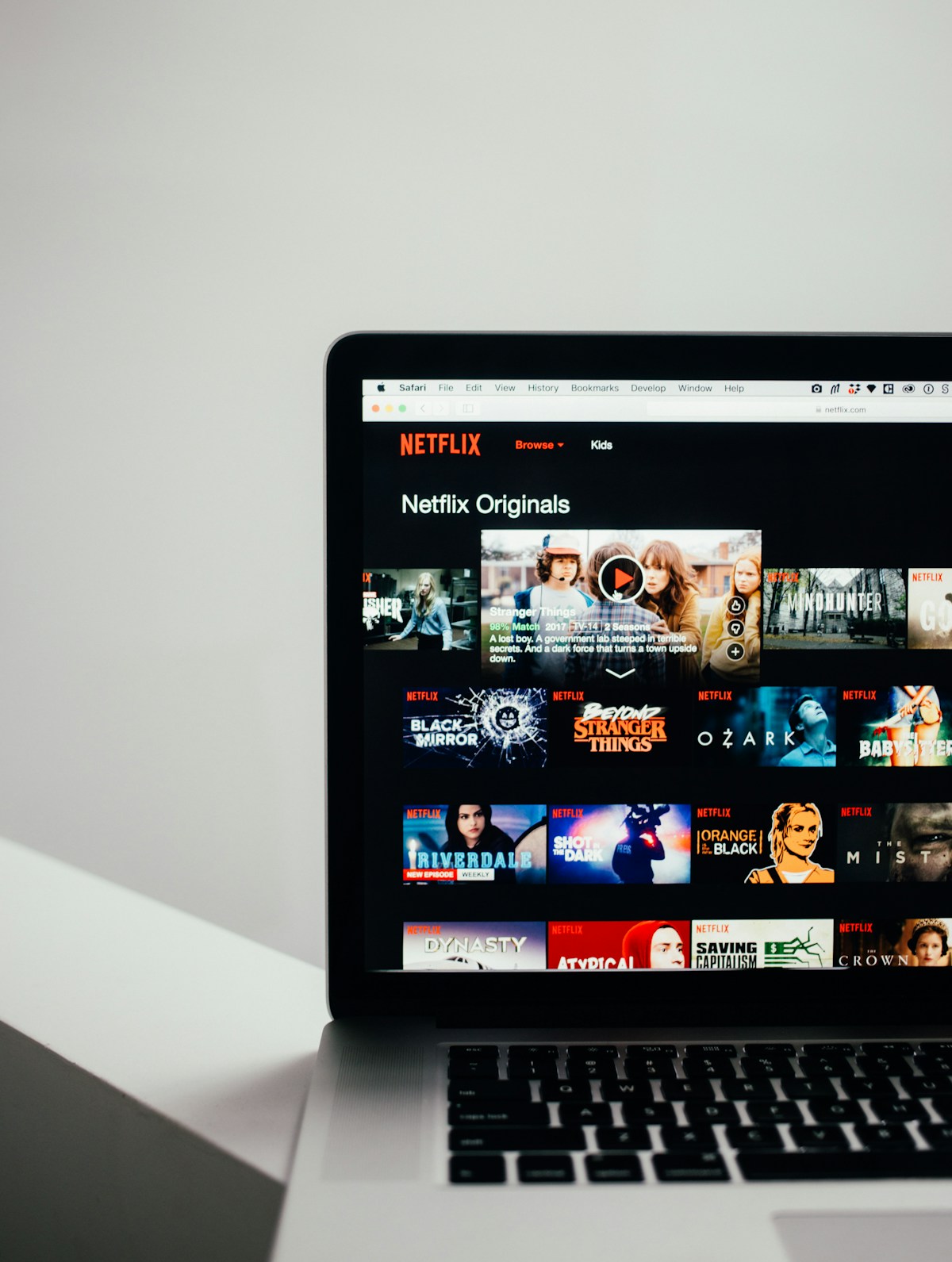
Here's why: streaming services pay flat fees instead of traditional residuals. An episode of network TV that airs 100 times in syndication generates ongoing revenue for actors. An episode of a streaming show pays once, regardless of whether 100 people watch it or 100 million. The business model treats actors like independent contractors, not partners in the content's success.
Worse, the consolidation everyone's fighting against - see: the Paramount-Warner merger opposition - directly impacts working actors. Fewer studios means fewer shows. Fewer shows means less work. Less work means character actors who used to book three shows a year now book one.
Acevedo isn't complaining about his career. He's explaining the math. And the math doesn't work anymore for anyone who isn't a series regular on a hit show.
This is why the 2,000 people opposing the Paramount-Warner merger includes both Pedro Pascal and below-the-line workers. They understand that the squeeze starts at the bottom and works its way up. Today it's character actors selling homes. Tomorrow it's series regulars accepting pay cuts. Eventually, even the A-listers feel it.