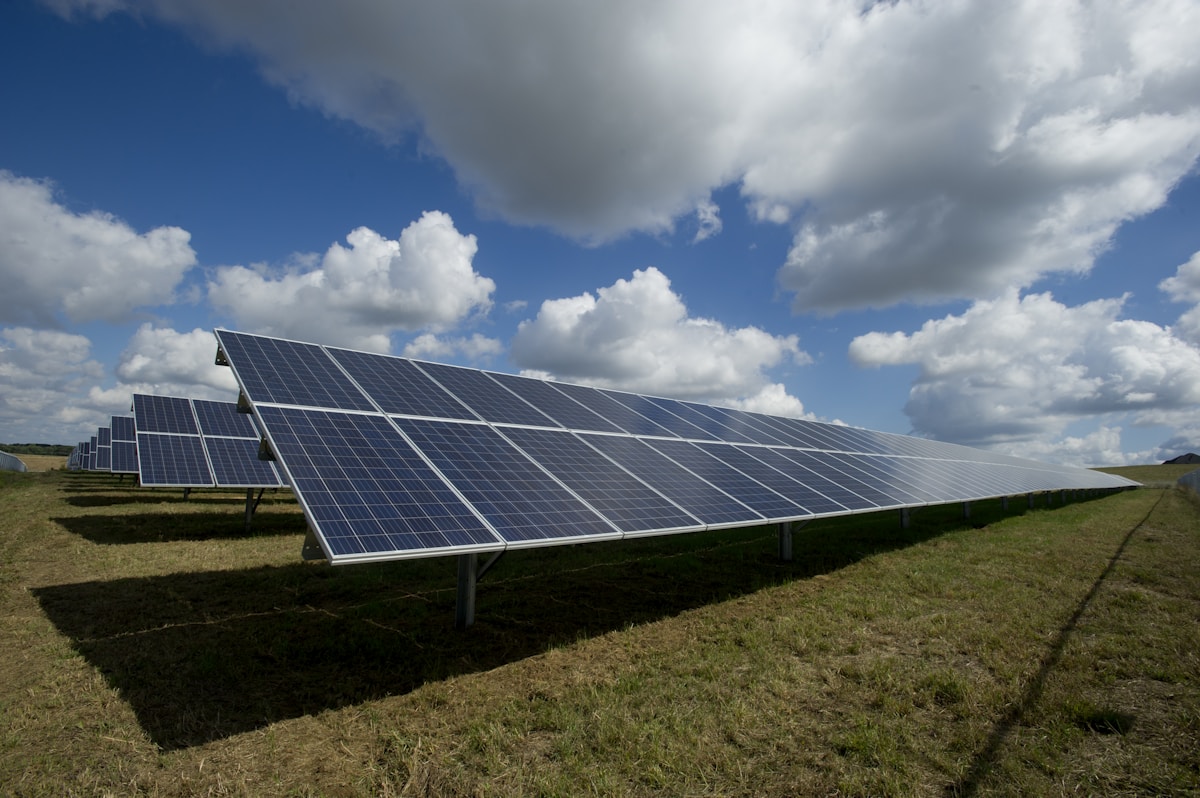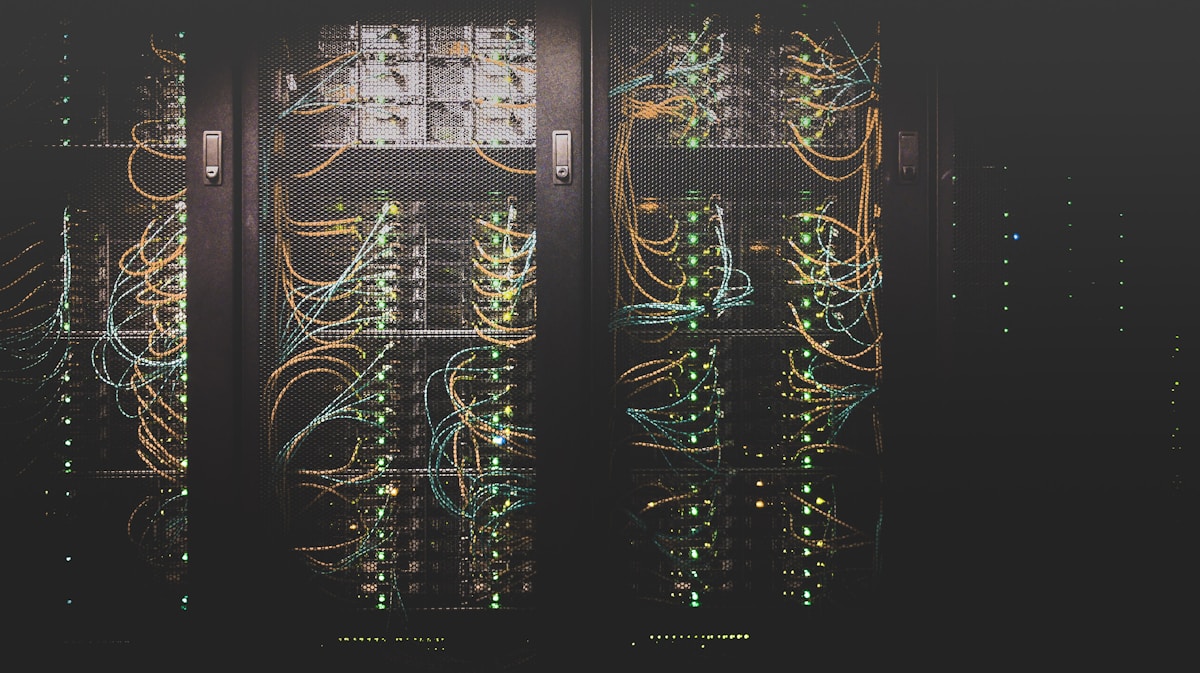

Off the coast of Shanghai, China has activated the world's first commercial underwater data center, powered almost entirely by offshore wind turbines. The facility, operational since late May 2026, uses seawater for cooling and claims to reduce land use by over 90% compared to conventional data centers.
This isn't the first time someone's tried putting servers underwater. Microsoft's Project Natick demonstrated the concept between 2015 and 2020, submerging a container of servers off Scotland and retrieving it two years later. The results were promising—lower failure rates than land-based servers, likely due to the controlled environment and absence of oxygen and humidity fluctuations. But Natick was explicitly an experiment, not a commercial deployment.
What China has built in the Lin-gang Special Area is different in scale and intent. The facility contains 192 server racks across four underwater levels, built by a subsidiary of China Communications Construction. Current operations draw 2.3 megawatts, with planned capacity reaching 24 MW. That's approaching the scale of a small conventional data center.
The engineering elegance lies in the cooling system. Traditional data centers are energy hogs largely because of cooling requirements—you're constantly battling the heat generated by thousands of processors. Underwater, the ocean itself becomes your heat sink. The facility uses sealed copper-pipe heat exchange, transferring heat to surrounding seawater without mixing fluids. According to the engineers, cooling electricity drops to roughly one-tenth of total power consumption, potentially saving about 50 billion kilowatt-hours annually across similar-scale installations.
Offshore wind provides approximately 95% of the electricity. That creates a neat closed loop: renewable energy powers the computation, and the ocean absorbs the waste heat. It's a compelling answer to the sustainability challenge facing the data center industry, which currently consumes about 1-2% of global electricity and is projected to grow substantially with AI workloads.
But—there are real questions here. Long-term durability is one. Seawater is corrosive. Marine environments are harsh. Can these systems operate reliably for years without requiring expensive submarine maintenance missions? Microsoft found that sealed, nitrogen-filled containers helped, but we're still talking about electronics submerged in salt water.
Then there's the ecological question. Continuously releasing heat into local marine ecosystems does have impacts. Water temperature affects everything from oxygen levels to species distribution to algae growth. At small scales, the effect is negligible. At the scale needed to meet global data center demand, you'd need environmental impact assessments and probably geographic distribution to avoid hotspots—literally.
Maintenance access is another challenge. On land, if a server fails, you swap it out. Underwater, you need specialized equipment and personnel, weather windows that permit diving or ROV operations, and tolerance for longer downtimes. The economics only work if failure rates are low enough that maintenance visits are rare.
Still, if this facility operates successfully for several years, it reshapes the conversation about data center location strategy. Instead of building near cities where land is expensive and cooling is energy-intensive, you could build offshore near wind farms, reducing both land use and carbon footprint. Fiber optic cables already crisscross the ocean floor; adding data centers to that infrastructure isn't a wild leap.
The universe doesn't care what we believe. Let's find out what's actually true. And China is running the experiment that will tell us whether underwater data centers are a viable part of our computational future.