
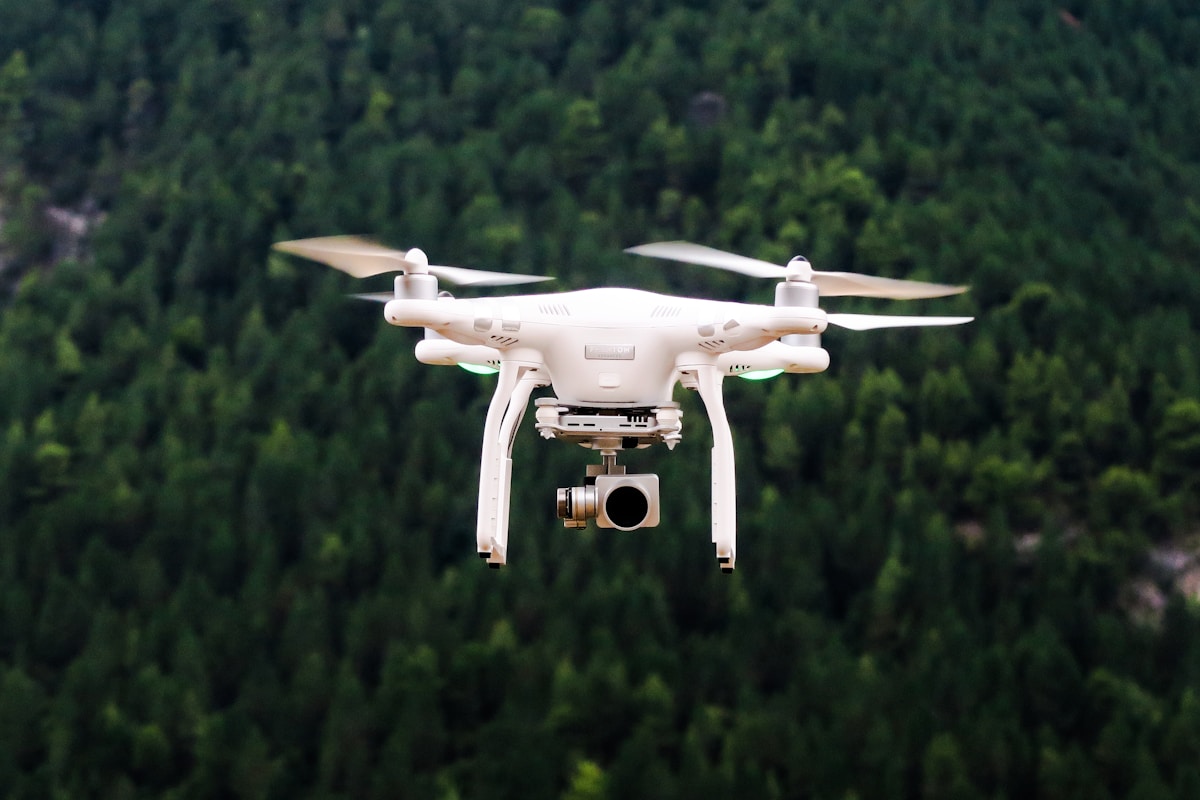
Multiple waves of unauthorized drones have penetrated the airspace over a strategic U.S. Air Force base in recent weeks, raising serious questions about base security and potential espionage as tensions with Iran reach crisis levels.
The incidents, first reported by ABC News, occurred at a facility that plays a critical role in America's nuclear deterrent and strategic bomber operations. While the Air Force has declined to specify the exact location, the breaches represent a significant security concern at a time when the military is already on heightened alert.
"We can confirm that unauthorized unmanned aerial systems were detected in restricted airspace," a Pentagon spokesperson said in a statement. "The incidents are under investigation, and we are working with federal law enforcement to determine their origin and intent."
The vague official response has done little to quell concerns among national security experts and lawmakers. With U.S. forces engaged in operations against Iran, the timing of the drone incursions has fueled speculation about foreign intelligence gathering—though officials caution against jumping to conclusions without evidence.
"This could be anything from hobbyists who didn't understand the consequences to sophisticated state-sponsored reconnaissance," said Admiral James Stavridis (ret.), former NATO Supreme Allied Commander. "But given the current threat environment, you have to assume the worst and investigate accordingly."
The incidents highlight a growing vulnerability in American military infrastructure. Unlike traditional aircraft, small commercial drones are cheap, widely available, and difficult to detect with conventional radar systems. Their proliferation has created new challenges for base security nationwide, from Nevada test ranges to East Coast naval installations.
Congress has wrestled for years with how to address the drone threat. Current law limits what actions military installations can take against unauthorized aircraft, even over sensitive facilities. While the Pentagon has authority to destroy or disable threatening drones, concerns about civil liberties and potential collateral damage have constrained deployment of counter-drone systems.