
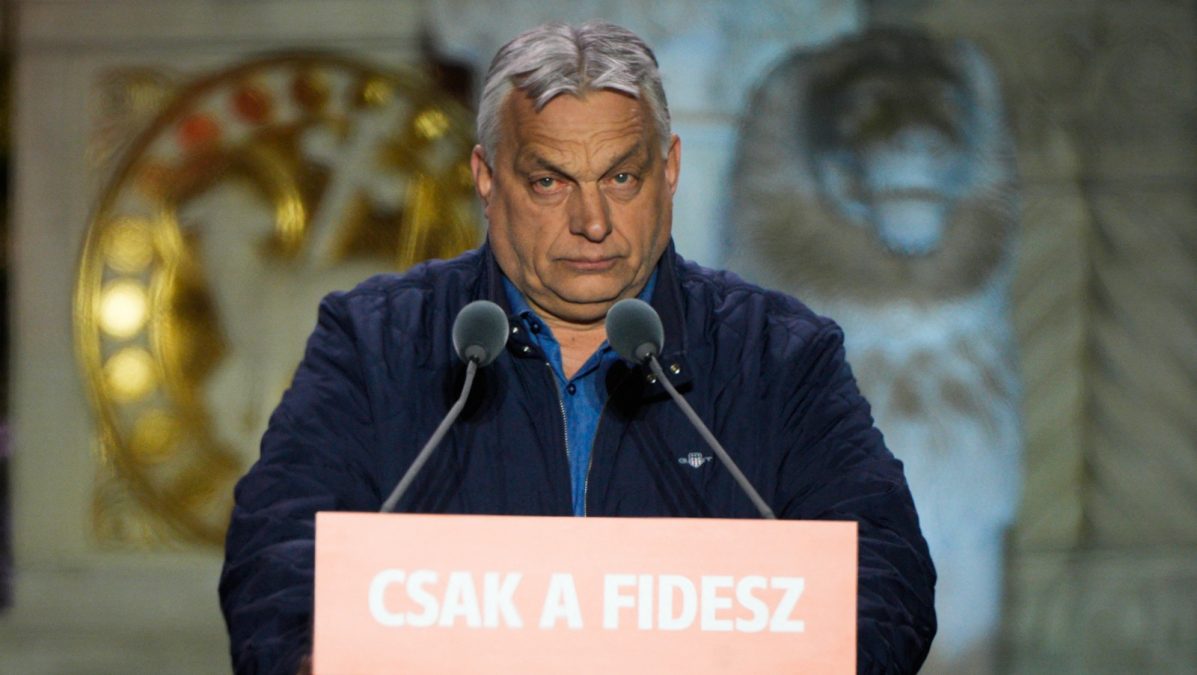
The European Union's highest court has ruled that Hungary's controversial 2021 law restricting information about homosexuality and gender identity in schools violates fundamental EU rights, opening the door to billions in financial penalties against the Viktor Orbán government.
The European Court of Justice judgment represents one of the most significant accountability measures yet imposed on Budapest for policies critics say undermine European democratic values. The decision comes just weeks after Orbán's Fidesz party suffered a historic electoral defeat, raising questions about the financial burden the outgoing government will leave for its successors.
In Hungary, as across the region, national sovereignty and European integration exist in constant tension. The court found that the law—which prohibits content depicting or promoting homosexuality and gender reassignment to minors—violates EU principles of freedom of expression, the right to privacy, and non-discrimination protections enshrined in the bloc's founding treaties.
The ruling enables the European Commission to impose substantial daily fines until Hungary brings its legislation into compliance. Legal experts suggest penalties could reach hundreds of thousands of euros per day, potentially totaling billions over time if the law remains in force.
Government spokespersons defended the legislation as protecting children and upholding traditional family values, positions that have enjoyed domestic support among conservative voters who prioritize Hungarian cultural autonomy over EU mandates. The law passed Hungary's parliament in 2021 with overwhelming support from the Fidesz-KDNP coalition.
Opposition parties and LGBTQ rights organizations welcomed the judgment. Hungarian legal analysts noted that the decision represents a test case for EU enforcement mechanisms against member states accused of democratic backsliding.
"This ruling demonstrates that EU institutions have teeth," said one Brussels-based legal expert. "The financial consequences make it clear that violations of fundamental rights carry real costs."
The timing proves particularly sensitive for Hungary's incoming government, which will inherit not only this potential liability but also a second recent ECJ ruling ordering Budapest to refund billions in illegally collected special taxes from businesses. Together, the judgments could cost the Hungarian treasury an estimated €5-7 billion.
The 2021 law emerged as part of broader legislative efforts by the Orbán government to enshrine conservative social policies, including constitutional amendments defining marriage as exclusively between a man and a woman. Similar legislation in Poland and other Central European states has drawn parallel EU scrutiny, though Hungary's law went furthest in restricting educational content.
Supporters of the legislation argue it represents legitimate national authority over education policy and family matters, areas they contend fall outside Brussels' jurisdiction. Government-aligned media characterized the court challenge as interference in Hungarian sovereignty by liberal EU bureaucrats.
The ruling follows years of escalating tensions between Budapest and EU institutions over rule-of-law concerns, including disputes about judicial independence, media freedom, and anti-corruption measures. The European Commission has withheld billions in pandemic recovery funds pending Hungarian reforms in these areas.
For Hungary's LGBTQ community, the judgment offers vindication after years of increasingly restrictive policies. Advocacy groups report rising discrimination and social stigmatization since the law's passage, particularly affecting families with same-sex parents and transgender youth.
The decision leaves the incoming Hungarian government with difficult choices: maintain the law and absorb mounting fines, or repeal legislation that remains popular with a significant portion of the electorate. Either path carries political and financial consequences in a country already facing economic headwinds.
The case underscores fundamental questions about European integration—how to balance national cultural autonomy with shared democratic values, and whether financial enforcement can compel policy changes that governments consider matters of national identity. As Hungary begins its political transition, these tensions will shape the country's relationship with its European partners for years to come.