The ultralight backpacking community has spreadsheets for everything: base weight calculations, gear comparisons down to the gram, and ruthless assessments of what's truly essential versus what's comfort weight. But even the most dedicated weight-counters admit they carry items that don't make logical sense—and the reasons why reveal something interesting about how people actually experience the outdoors.
A recent discussion among backpackers asked: what gear do you refuse to leave behind even when it doesn't make logical sense? The responses highlighted the gap between theoretical optimization and psychological reality.
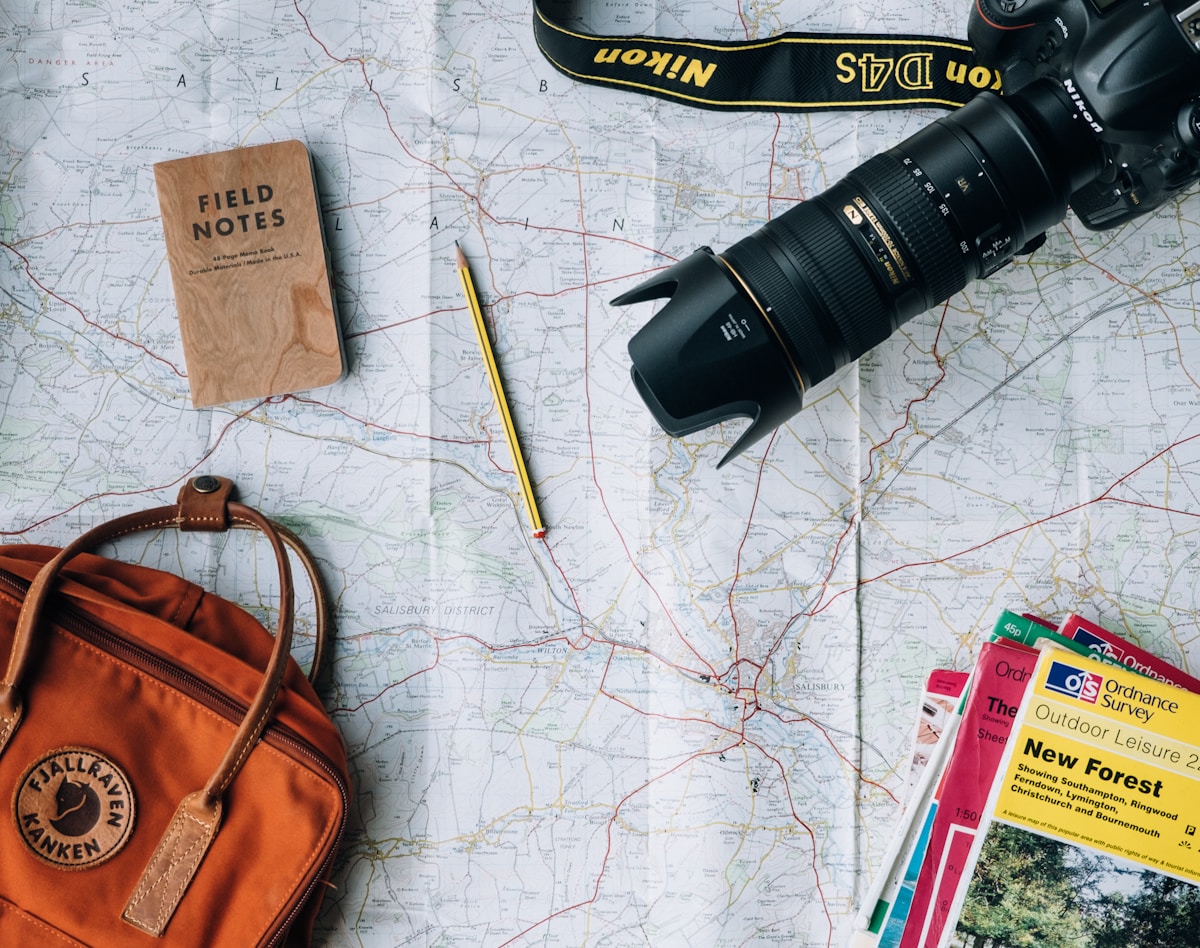
Backup navigation tools topped many lists. Carrying 4 extra ounces for a backup GPS or compass when your phone and primary GPS are "plenty reliable" seems unnecessary—until you're three days into the backcountry and your phone dies. The weight is minimal, but the peace of mind is significant. Experienced backpackers know that redundancy in critical systems matters more than spreadsheet calculations.
Comfort items appear frequently: small camp chairs, slightly heavier sleeping pads, inflatable pillows. These items add half a pound or more—significant in ultralight terms—but dramatically improve sleep quality and camp comfort. The calculation changes when you realize that better sleep means better decision-making and more enjoyment, not just more weight.
First aid supplies beyond the absolute minimum also make the list. Carrying medications, supplies, and treatments for injuries or illnesses you'll probably never need seems excessive until you remember that "probably never" isn't the same as "definitely never." Backcountry medical emergencies are rare but catastrophic when they happen.
Books, journals, or small items with no survival function but significant personal meaning show up too. Ultralight dogma says every ounce matters. But humans aren't just optimization machines—we're creatures who need beauty, reflection, and connection to experience nature meaningfully rather than just efficiently.
The deeper insight is that backpacking isn't purely a logistics problem. It's a human experience involving psychology, comfort, safety margins, and personal values. The ultralight philosophy of cutting everything unnecessary assumes "necessary" is purely about physical survival and covering miles. But necessity might include sleeping well enough to actually enjoy the trail, having redundant navigation to reduce anxiety, or carrying a journal to process the experience.