In workshops across Ukraine, volunteers are 3D-printing and assembling what they call "mustaches"—contact switches that make FPV (first-person view) drones detonate on target. Each pair costs approximately 55 hryvnia ($1.20) to produce, less than a cup of coffee, but represents the difference between a successful strike and a malfunctioning drone.
"One pair of mustaches = one struck target," explains the B50 Frontier volunteer community, which has delivered over 500 pairs to frontline units including the OPFOR unit. "If you have seen videos from drone pilots where they strike targets—these are the two rods visible at the edge of the video."
The unglamorous component illustrates how grassroots innovation sustains Ukraine's defense in unexpected ways. Contact switches seem simple—metal rods that complete an electrical circuit on impact—but their reliability can mean life or death. A faulty contact might fail to detonate at the crucial moment, wasting the drone and missing the target. Worse, it might detonate during launch in the pilot's hands.
"The guys in field workshops are often forced to twist these contacts by hand from whatever is at hand," the B50 volunteers note. "This is not just difficult; it's dangerous."
The volunteer production process addresses this safety and reliability challenge. Volunteers design standardized bases, print them on 3D printers, then assemble and solder the complete kits. The consistent manufacturing process ensures reliable detonation while protecting pilots from premature explosions caused by improvised components.
The $1.20 price point makes the component remarkably accessible for crowdfunding. Donations directly translate to military effect: every $1.20 equals one guaranteed strike against Russian forces. The volunteers produce exactly as many as donations allow, operating a just-in-time manufacturing model driven by frontline demand and donor support.
"The math here is very simple," the B50 community explains. "Manufacturing one pair costs approximately 55 UAH. This is less than a cup of coffee, but it means one guaranteed struck target and the safety of our pilot."
In Ukraine, as across nations defending their sovereignty, resilience is not just survival—it's determination to build a better future. The volunteer drone component production represents distributed defense manufacturing that would be impossible to replicate in more centralized military systems. Small volunteer communities across Ukraine contribute specialized components, technical expertise, and logistical support that complement formal military structures.
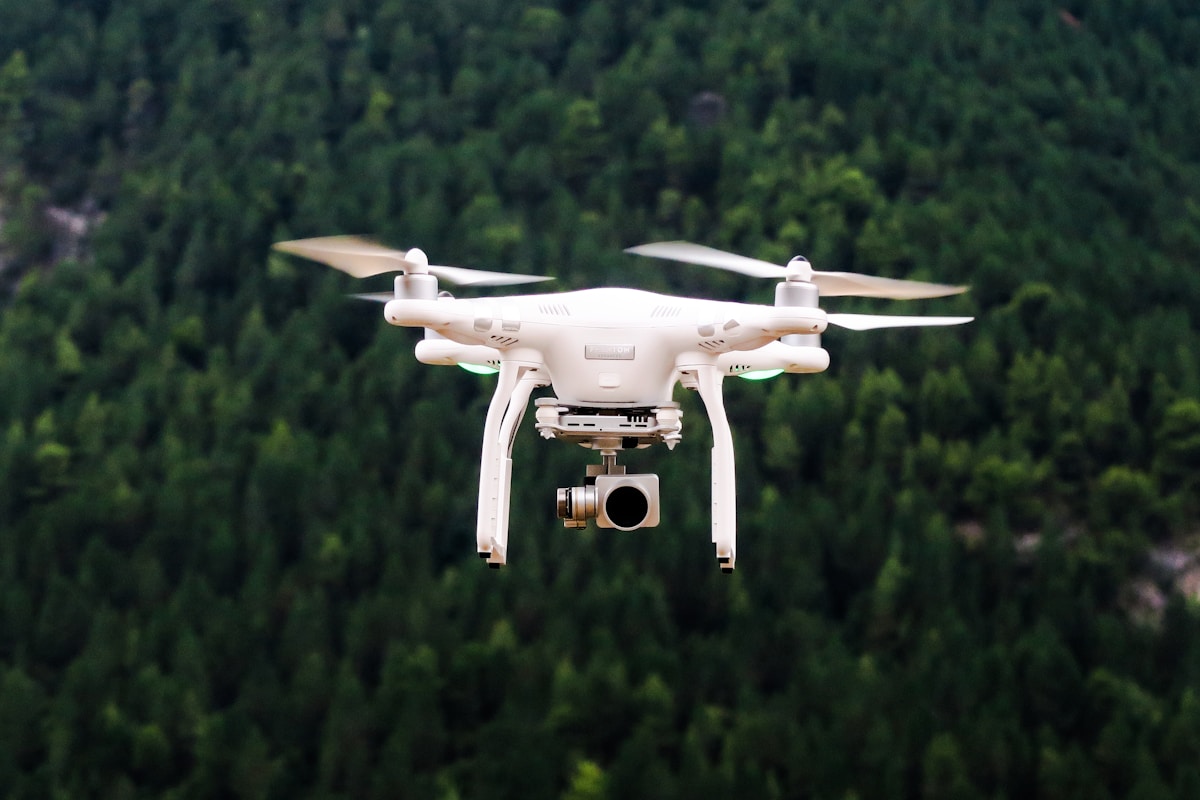
FPV drones have emerged as game-changing weapons in Ukraine's defense, offering precision strike capabilities at a fraction of traditional munitions' cost. Ukrainian forces have pioneered tactics using commercially-available drones modified with explosives to target Russian vehicles, positions, and personnel. The videos showing successful strikes—with those characteristic "mustache" rods visible at the frame edges—have become iconic imagery of Ukrainian tactical innovation.
But behind each successful strike lies a supply chain of volunteers like B50 Frontier, producing unglamorous but essential components. All funds go toward printing plastic, springs, and fasteners—the mundane materials that enable high-tech warfare.
"The requests from the military are always 'we need a lot,'" the volunteers note, highlighting the constant demand. As long as donations continue, their 3D printers keep running, churning out the simple contact switches that determine whether Ukrainian drones successfully strike their targets.
The distributed volunteer manufacturing model offers lessons beyond Ukraine. In modern warfare, defense production increasingly includes crowdfunded, small-batch manufacturing of specialized components by civilian volunteers with technical skills. The B50 community accepts donations via PayPal, a funding mechanism that would have seemed absurd in traditional military procurement but proves effective for rapid, small-scale production.
For Ukrainian drone pilots operating at the front, the reliable detonators represent more than just technical components—they're tangible evidence of civilian support, the knowledge that volunteers across Ukraine and abroad are working to keep them safe and their strikes effective. That connection between frontline operators and rear-area supporters sustains morale as much as it sustains operations.